BAFTA just dropped a fascinating documentary called ‘Immersion, Story and Henry’s Well Worn Shoes – The Making of Kingdom Come: Deliverance II,’ and it’s giving us a rare glimpse into what makes this medieval RPG so special. But the real star of the show might just be a pair of completely destroyed shoes that voice actor Tom McKay refuses to replace.
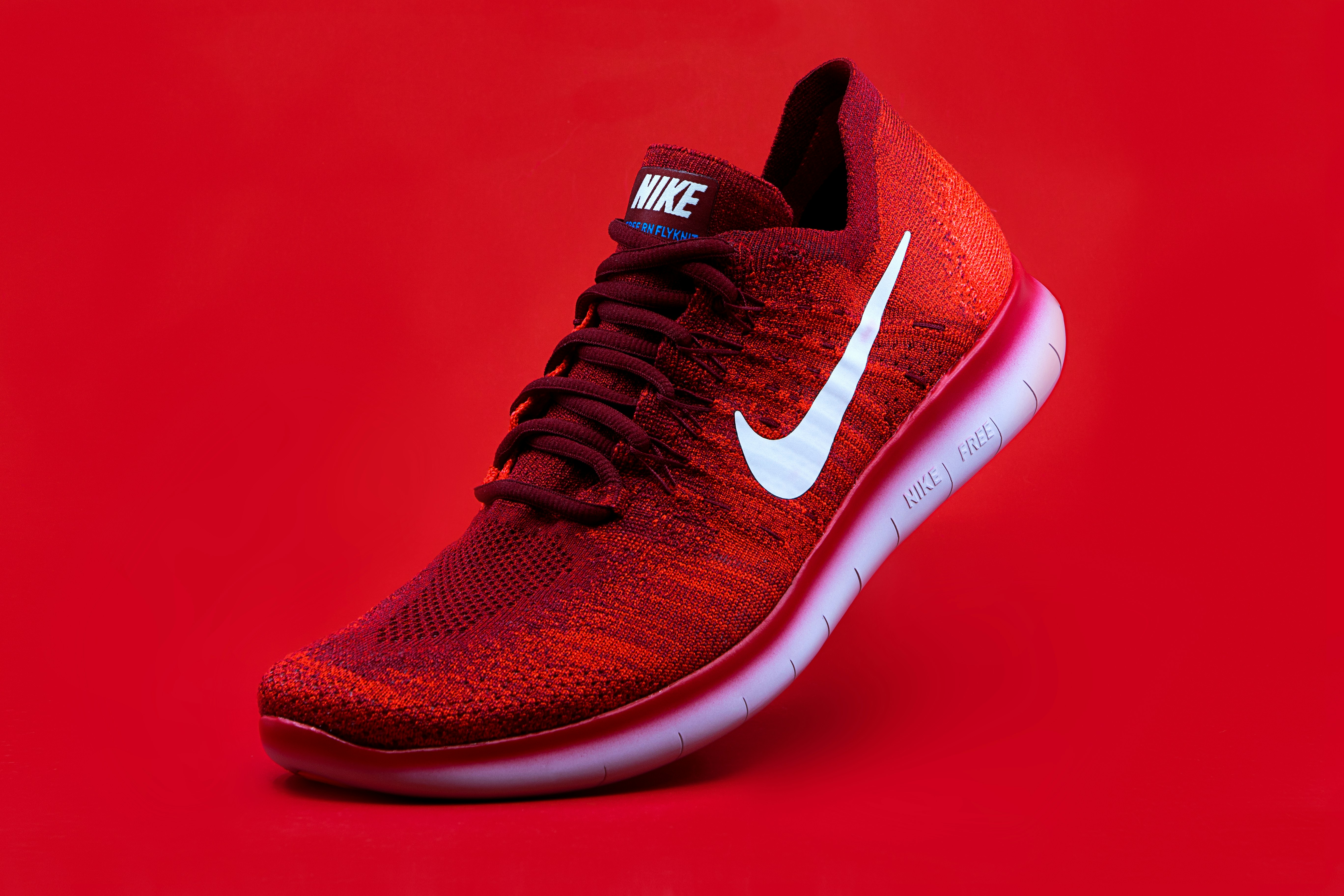
The Shoes That Became Part of Henry
Tom McKay, who voices and performs motion capture for the protagonist Henry of Skalitz, has been wearing the same pair of shoes in the mocap studio since the first Kingdom Come: Deliverance. We’re talking years of use here. These aren’t fancy performance shoes or specialized mocap gear. They’re what he calls his ‘little Sailor shoes,’ and they’re completely falling apart.
When Warhorse Studios offered him a nice new pair of grey shoes for Kingdom Come: Deliverance II, McKay turned them down flat. ‘No, I don’t. I want these guys,’ he told them. His reasoning is simple but kind of profound – the worn-out shoes are Henry. As McKay puts it, there’s something very Henry about keeping old, knackered shoes instead of getting a fancy new pair.
Behind the Scenes at Warhorse Studios
The BAFTA documentary, released on November 13, 2025, takes viewers inside the Prague-based Warhorse Studios to show how they created the immersive medieval world of Kingdom Come: Deliverance II. The game launched on February 4, 2025, for PlayStation 5, Windows, and Xbox Series X/S, and has already sold two million copies within two weeks of release.
What makes this documentary special is how it focuses on the human elements of game development. Sure, there’s talk about historical accuracy and gameplay mechanics, but it’s the stories like McKay’s shoes that reveal the passion behind the project. McKay describes finding a ‘sneaky corner’ in the studio where he used to discover Henry’s character, calling it ‘the inside of Henry’s head.’

The Reality of Motion Capture
The documentary also reveals some hilarious behind-the-scenes moments from the mocap sessions. McKay describes what it’s really like: ‘a group of grown ups dressed head to toe in Lycra, like covered in dots, pretending to be living 500 to 600 years ago.’ That’s pretty funny when you think about it.
But there were technical challenges too. The velcro dots that track movement would sometimes come off during intense scenes, particularly combat sequences where there’s physical contact between actors. McKay mentions this happened a lot more in the first game, and apparently it was especially problematic during ‘scenes of intimacy’ where you’d lose body parts – the tracked ones, to be clear.
Why Immersion Matters in Kingdom Come
The focus on immersion isn’t just marketing talk for Warhorse Studios. Kingdom Come: Deliverance II is built around the idea of dropping players into a historically authentic medieval Bohemia. There are no fantasy elements, no dragons, no magic. Just you, as Henry, navigating the political and social complexities of 15th century Central Europe.
This commitment to authenticity extends to every detail. The game famously includes realistic systems for hunger, sleep, and even how dirty your clothes are. NPCs react differently based on your appearance and reputation. Combat feels weighty and challenging, not like the typical action RPG button-mashing. It’s this attention to detail that makes McKay’s shoe story resonate – everyone involved cares about the authenticity of what they’re creating.

The Latest DLC and Updates
Speaking of ongoing development, Warhorse Studios just announced the third and final story expansion for Kingdom Come: Deliverance II. Called Mysteria Ecclesiae, it launched on November 11, 2025, and takes Henry to the Sedletz Monastery to investigate a deadly disease.
This DLC is described as going back to what Warhorse does best – story-heavy content in a new location with choices, consequences, and secrets to uncover. Players join Henry as he assists Sigismund Albicus, a renowned healer with ties to King Wenceslas, investigating a mysterious plague. The monastery itself is massive, with the developers creating special interior map views because you’ll spend so much time exploring inside.
What Makes This Documentary Worth Watching
The BAFTA documentary doesn’t just focus on the technical achievements of Kingdom Come: Deliverance II. It’s about the people who made it and why they care so much about what they’re creating. Tom McKay’s relationship with his worn-out shoes is a perfect metaphor for the entire project – sometimes the imperfect, beaten-up, authentic thing is better than the shiny new replacement.
The documentary also covers how Warhorse Studios built their reputation on historical accuracy and player immersion. For a studio based in Prague creating games about Czech history, there’s a personal connection to the material that shows in every frame. This isn’t some massive AAA studio churning out sequels – it’s a team that genuinely loves what they’re making.
The Voice Actor Who Gets Hungry
One amusing detail that came out of the BAFTA coverage is that Tom McKay apparently gets quite hungry during voice-over sessions. BAFTA’s Instagram even posted about it, noting that he ‘DOES get quite hungry in the voice over booth.’ It’s these little human moments that make the documentary feel less like a corporate promotional piece and more like a genuine look at creative people doing creative work.
McKay’s performance as Henry has been crucial to both games’ success. He’s not playing a blank-slate character that players project onto. Henry has a personality, a backstory, and a specific place in the world. McKay’s worn shoes might seem like a silly detail, but they represent his commitment to understanding and embodying that character consistently across years of development.
FAQs
What is the BAFTA Kingdom Come: Deliverance II documentary about?
It’s a behind-the-scenes retrospective titled ‘Immersion, Story and Henry’s Well Worn Shoes’ that explores how Warhorse Studios created the immersive medieval world of Kingdom Come: Deliverance II, featuring interviews with developers and voice actor Tom McKay.
Who voices Henry in Kingdom Come: Deliverance?
Tom McKay provides both the voice acting and motion capture performance for Henry of Skalitz, the protagonist of both Kingdom Come: Deliverance games.
Why are Tom McKay’s shoes significant?
McKay has worn the same pair of shoes for motion capture sessions across both games, refusing to replace them even when offered new ones. He feels the worn-out shoes embody Henry’s character – practical and unwilling to replace something that still works.
When did Kingdom Come: Deliverance II release?
The game launched on February 4, 2025, for PlayStation 5, Windows, and Xbox Series X/S. It sold two million copies within two weeks of release.
What is the latest DLC for Kingdom Come: Deliverance II?
Mysteria Ecclesiae, the third and final story expansion, released on November 11, 2025. It takes place in the Sedletz Monastery where Henry investigates a mysterious plague.
Where is Warhorse Studios based?
Warhorse Studios is based in Prague, Czech Republic. The Kingdom Come games are set in medieval Bohemia, which is part of the modern-day Czech Republic.
What makes Kingdom Come: Deliverance different from other RPGs?
The series focuses on historical authenticity rather than fantasy elements. There’s no magic or dragons – just realistic medieval combat, survival systems, and a story grounded in actual historical events from 15th century Central Europe.
Conclusion
The BAFTA documentary about Kingdom Come: Deliverance II shows us something we don’t always see in game development coverage – the human side of creation. Tom McKay’s stubborn attachment to his falling-apart shoes might seem quirky, but it perfectly captures what makes this series special. It’s made by people who care deeply about authenticity, immersion, and creating something meaningful. Whether you’re a longtime fan or just curious about what goes into making a historically accurate medieval RPG, this documentary offers a genuine look at passionate developers doing what they love. And sometimes, that passion comes in the form of refusing to throw away a perfectly good (if completely destroyed) pair of shoes.