If you’re sitting on the fence about upgrading your graphics card, you’ll need more patience than expected. Fresh leaks suggest NVIDIA’s RTX 60 series won’t hit store shelves until early 2027, pushing the next major GPU generation further out than many gamers hoped.
The information comes from prominent hardware leaker Moore’s Law Is Dead, who cited AMD internal documents related to their competing RDNA 5 architecture. According to the leak, NVIDIA plans to launch the flagship RTX 6090 sometime in the first quarter of 2027, though that window could stretch into mid-year depending on production timelines.
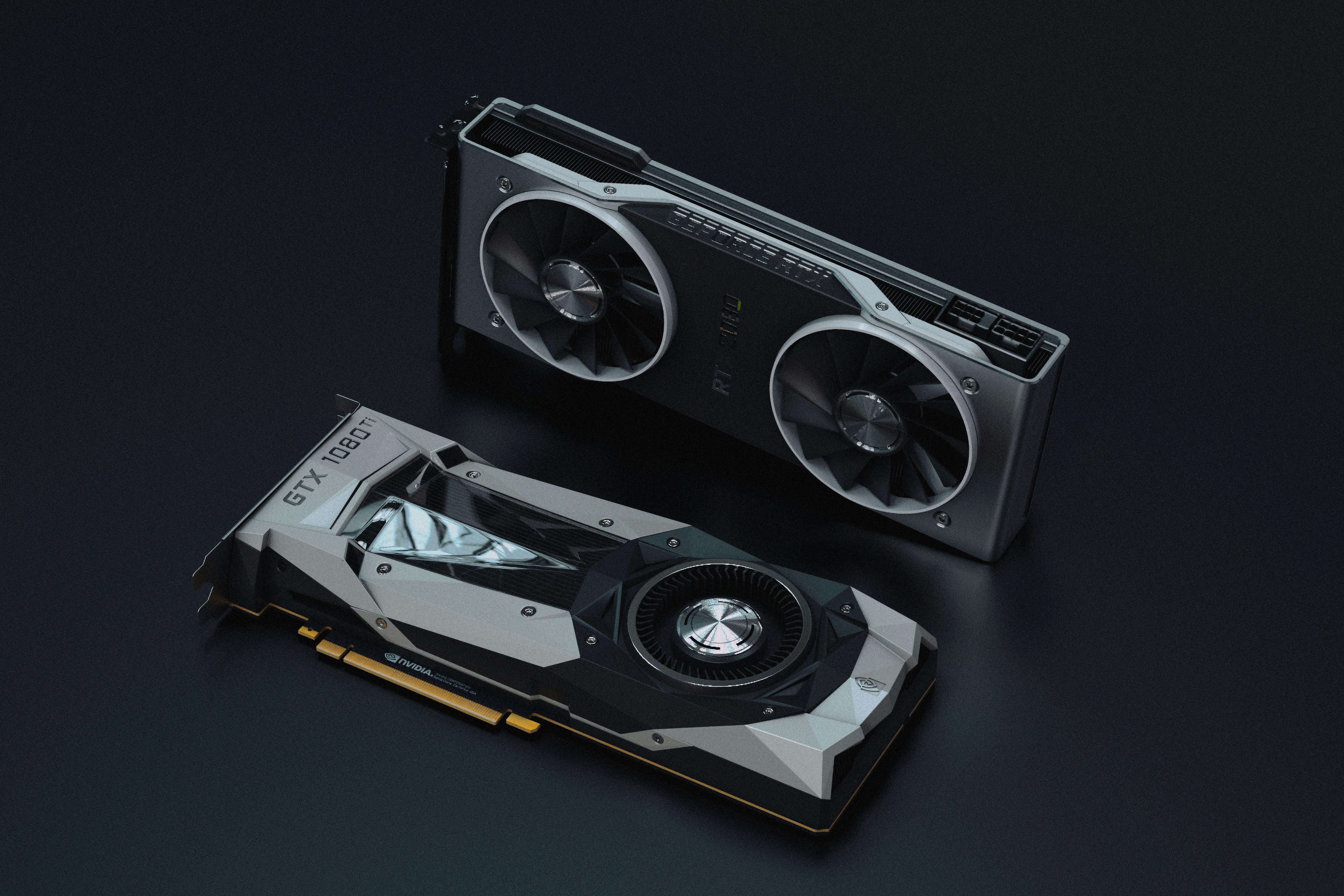
The Rubin Architecture Promise
The RTX 60 series will be built on NVIDIA’s new Rubin architecture, named after astronomer Vera Rubin who proved the existence of dark matter. This represents a significant leap from the current Blackwell architecture powering the RTX 50 series expected in 2025.
Rubin GPUs will reportedly use a 4x reticle design, stepping up from Blackwell’s 3.3x configuration. While that falls short of TSMC’s planned 5.5x capability by 2026, it still represents meaningful progress in chip density and efficiency. The architecture will utilize the same Chip-On-Wafer-On-Substrate-L technology as Blackwell, suggesting NVIDIA is refining rather than revolutionizing its manufacturing approach.
Production of the Rubin architecture is expected to begin in late 2025 for data center applications first, with consumer gaming cards following in 2027. This staggered rollout mirrors NVIDIA’s typical strategy of prioritizing their more profitable enterprise market before bringing new tech to gamers.
What About GDDR7 Memory?
One of the most exciting aspects of the RTX 60 series is the expected adoption of GDDR7 memory. By early 2027, production of 24Gb GDDR7 chips should be mature enough for widespread use. Speculation suggests the RTX 6090 could feature 12GB of GDDR7 using four memory chips, though higher-tier configurations aren’t off the table.
The jump to GDDR7 promises substantial bandwidth improvements over current GDDR6X technology. For gamers, that translates to better performance at higher resolutions and improved handling of memory-intensive tasks like ray tracing and AI-enhanced features.
The Upgrade Roadmap Just Got Longer
NVIDIA’s projected release schedule now stretches across multiple years. The RTX 5000 series is slated for 2025, followed by a RTX 50 Super refresh in early 2026, and finally the RTX 6000 series in early 2027. That’s a three-year span between the current RTX 40 series launch and the next major architectural jump.
This extended timeline has implications for upgrade planning. If you bought an RTX 4090 in 2022, you’re looking at potentially five years before the next flagship-tier leap. For most users, that’s actually fine. Modern high-end GPUs have enough horsepower to handle current games at max settings for years to come.
The slower cadence also suggests NVIDIA isn’t feeling much competitive pressure. With AMD reportedly focusing on mid-range and budget segments for RDNA 4, NVIDIA can take its time perfecting Rubin without worrying about losing market share at the top end.
Should You Wait or Buy Now?
The answer depends entirely on your current situation. If you’re gaming on a GPU from 2020 or earlier, waiting until 2027 probably doesn’t make sense. The RTX 5000 series launching in 2025 will offer significant performance gains and should be your target.
But if you’re running something like an RTX 4070 or better, holding out for the RTX 60 series becomes more reasonable. You’ve got enough performance to tide you over, and the architectural improvements plus GDDR7 memory could deliver the kind of generational leap that makes waiting worthwhile.

There’s also the pricing consideration. Early adopters always pay a premium, and the RTX 6090 will likely launch at an eye-watering price point. If you wait six months after launch, you might snag significantly better value or pick up a discounted RTX 5000 series card that’s still incredibly capable.
AMD’s Counter Move
NVIDIA isn’t operating in a vacuum. AMD is working on RDNA 5, which will debut around the same timeframe as the RTX 60 series. RDNA 5 is expected to be AMD’s UDNA architecture, combining their gaming RDNA and compute CDNA technologies into a unified platform designed to better compete with NVIDIA’s CUDA ecosystem.
The timing of these competing launches will be crucial. If AMD manages to release competitive performance at lower price points, it could force NVIDIA to adjust their pricing strategy. That would be a win for consumers, though AMD’s recent retreat from the ultra-premium GPU segment suggests they might not directly challenge the RTX 6090.
The Leaker’s Track Record
It’s worth noting that Moore’s Law Is Dead has a mixed track record with GPU predictions. Some leaks prove accurate, others miss the mark. The claim that this information comes from AMD internal documents lends credibility, but until NVIDIA makes official announcements, treat all of this as educated speculation rather than confirmed fact.
More concrete information about the RTX 60 series should surface by mid-2026 as production ramps up and more industry insiders get access to specifications. Until then, expect the rumor mill to keep churning with increasingly detailed leaks.
FAQs
When exactly will the NVIDIA RTX 60 series launch?
Current leaks point to early 2027 for the RTX 6090 flagship, potentially in Q1 though the window could extend into mid-2027. The full RTX 60 series lineup would follow throughout 2027. Nothing is officially confirmed by NVIDIA yet.
What architecture will the RTX 60 series use?
The RTX 60 series will be based on NVIDIA’s Rubin architecture, named after astronomer Vera Rubin. It will feature a 4x reticle design and use Chip-On-Wafer-On-Substrate-L technology, representing an evolution from the Blackwell architecture in the RTX 50 series.
Will RTX 60 series cards use GDDR7 memory?
Yes, the RTX 60 series is expected to adopt GDDR7 memory. By early 2027, production of 24Gb GDDR7 chips should be mature enough for implementation. Early speculation suggests the RTX 6090 could feature 12GB of GDDR7 memory.
Should I wait for RTX 60 series or buy RTX 50 series?
It depends on your current GPU. If you’re using older hardware from 2020 or earlier, waiting until 2027 doesn’t make sense. The RTX 5000 series in 2025 would be a better upgrade target. If you already have RTX 4070 or better, you can reasonably wait for the bigger architectural leap in 2027.
How reliable are these RTX 60 series leaks?
The information comes from Moore’s Law Is Dead, citing AMD internal documents. While this leaker has provided accurate information in the past, they’ve also missed on some predictions. Treat this as credible speculation rather than confirmed fact until NVIDIA makes official announcements.
What about the RTX 50 Super series?
NVIDIA is expected to launch a RTX 50 Super refresh in early 2026, positioned between the standard RTX 5000 series in 2025 and the RTX 6000 series in 2027. These cards typically offer modest performance improvements at similar price points to the original models.
Will AMD compete with the RTX 60 series?
AMD is developing RDNA 5 for a similar 2027 timeframe. This will reportedly be their unified UDNA architecture combining gaming and compute technologies. However, AMD has backed away from ultra-premium GPUs recently, so they may not directly challenge the RTX 6090 flagship.
Looking Ahead
The extended wait for RTX 60 series might frustrate enthusiasts eager for cutting-edge hardware, but it reflects the reality of modern chip development. We’re reaching the physical limits of what’s possible with current manufacturing processes, and each generational leap requires more time and engineering effort.
For most gamers, this slower pace is actually beneficial. Your current hardware stays relevant longer, and you’re not pressured to upgrade every year or two just to keep up. The RTX 40 series cards released in 2022 will remain highly capable through 2027 and beyond.
When the RTX 60 series finally arrives, expect it to bring meaningful improvements in ray tracing performance, AI capabilities, and power efficiency. The combination of Rubin architecture and GDDR7 memory should deliver the kind of generational leap that makes the wait feel worthwhile for those who hold out.