If you’ve been eyeing a new graphics card for your gaming setup, you might want to pull the trigger sooner rather than later. AMD has reportedly notified its partners about an incoming price hike across its entire GPU lineup, and this time, the cost isn’t getting absorbed by manufacturers. It’s coming straight to consumers.
The culprit? Skyrocketing memory prices fueled by an insatiable AI industry that’s gobbling up DRAM faster than manufacturers can produce it. What started as a small price adjustment in October has now snowballed into a much bigger problem that could see graphics cards become 20% more expensive by 2026.
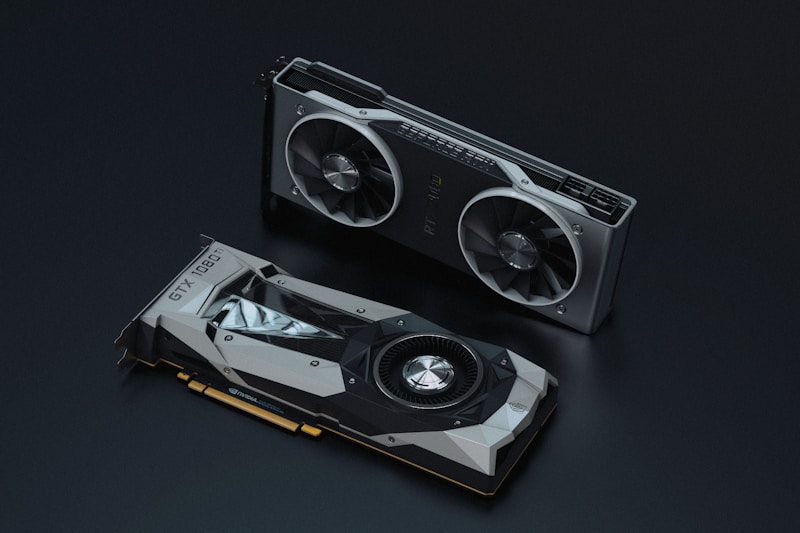
Why Memory Costs Are Going Through the Roof
The memory shortage isn’t some random supply chain hiccup. It’s a direct result of the AI boom that’s been dominating tech headlines for the past year. Companies like OpenAI, data centers, and AI startups are buying up DRAM and GDDR memory in massive quantities, creating unprecedented demand that traditional memory manufacturers like Samsung, Micron, and SK Hynix simply can’t keep up with.
Memory prices have more than doubled from their all-time lows, and analysts at TrendForce don’t expect relief anytime soon. Production capacity can’t be ramped up overnight, which means prices will likely continue climbing through 2026. For gaming GPUs, where graphics memory accounts for a significant chunk of production costs, this creates a perfect storm.
AMD Already Raised Prices Once
Here’s the thing that makes this situation more concerning. AMD already implemented a small price increase back in October, but that one was quietly absorbed by the company and its board partners. Gamers didn’t really feel the pinch. But according to leaked internal memos circulating on Chinese tech forums like Board Channels, the next increase won’t be so subtle.
The upcoming price hike will affect all AMD GPU models, from budget Radeon cards all the way up to workstation and AI-focused GPUs. While exact numbers and dates haven’t been officially confirmed, some reports suggest increases could reach 10-20% depending on the model. That could mean paying $50 to $100 more for the same card you can buy today.
NVIDIA Isn’t Off the Hook Either
Before AMD fans start thinking about jumping ship to Team Green, there’s bad news on that front too. NVIDIA is reportedly planning similar price increases for early 2026. In fact, the company has already scrapped its entire GeForce RTX 5000 Super series because the planned 50% memory increase would have made those cards too expensive to remain competitive.
Both companies are also expected to scale back or potentially discontinue their budget and mid-range GPU offerings. When memory costs eat into margins this aggressively, low-priced graphics cards simply stop being profitable. TrendForce analysts predict the GPU market will increasingly focus on higher-priced premium products next year.
What This Means for Console Gaming
PC gamers aren’t the only ones who should be concerned. AMD supplies custom chips for both PlayStation and Xbox consoles, and rising component costs don’t discriminate. Sony already raised PS5 prices citing economic pressures, pushing the base console from its $399 launch price to $499. With AMD’s GPU costs climbing again, there’s speculation that console prices could see another bump before the next generation launches.
Future consoles like the rumored PS6 or next-gen Xbox systems that rely on AMD hardware might also launch at higher price points than their predecessors, fundamentally changing the value proposition that’s traditionally made console gaming more affordable than PC gaming.

Should You Buy a GPU Right Now?
PowerColor, one of AMD’s official board partners, broke the usual corporate silence and basically told gamers to buy now if they’re in the market. Their Reddit post wasn’t pushing specific sales or deals but read more like a genuine warning about what’s coming down the pipeline.
Black Friday deals are already seeing some GPUs drop below MSRP for the first time in recent memory. Cards like the Radeon RX 9070 XT, which launched at $599, have started hitting that price point after months of inflated street prices. If you’ve been waiting for the right moment to upgrade, this might be it.
The gaming GPU market has been through a lot in recent years – cryptocurrency mining booms, pandemic supply shortages, and now AI-driven memory crunches. Each time, we keep hoping things will return to normal. But with memory manufacturers struggling to meet AI demand and GPU makers having no choice but to pass costs along to consumers, normal feels further away than ever.
The Bottom Line
AMD’s upcoming GPU price increases are symptomatic of a larger shift in the tech industry. As AI continues to dominate demand for high-performance components, gaming hardware is increasingly competing for scraps of production capacity. The next 12-18 months could fundamentally reshape what gamers expect to pay for graphics cards.
If you’re running older hardware and have been considering an upgrade, the window to buy at current prices is closing fast. Once manufacturers implement these new price tiers and clear out existing inventory, there’s no guarantee prices will come back down anytime soon. The AI boom shows no signs of slowing, and neither does its impact on gaming hardware costs.
Frequently Asked Questions
When will AMD GPU prices increase?
While AMD hasn’t announced an official date, leaked reports suggest the price increase will affect the next shipment of GPUs to board partners. Most analysts expect consumers to see higher prices in early 2026, though some increases may start appearing before the end of 2025 as current inventory sells out.
How much will AMD GPU prices go up?
Estimates vary, but reports suggest price increases between 10-20% depending on the GPU model. For mid-range cards, this could mean paying an additional $50-$100. Higher-end models with more memory could see even larger increases since memory costs are the primary driver of the price hike.
Will NVIDIA GPUs also get more expensive?
Yes, NVIDIA is facing the same memory cost pressures and is reportedly planning similar price increases for early 2026. The company has already canceled its RTX 5000 Super series due to memory cost concerns, and industry analysts expect both AMD and NVIDIA to raise prices across their product lines.
Why are GPU memory prices increasing so much?
The primary driver is overwhelming demand from the AI industry. Companies building AI systems and data centers are purchasing DRAM and GDDR memory in massive quantities. Memory manufacturers like Samsung, Micron, and SK Hynix can’t expand production capacity quickly enough to meet this demand, causing prices to more than double from previous lows.
Should I buy a GPU now or wait for next generation?
If you need a GPU and have the budget, buying now makes sense before price increases take effect. Current Black Friday deals are offering some cards at or below MSRP for the first time in months. However, if you can wait and don’t mind paying premium prices, next-generation cards will offer better performance – just at significantly higher price points.
Will budget GPUs still be available in 2026?
There’s growing concern that budget and entry-level GPUs may be scaled back or discontinued entirely. When memory costs spike, lower-priced graphics cards become unprofitable for manufacturers. Industry analysts predict the market will increasingly focus on premium, higher-margin products, potentially leaving budget-conscious gamers with fewer options.
Could GPU prices come back down after 2026?
It depends on when memory manufacturers can expand production capacity to meet AI demand. If additional fabrication plants come online and memory supply catches up with demand, prices could stabilize or decrease. However, if AI demand continues growing faster than supply can expand, elevated prices may become the new normal for the foreseeable future.
Final Thoughts
The gaming hardware landscape is changing rapidly, and not necessarily in gamers’ favor. While we can’t control global memory markets or AI industry demand, we can make informed decisions about when to upgrade. If a new GPU is in your plans and your budget allows it, acting sooner rather than later could save you a significant amount of money. The golden age of affordable graphics cards may be coming to an end, at least temporarily, as the tech industry’s priorities shift toward feeding the AI machine.