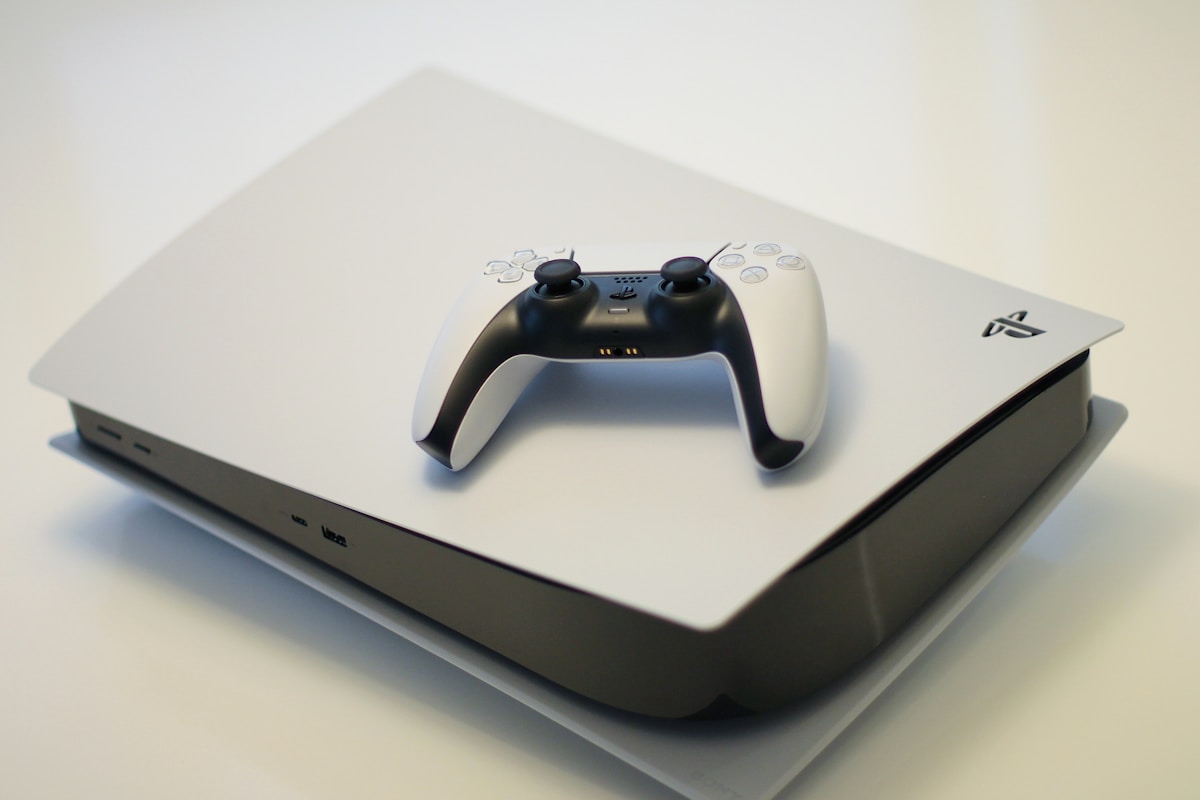
Sony is making some interesting moves behind the scenes, and according to tech leaker Moore’s Law Is Dead, the company is aggressively pushing developers to adopt low-power modes for PS5 games. The reason? It looks like groundwork for a PS6 handheld that could arrive alongside the PlayStation 6 in 2027. One developer recently shared that they received emails from Sony this week strongly advocating for low-power mode integration, complete with detailed guides and recommendations.
What Sony Wants From Developers
The developer correspondence reveals two key priorities that Sony is emphasizing. First, developers should avoid the lazy solution of simply reducing frame rates to comply with low-power mode requirements. Instead, Sony wants games to maintain 60 FPS performance by adjusting resolution downward. Second, Sony provided comprehensive walkthroughs for Razor CPU, a utility designed for PS5 development that helps identify CPU bottlenecks, lower CPU consumption, and minimize the number of threads games utilize.
According to the leaked information, Sony seems somewhat frustrated that developers haven’t embraced low-power mode support more directly at this stage. The company is treating this as a strategic priority rather than an optional feature, suggesting they need widespread developer buy-in before a handheld device launches.
The PS6 Handheld Strategy
Moore’s Law Is Dead believes Sony is laying the foundation for PS6 handheld support well before the device hits the market. The handheld is expected to feature machine learning-based upscaling technology, which would allow it to deliver quality visuals at lower power consumption. The math works in Sony’s favor here: 1080p at 60 frames per second requires only one-eighth of the power needed for 4K at 120 frames per second, since 4K resolution is four times that of 1080p, and 120 frames is double that of 60.
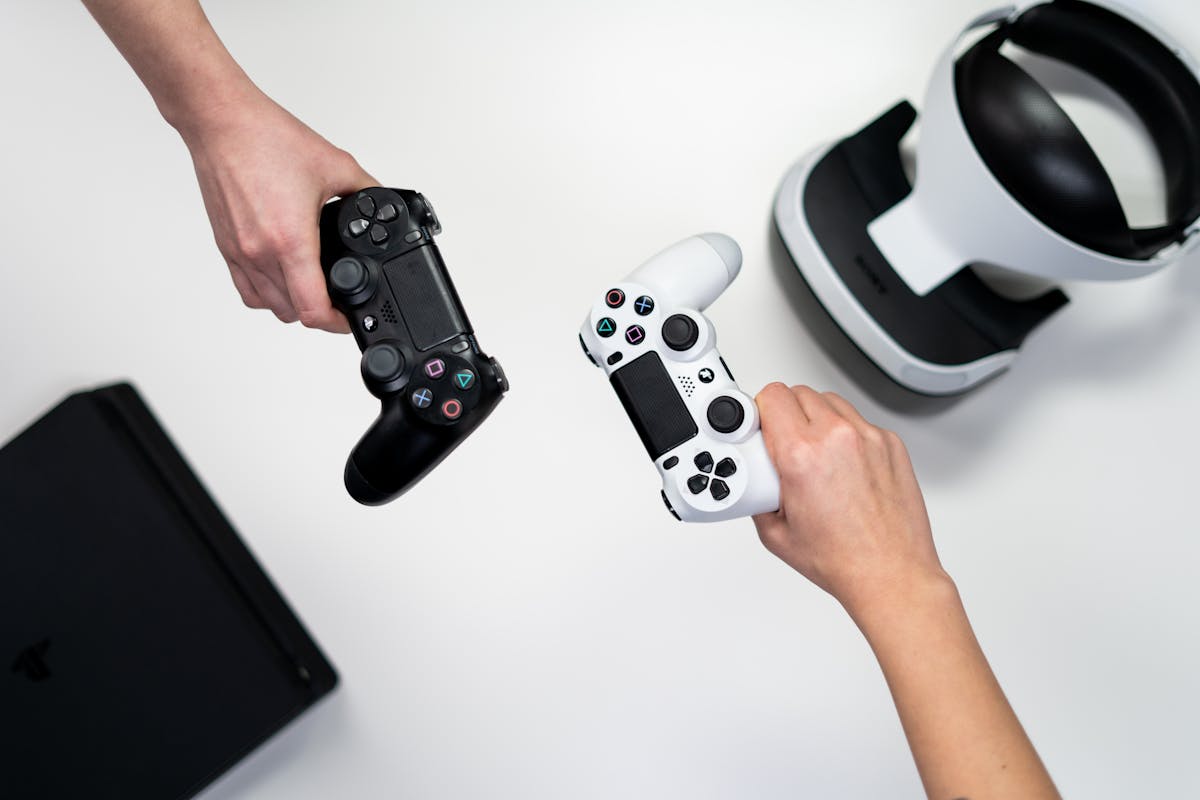
The timing aligns with previous leaks about PS6 production. Moore’s Law Is Dead has consistently claimed that Sony and AMD are working toward manufacturing the PS6 in mid-2027, with a launch for both the console and handheld around fall 2027. Early price targets place the handheld in the $399 to $499 range, though these figures are preliminary models rather than final pricing. The device is rumored to be dockable, similar to the Nintendo Switch, and will likely feature AMD RDNA 5 graphics with backward compatibility for PS4 and PS5 titles.
Power Consumption and Performance Balance
Sony has been focused on energy efficiency for years, but this low-power push represents something different. The PS5 Pro already demonstrated impressive efficiency, consuming only slightly more power than the base PS5 despite delivering significantly better performance. Testing showed the Pro using around 228 to 230 watts during gaming, compared to 215 to 218 watts for the standard PS5, representing just a 5.5% increase in power consumption for up to 35% faster performance in some titles.
This new low-power mode would represent a third performance profile for PS5 and PS5 Pro, sitting alongside the existing base mode and trinity mode. While not currently mandatory, insiders suggest Sony may eventually require developers to support it. The mode is designed to let the console use 10%, 20%, or even 30% less electricity while still delivering around 90% of standard performance, though it won’t support PSSR upscaling or VR functionality.

What This Means for Gaming
If Sony successfully gets developers on board with these optimization techniques, it could benefit everyone. Console players would get more energy-efficient gaming options, handheld players would get better battery life with maintained performance, and developers would have clearer guidelines for optimization across multiple device types. However, the leaked developer correspondence suggests not everyone is thrilled about the extra work involved, especially since the handheld itself won’t launch for potentially two more years.
The PS6 handheld would represent Sony’s return to the portable gaming market after the PlayStation Vita struggled and was eventually discontinued. The company currently offers PlayStation Portal, which streams games from a PS5 rather than running them natively, but a true handheld that can play games independently would be a significant shift in strategy. With manufacturing starting in early to mid-2027 and a likely fall 2027 launch window, Sony appears committed to competing with Nintendo’s Switch successor and Valve’s Steam Deck in the portable gaming space.
FAQs
What is the PS5 low-power mode Sony is pushing?
It’s a new performance profile for PS5 and PS5 Pro that reduces power consumption by 10% to 30% while maintaining around 90% of standard performance. Sony wants developers to achieve this by lowering resolution while maintaining 60 FPS rather than simply reducing frame rates.
When will the PS6 handheld be released?
According to leaks from Moore’s Law Is Dead, Sony plans to begin manufacturing the PS6 and PS6 handheld in mid-2027, with a launch expected around fall 2027. However, Sony has not officially confirmed these plans.
How much will the PS6 handheld cost?
Early price targets place the PS6 handheld between $399 and $499, though these are preliminary estimates and not final retail pricing. The actual cost could change before launch.
Will the PS6 handheld be dockable like the Nintendo Switch?
Rumors suggest yes. The PS6 handheld is expected to feature TV dock support, allowing players to connect it to a television for bigger screen gaming, similar to the Nintendo Switch hybrid model.
What games will the PS6 handheld play?
The handheld is expected to have backward compatibility with PlayStation 4 and PlayStation 5 titles. It will also play native PS6 games, and may feature machine learning-based upscaling to improve visual quality while conserving power.
Why is Sony asking developers to support low-power mode now?
Sony appears to be preparing the development ecosystem in advance of the PS6 handheld launch. By getting developers to optimize games for low-power operation now, Sony ensures there will be a robust library of compatible games when the handheld device releases.
How does low-power mode affect game performance?
According to Sony’s guidance, low-power mode should maintain 60 FPS gameplay by reducing resolution rather than cutting frame rates. The goal is to deliver around 90% of standard performance while using significantly less electricity, which is critical for battery life on a handheld device.
Conclusion
Sony’s behind-the-scenes push for low-power mode adoption reveals a company thinking several moves ahead. By establishing these optimization standards now, Sony is building the infrastructure for a PS6 handheld that could finally give PlayStation a competitive portable gaming option. The approach makes sense from an engineering perspective, using resolution scaling and machine learning upscaling to deliver quality experiences without destroying battery life. Whether developers will embrace these requirements enthusiastically or grudgingly remains to be seen, but Sony clearly isn’t treating this as optional. If the 2027 timeline holds, we’re less than two years away from seeing whether Sony’s portable gaming gamble pays off. For now, PS5 owners might start seeing more games with power-saving options as developers respond to Sony’s increasingly insistent requests.