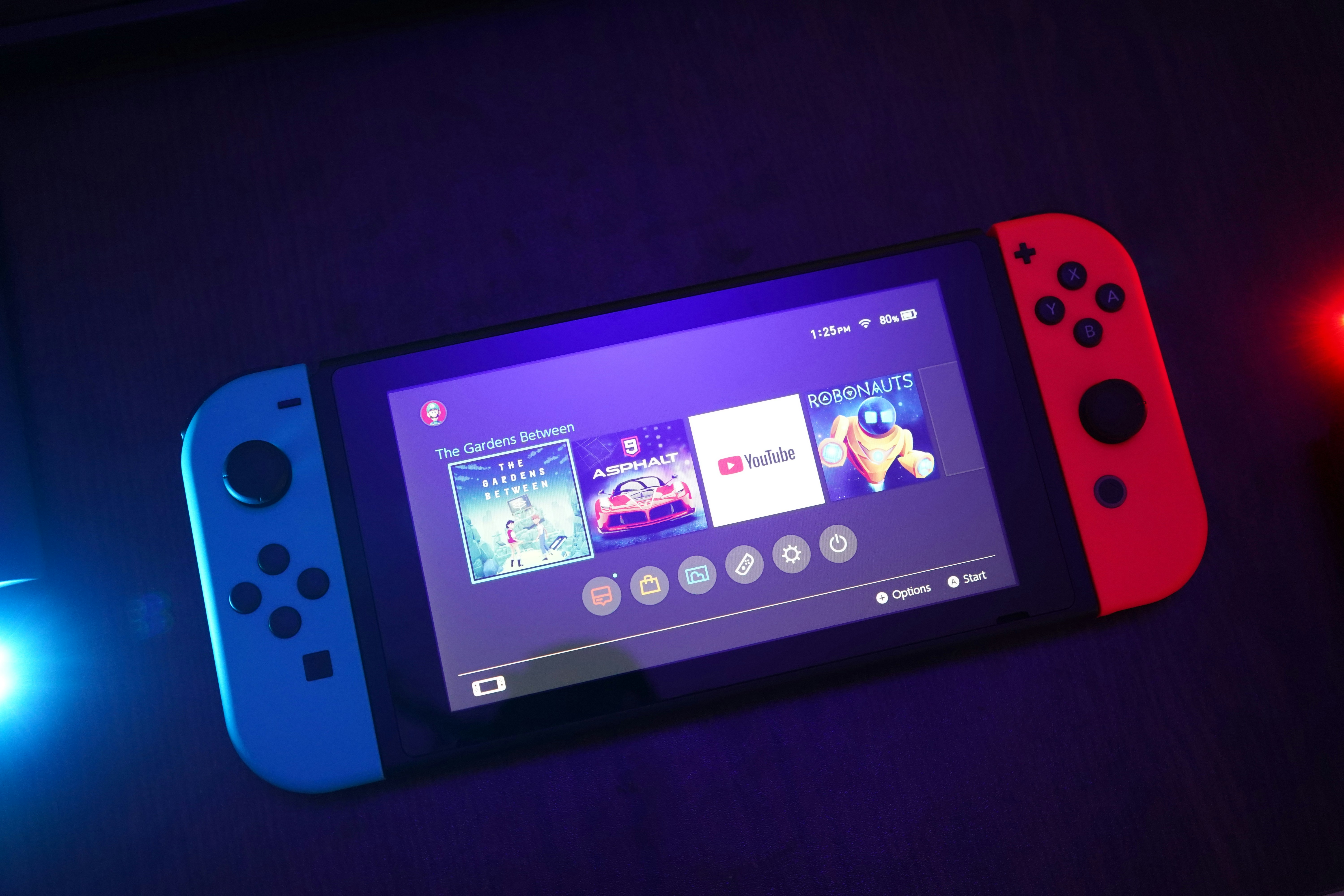
The Nintendo Switch 2 achieved a remarkable milestone in Japan, surpassing 3.17 million units sold after just 27 weeks on the market according to sales data tracked by industry analysts. This December 2025 achievement makes the Switch 2 the best-selling console in Japanese history at the 27-week mark, narrowly edging out the Game Boy Advance at 3.171 million and the PlayStation 2 at 3.112 million units. Perhaps most impressively, the Switch 2 has sold more than double what the original Nintendo Switch managed during the same timeframe, cementing Nintendo’s dominance in its home market and signaling the hybrid console’s momentum shows no signs of slowing as it heads into the holiday season.
- Breaking Down the Numbers
- Launch Week Domination
- First Month Sales Record
- Global Context and Comparisons
- Why Japan Matters Disproportionately
- Mario Kart World Driving Sales
- Supply Constraints and Future Outlook
- Third-Party Software Challenges
- Historical Context and Records
- Frequently Asked Questions
- The Bottom Line
Breaking Down the Numbers
Sales tracking from Twitter/X user pierre485_, who closely follows Japanese video game sales data, revealed the Switch 2 reached 3.172 million units sold in Japan after 27 weeks of availability. This specific milestone matters because it allows direct comparison with other consoles at the same point in their lifecycles, eliminating variables like longer sales periods or holiday timing differences that can skew raw numbers.
The Game Boy Advance, which held the previous record for this timeframe, sold 3.171 million units in its first 27 weeks. The Switch 2 beat that mark by just 1,000 units, an incredibly narrow margin that demonstrates how competitive Nintendo’s own hardware has been historically. The PS2, often considered one of gaming’s greatest success stories, sold 3.112 million units in Japan during its first 27 weeks, putting it 60,000 units behind the Switch 2’s performance.
The original Nintendo Switch, which went on to become Japan’s best-selling gaming platform ever with over 33 million lifetime sales in the country, sold only 1.598 million units during its first 27 weeks. The Switch 2’s 3.172 million represents nearly double that figure, suggesting the successor could potentially reach even higher lifetime totals if it maintains proportional momentum throughout its lifecycle.
Launch Week Domination
The Switch 2’s success in Japan started explosively from day one. Famitsu reported the console sold 947,931 units during its first four days following the June 5, 2025 launch, immediately surpassing the PS2’s launch record of 630,552 units. This first-week performance set the tone for the sustained sales that followed, demonstrating that initial hype translated into actual purchases rather than just online enthusiasm.
By the end of its first week, the Switch 2 had sold over 1.1 million systems in Japan according to Nintendo Life. This robust opening meant the console had already outsold the combined lifetime sales of the entire Xbox Series family in Japan, which includes the Series X (320,762 units), Series S (337,811 units), and Series X Digital Edition (20,854 units), totaling around 679,000 units. The Switch 2 also surpassed the PlayStation 5 Pro’s lifetime Japanese sales of 221,181 units within its first week.
Famitsu’s data comes from tracking over 3,000 retail stores across Japan, though it notably doesn’t include direct sales from Nintendo’s own My Nintendo Store. This means the actual sales figures are higher than reported numbers, making the Switch 2’s performance even more impressive. Nintendo president Shuntaro Furukawa revealed that 2.2 million people in Japan alone applied for pre-orders through the My Nintendo Store, far exceeding the company’s supply capabilities and demonstrating demand that continues to outpace availability.
First Month Sales Record
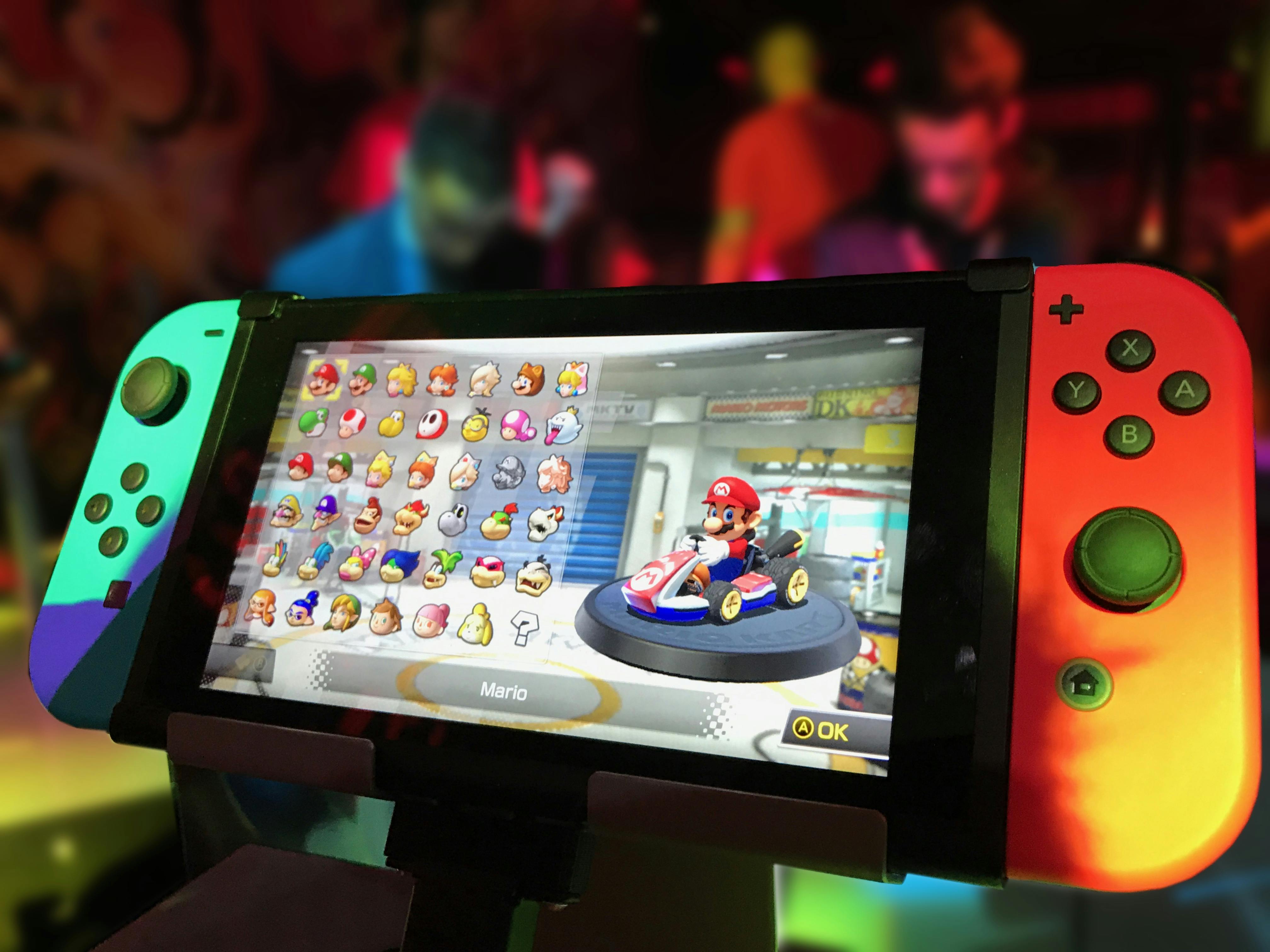
Yomiuri reported in July 2025, citing Famitsu data, that the Switch 2 sold at least 1,538,260 units in Japan during its first month. This figure set a new console record, beating the PS2’s first-month total of 1,134,862 units by over 400,000 systems. For Nintendo hardware specifically, the Switch 2 beat the Game Boy Advance’s 1,367,433 first-month sales and the Nintendo DS’s 1,269,846 units.
GameSpot noted this achievement was particularly remarkable considering the original Switch only sold 556,633 units in its first month in Japan. The Switch 2 nearly tripled its predecessor’s first-month performance, suggesting multiple factors contributing to stronger launch momentum including pent-up demand, better initial supply, and perhaps lessons learned from the original Switch launch regarding distribution and marketing.
The first-month record also demonstrated that initial launch enthusiasm wasn’t just a first-week spike that immediately cratered. Sustained sales through weeks two, three, and four showed genuine consumer demand rather than just hardcore early adopters clearing out launch inventory. This consistency matters for predicting long-term performance and suggests the Switch 2 has broad market appeal beyond just Nintendo’s most dedicated fans.
Global Context and Comparisons
| Console | Japan 27-Week Sales | Ranking |
|---|---|---|
| Nintendo Switch 2 | 3.172 million | 1st |
| Game Boy Advance | 3.171 million | 2nd |
| PlayStation 2 | 3.112 million | 3rd |
| Wii | 2.563 million | 4th |
| Nintendo DS | 2.232 million | 5th |
| Nintendo 3DS | 1.687 million | 6th |
| Nintendo Switch | 1.598 million | 7th |
| PlayStation 5 | 0.726 million | 15th |
Globally, Nintendo announced on June 10, 2025 that the Switch 2 had sold over 3.5 million units worldwide in its first four days, making it the company’s fastest-selling console ever. Bloomberg reported this figure beat the roughly 2.7 million units the original Switch managed in its entire first month globally, demonstrating the Switch 2’s momentum wasn’t limited to Japan but represented worldwide enthusiasm.
By August 2025, Nintendo’s first financial report after launch revealed the Switch 2 had sold more than 6 million units globally in seven weeks. IGN noted demand was exceeding supply in many countries, with Nintendo apologizing to consumers and promising to strengthen production and supply systems. The company maintained its conservative forecast of 15 million units sold by March 2026, though analysts suggested Nintendo could exceed that target significantly if supply constraints eased.
The global success validated Nintendo’s strategy of launching the Switch 2 at a higher price point than its predecessor. The base model retails for $450 in the US and comparable prices in other markets, representing a significant premium over the original Switch’s launch price. Despite concerns about affordability and potential impact from tariffs, strong sales demonstrated consumers found value in the upgraded hardware and were willing to pay premium prices for Nintendo’s latest platform.
Why Japan Matters Disproportionately
Japan represents Nintendo’s home market and historically one of its strongest territories. The country’s gaming culture favors portable and hybrid gaming over traditional home consoles, making the Switch concept particularly appealing. Handheld gaming has thrived in Japan for decades due to commuting culture, smaller living spaces, and cultural preferences around mobile entertainment, giving Nintendo natural advantages with the Switch form factor.
The Switch 2’s performance in Japan also serves as a bellwether for global success. When Japanese consumers embrace Nintendo hardware strongly, it typically signals worldwide acceptance. The original Switch’s eventual 33+ million sales in Japan out of roughly 140+ million globally shows the market represents about 23% of Nintendo’s console business, making it by far the most important single country for the company.
Japanese sales also matter for third-party developer support. When a platform dominates in Japan, Japanese developers prioritize it for their games, creating a virtuous cycle where strong hardware sales drive exclusive software which drives more hardware sales. The Switch 2’s momentum ensures robust support from Japanese publishers like Square Enix, Capcom, Bandai Namco, and Atlus who are crucial to Nintendo’s software ecosystem.
Mario Kart World Driving Sales
Launch title Mario Kart World significantly contributed to Switch 2’s success. IGN reported in early June that Mario Kart World sold more physical copies in Japan during its first three days than The Legend of Zelda: Breath of the Wild managed during the original Switch launch. By August, Nintendo revealed Mario Kart World had sold 5.63 million copies globally, representing almost as many units as the Switch 2 hardware itself sold.
This attach rate demonstrates Mario Kart World functioned essentially as a system seller, with many consumers buying the Switch 2 specifically to play the new racing game. Nintendo capitalized on this by offering Switch 2 bundles that included Mario Kart World, making the package even more attractive to consumers who planned to buy both separately anyway. These bundles became so popular that Nintendo later announced additional bundles with Pokemon Legends: Z-A scheduled for October 2025.
The Mario Kart franchise’s popularity in Japan specifically cannot be overstated. Racing games have historically performed exceptionally well in the Japanese market, and Mario Kart represents the pinnacle of accessible, social racing gameplay that appeals across demographics. Having a new mainline Mario Kart title at launch gave Nintendo a guaranteed hit that would drive hardware sales, unlike the original Switch which launched with Zelda, a game with narrower appeal despite its critical acclaim.

Supply Constraints and Future Outlook
Despite impressive sales figures, supply constraints have limited the Switch 2’s potential even further. Nintendo president Shuntaro Furukawa acknowledged in April 2025 that pre-order applications far exceeded expectations and available supply for launch day. The 2.2 million pre-order applications in Japan alone dwarfed the actual units Nintendo could deliver on June 5, creating a supply-constrained environment where demand significantly outpaced availability.
This supply situation means the 3.17 million units sold in Japan after 27 weeks represents what Nintendo could supply rather than the ceiling of consumer demand. If unlimited inventory had been available, sales figures would likely be substantially higher. Nintendo’s apologies to consumers and promises to strengthen production systems acknowledge this gap between demand and supply capacity.
Looking forward, if Nintendo successfully ramps production to meet demand, the Switch 2 could potentially achieve even more remarkable sales milestones. The holiday season historically represents the strongest sales period for gaming hardware, and December 2025 data showing the Switch 2 sold over 200,000 units during week 49 suggests momentum remains strong heading into year’s end. This represents the console’s second-biggest week to date, demonstrating sustained interest rather than just launch enthusiasm fading away.
Third-Party Software Challenges
IGN reported in June 2025 that while Switch 2 hardware sales were exceptional, third-party software struggled to gain traction. With 3.5 million consoles sold but only 8.67 million total software units moved by early August, and Mario Kart World accounting for 5.63 million of those, non-Nintendo games represented less than 3 million sales across all titles. This suggested many consumers were buying Switch 2 primarily for Nintendo’s first-party offerings rather than multiplatform games.
This pattern mirrors the original Switch’s lifecycle where Nintendo’s exclusive titles consistently dominated sales charts while third-party games often performed better on PlayStation or Xbox despite Switch versions existing. For the Switch 2, this dynamic could influence developer support going forward. If third-party publishers can’t achieve strong sales on the platform, they may deprioritize it for major releases despite the massive install base.
However, Japan’s market dynamics differ from Western markets. Japanese third-party publishers like Square Enix, Capcom, and Atlus have historically found success on Nintendo platforms with titles designed specifically for the audience. Monster Hunter, Dragon Quest, and Persona series perform exceptionally well on Nintendo hardware in Japan, suggesting third-party concerns may be less applicable in Nintendo’s home market where platform loyalty and genre preferences align differently than in North America or Europe.
Historical Context and Records
The Switch 2’s performance must be understood within Japanese gaming history where certain consoles achieved legendary status. The PS2 sold over 21 million units lifetime in Japan, becoming one of the best-selling consoles in the market’s history. The Nintendo DS reached approximately 33 million units, and the original Switch surpassed even that to become Japan’s best-selling gaming platform ever with 33+ million units as of 2024.
For the Switch 2 to be outselling both the PS2 and Game Boy Advance at the 27-week mark suggests it’s on trajectory to potentially match or exceed even the original Switch’s lifetime totals if momentum continues. Whether that actually happens depends on numerous factors including software support, competition from other platforms, and how long Nintendo continues producing and supporting the hardware before introducing successors.
What’s particularly remarkable is the Switch 2 achieving these records despite higher pricing than its predecessor, supply constraints limiting availability, and launching in an era where gaming competes with mobile phones and other entertainment options far more intensely than during the PS2 or Game Boy Advance eras. These headwinds make the sales performance even more impressive and demonstrate Nintendo successfully convinced Japanese consumers that the Switch 2 justified premium pricing through improved hardware capabilities.
Frequently Asked Questions
How many Switch 2 consoles sold in Japan?
Over 3.17 million units sold in Japan after 27 weeks according to December 2025 data, making it the fastest-selling console in Japanese history at that milestone.
How does Switch 2 compare to the original Switch in Japan?
The Switch 2 sold more than double what the original Switch managed in the same 27-week timeframe. Original Switch sold 1.598 million while Switch 2 reached 3.172 million.
What records has the Switch 2 broken in Japan?
Fastest-selling console at 27 weeks, highest first-month sales (1.5+ million), and strongest launch week (947,931 units in first four days), beating records previously held by PS2 and Game Boy Advance.
When did the Switch 2 launch?
June 5, 2025 globally including Japan. Pre-orders began in April 2025 with lottery systems due to overwhelming demand.
Why is Switch 2 selling better than the original?
Multiple factors including pent-up demand after eight years, better launch lineup with Mario Kart World, improved initial supply compared to original Switch, and lessons learned from previous launch.
Is Switch 2 still hard to find?
Yes, demand continues exceeding supply according to Nintendo. The company apologized for shortages and promised to strengthen production, but supply constraints remain ongoing as of December 2025.
How much does Switch 2 cost in Japan?
Pricing in Japan is approximately 60,000 yen for the base model, representing a significant premium over the original Switch’s launch price but consumers have shown willingness to pay for the upgraded hardware.
Will Switch 2 outsell the original Switch lifetime?
Too early to determine, but current trajectory suggests it’s possible if momentum continues. Original Switch sold 33+ million lifetime in Japan, and Switch 2’s strong start puts it on pace to potentially match or exceed that figure.
The Bottom Line
The Nintendo Switch 2’s achievement of 3.17 million units sold in Japan after just 27 weeks represents a remarkable success story that exceeded even Nintendo’s own expectations. By doubling the original Switch’s performance at the same milestone and beating legendary consoles like the PS2 and Game Boy Advance, the Switch 2 has established itself as one of the fastest-selling gaming platforms in Japanese history. This momentum comes despite higher pricing, supply constraints, and a competitive gaming landscape, demonstrating Nintendo’s continued dominance in its home market.
The success in Japan signals global strength for the Switch 2, as Japanese market performance historically correlates with worldwide acceptance of Nintendo hardware. With over 6 million units sold globally by August 2025 and demand still exceeding supply across regions, the Switch 2 appears positioned for a successful generation that could potentially rival or surpass the original Switch’s historic performance. Whether it achieves that long-term success depends on maintaining software support, managing supply chains effectively, and continuing to deliver experiences that justify the premium pricing.
For now, the December 2025 milestone of 3 million sales in Japan after 27 weeks stands as concrete evidence that Nintendo successfully launched its most important hardware generation in years. The combination of improved hardware capabilities, strong launch lineup led by Mario Kart World, and Nintendo’s deep understanding of Japanese gaming preferences created a perfect storm that delivered record-breaking results. As the Switch 2 heads into its first holiday season and beyond, all eyes will watch whether it can maintain this momentum and cement its place among gaming’s all-time great platforms.