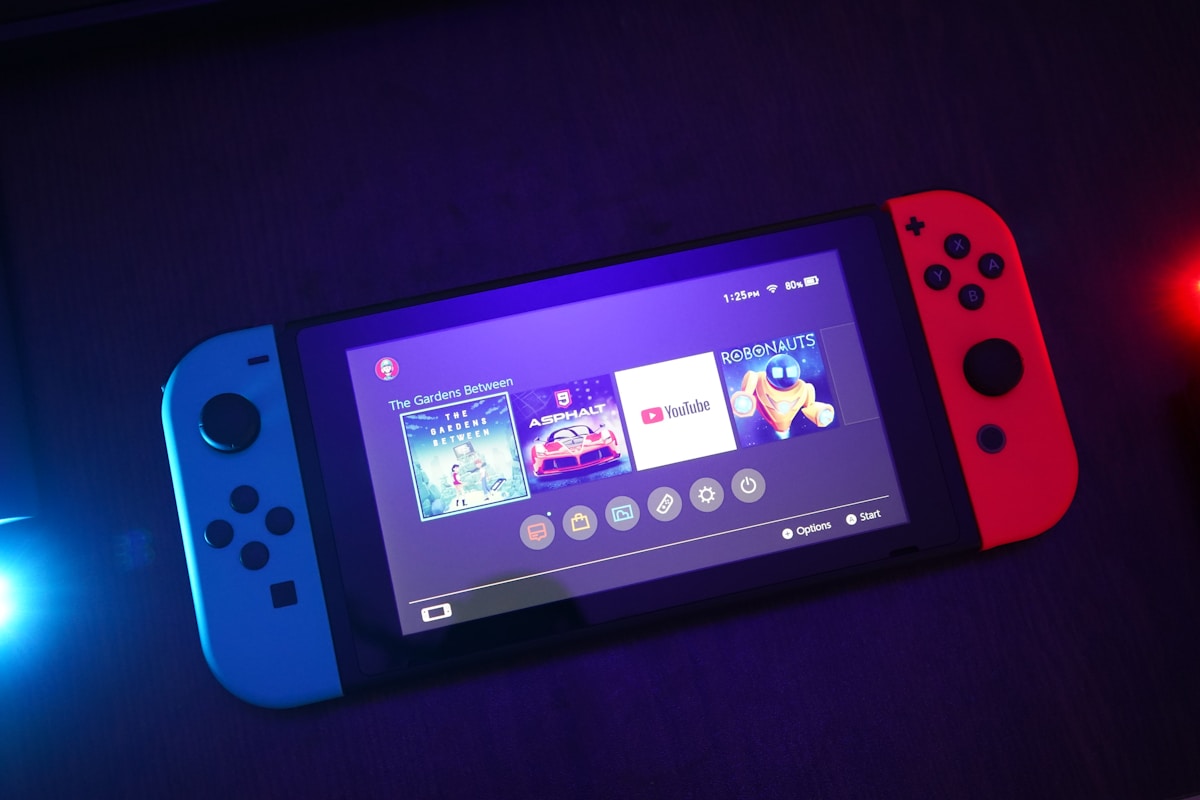
Publisher ININ Games accidentally dropped major news on December 19, 2025, when it announced that Nintendo is now offering smaller cartridge sizes for Switch 2 beyond the expensive 64GB option that launched with the console. The reveal came through an update about R-Type Dimensions 3’s physical release, stating that two new smaller cartridge sizes would allow the game to ship on a full cartridge instead of the controversial Game Key Card system.
ININ Games quickly walked back the statement, issuing a correction that Nintendo has not officially announced these smaller cartridges and that references to specific storage sizes should not be interpreted as official information. But the damage was done. The original announcement, the edited versions, and the decision to shift R-Type Dimensions 3 to a full physical cartridge all suggest these smaller carts are real, even if Nintendo isn’t ready to publicly confirm them yet.
What ININ Games Revealed
The original announcement from ININ Games was straightforward and specific. The publisher stated that two days ago, Nintendo announced two new smaller cartridge sizes for Nintendo Switch 2, allowing them to recalculate production costs in ways that weren’t previously possible. As a result, the entire European and US production run of R-Type Dimensions 3 for Switch 2 would release on a full physical cartridge.
This was huge news for physical game collectors who have been fighting against the Switch 2’s Game Key Card system since the console launched in April 2025. Game Key Cards look like cartridges and come in physical boxes sold at retail stores, but they only contain a download key for the eShop rather than the actual game data. You still need internet access to download the full game, and preservation concerns arise since these cards become useless once Nintendo shuts down Switch 2 servers years from now.
ININ Games had originally planned to release R-Type Dimensions 3 using Game Key Cards, likely because the 64GB cartridge option was too expensive for a smaller indie release. But with rumored 16GB and 32GB cartridge options now available from Nintendo, the publisher could afford to put the full game on a real cartridge that will work forever without server dependencies.
The catch is that the physical version will now cost 10 euros more due to the higher production costs compared to Game Key Cards. However, ININ Games promised to honor the original price for anyone who pre-ordered before the change was announced, thanking the community for passionate discussion and feedback that made the true cartridge release possible.
The Backpedaling and Confusion
After the initial announcement went live, ININ Games edited its statement and removed specific references to Nintendo announcing new cartridge sizes. The correction emphasized that there has been no official announcement or confirmation from Nintendo concerning cartridge storage capacities, and any references should not be interpreted as official information from Nintendo.
The edited version simply says the publisher could recalculate production in ways that weren’t possible before, without explicitly mentioning smaller cartridge options. But the decision to shift from Game Key Cards to full physical cartridges, combined with the timing of being able to recalculate production costs, strongly suggests something changed with Nintendo’s cartridge offerings.
Multiple gaming outlets including IGN, Kotaku, GameSpot, and Ars Technica covered the story, with most treating it as a slip-up that revealed information Nintendo wasn’t ready to announce publicly yet. The pattern resembles previous leaks where publishers or retailers accidentally confirm details before official Nintendo reveals, then quickly delete or walk back statements after realizing the mistake.
Why Game Key Cards Became So Controversial
To understand why smaller cartridges matter so much, you need to grasp how much physical game collectors hate Game Key Cards. When Switch 2 launched in April 2025, Nintendo introduced these cards as a solution for publishers who couldn’t afford or didn’t need the full 64GB cartridge capacity. The cards physically resemble regular Switch 2 cartridges and slide into the console’s cartridge slot, but they only unlock a download from the eShop.
Third-party publishers embraced Game Key Cards aggressively. Capcom, Square Enix, and Sega released most of their Switch 2 games as Game Key Cards, with rare exceptions like Sonic Racing: CrossWorlds and Cyberpunk 2077 getting full cartridge releases. Major titles like Star Wars Outlaws launched as Game Key Cards, with Ubisoft defending the decision by citing technical limitations of standard cartridges for rendering the massive game world.
The preservation community reacted with alarm. Japan’s National Diet Library, which preserves video games alongside books and music for cultural heritage, announced that Game Key Cards will not be eligible for preservation because only physical media containing the content itself qualifies for their collection. Once Nintendo shuts down Switch 2 servers decades from now, games released exclusively as Game Key Cards become unplayable unless you already downloaded them.
Capcom treats Game Key Card sales as digital rather than physical in its financial reporting, even though the cards are sold in brick-and-mortar stores in retail boxes. This creates confusion about what actually counts as a physical release. Prominent developers publicly stated they hate Game Key Cards, and preservationists called them a disheartening move as the gaming industry continues struggling with future-proofing.
Physical game collectors pay premium prices expecting tangible products they can keep, trade, and play without server dependencies. Game Key Cards feel like a bait-and-switch where you’re paying physical prices for what amounts to a glorified download code in fancy packaging. The ability to resell or lend Game Key Cards offers some advantage over pure digital purchases, but it’s small consolation when the underlying game still requires online access to obtain.
The 64GB Cartridge Cost Problem
Nintendo launched Switch 2 with only 64GB cartridges available to publishers, a decision that immediately created problems. That capacity works great for first-party Nintendo titles and massive AAA releases, but it’s overkill and prohibitively expensive for smaller indie games, retro collections, and mid-sized projects that only need 8GB to 20GB of storage.
Publishers faced an impossible choice. Pay for expensive 64GB cartridges when their game only uses a fraction of that capacity, eating into already thin profit margins? Release as Game Key Cards instead, saving money but angering physical collectors and raising preservation concerns? Or skip physical releases entirely and go pure digital, abandoning the retail market and collectors who prefer tangible products?
This is why rumors about 16GB and 32GB cartridge options generated such excitement. Smaller cartridges would give publishers affordable physical options for games that don’t need 64GB capacity, potentially saving Game Key Cards for only the truly massive titles that legitimately can’t fit on a single cartridge. ININ Games’ announcement, even with the subsequent retraction, suggests Nintendo listened to publisher feedback and created those smaller options.
What This Means Going Forward
If Nintendo is indeed offering 16GB and 32GB cartridge sizes, it fundamentally changes the Switch 2 physical game landscape. Smaller indie developers and publishers like ININ Games, Limited Run Games, and others specializing in physical releases could afford real cartridges instead of defaulting to Game Key Cards or skipping physical entirely.
The 10 euro price increase ININ Games mentioned for R-Type Dimensions 3 indicates these smaller cartridges still cost significantly more than Game Key Cards, but not so much that physical releases become economically impossible. Publishers will need to weigh whether their audience values true physical releases enough to pay slightly higher prices, but early reactions suggest collectors are absolutely willing to pay premiums for legitimate cartridges.
Game preservation advocates would celebrate this development. More games on actual cartridges means better long-term preservation prospects when Switch 2’s eShop inevitably closes decades from now. It shifts the equation back toward physical media containing the complete game rather than just serving as keys to access online downloads.
The timing of ININ Games’ announcement, coming nine months after Switch 2’s April 2025 launch, suggests Nintendo heard feedback about the Game Key Card controversy and responded with options publishers actually wanted. Whether Nintendo officially announces these smaller cartridges or just quietly makes them available to developers remains to be seen, but their existence seems increasingly certain.
Frequently Asked Questions
What did ININ Games announce about Switch 2 cartridges?
ININ Games initially announced on December 19, 2025 that Nintendo had revealed two new smaller cartridge sizes for Switch 2, allowing them to release R-Type Dimensions 3 on a full physical cartridge instead of a Game Key Card. The publisher quickly walked back the statement, saying Nintendo has not officially announced these sizes, but the decision to shift to physical cartridges suggests the smaller options are real.
What sizes are the rumored new Switch 2 cartridges?
While Nintendo hasn’t officially confirmed anything, reports and rumors suggest the new cartridge options are 16GB and 32GB sizes. These would sit below the 64GB cartridge that was the only option at Switch 2’s launch in April 2025, giving publishers cheaper alternatives for smaller games.
What are Game Key Cards on Switch 2?
Game Key Cards are physical cartridges sold in retail boxes that only contain a download key for the Nintendo eShop rather than the actual game data. They look like regular Switch 2 cartridges and insert into the console, but you still need internet access to download the full game. They’ve proven controversial among physical collectors and preservationists.
Why do physical game collectors hate Game Key Cards?
Collectors hate Game Key Cards because they’re essentially download codes disguised as physical products. Once Nintendo shuts down Switch 2 servers years from now, the cards become useless unless you already downloaded the game. They also can’t be preserved by institutions like Japan’s National Diet Library, raising concerns about long-term game preservation.
Will R-Type Dimensions 3 be on a physical cartridge?
Yes, ININ Games confirmed that R-Type Dimensions 3 for Switch 2 will release on a full physical cartridge in Europe and the US, abandoning previous plans to use Game Key Cards. The physical version will cost 10 euros more than originally planned, but early pre-order customers will receive the original price.
Why did Nintendo only launch with 64GB cartridges?
Nintendo hasn’t publicly explained the decision, but 64GB cartridges work well for massive first-party titles and large AAA releases. The problem is that smaller indie games and mid-sized projects don’t need that much capacity, making the expensive 64GB carts economically impractical and pushing publishers toward Game Key Cards or digital-only releases.
Are smaller Switch 2 cartridges officially confirmed?
No, Nintendo has not officially announced smaller cartridge sizes. ININ Games walked back its initial statement confirming them. However, the publisher’s decision to shift R-Type Dimensions 3 to physical cartridges and the timing of being able to recalculate production costs strongly suggests these options now exist, even if Nintendo isn’t ready to publicly announce them.
A Win for Physical Collectors
Despite the confusion and backpedaling, ININ Games’ slip-up represents potentially great news for physical game collectors and preservation advocates. If Nintendo is indeed offering 16GB and 32GB cartridge options, it addresses one of the biggest complaints about Switch 2’s physical game situation and gives smaller publishers realistic paths to true cartridge releases.
The fact that ININ Games confidently shifted R-Type Dimensions 3 from Game Key Cards to physical cartridges suggests something fundamental changed in the economics of Switch 2 physical publishing. Whether Nintendo formally announces these options at a future Direct or simply makes them quietly available to developers, the result is more real cartridges and fewer controversial Game Key Cards. That’s a win for everyone who believes physical games deserve to actually be physical, not just download keys in fancy packaging. Now the gaming community waits to see which other publishers follow ININ Games’ lead and embrace the smaller cartridge options for upcoming releases.