Grand Theft Auto fans have spent years dreaming about the franchise leaving America behind for exotic international locations. Those dreams nearly became reality, according to former Rockstar technical director Obbe Vermeij. In a revealing interview with GamesHub, the developer who worked on some of the series’ most iconic titles confirmed that GTA Tokyo wasn’t just a concept thrown around in brainstorming sessions. It almost actually happened, with a Japanese studio lined up to develop it using Rockstar’s code before the project quietly died.

The Projects That Never Were
Vermeij, who served as technical director at Rockstar North from 1995 to 2009, didn’t just work on any GTA games. His tenure covered the franchise’s golden era including GTA 3, Vice City, San Andreas, and GTA 4. These were the titles that transformed Grand Theft Auto from a quirky top-down game into the cultural phenomenon that prints money for Take-Two Interactive. His insights carry weight because he was there during the period when Rockstar actively explored taking the series beyond American borders.
Tokyo wasn’t the only international location on Rockstar’s radar during those years. Vermeij revealed the studio kicked around ideas for GTA games set in Rio de Janeiro, Moscow, and Istanbul. Each location offered unique cultural flavor, architectural styles, and potential for the satirical social commentary that defines the series. Rio’s favelas and carnival culture, Moscow’s Soviet-era brutalist architecture mixing with modern oligarch excess, Istanbul bridging Europe and Asia – all represented fascinating playgrounds for the chaos GTA delivers.
How Close Did GTA Tokyo Actually Come
What separates Tokyo from the other international concepts is how far the project advanced. This wasn’t just developers spitballing cool cities over lunch. According to Vermeij, another studio based in Japan was going to take Rockstar’s existing game code and develop GTA Tokyo as a standalone project. The plan involved handing off the technical foundation Rockstar had built, allowing the Japanese studio to craft their own version of the GTA experience set in their home country.
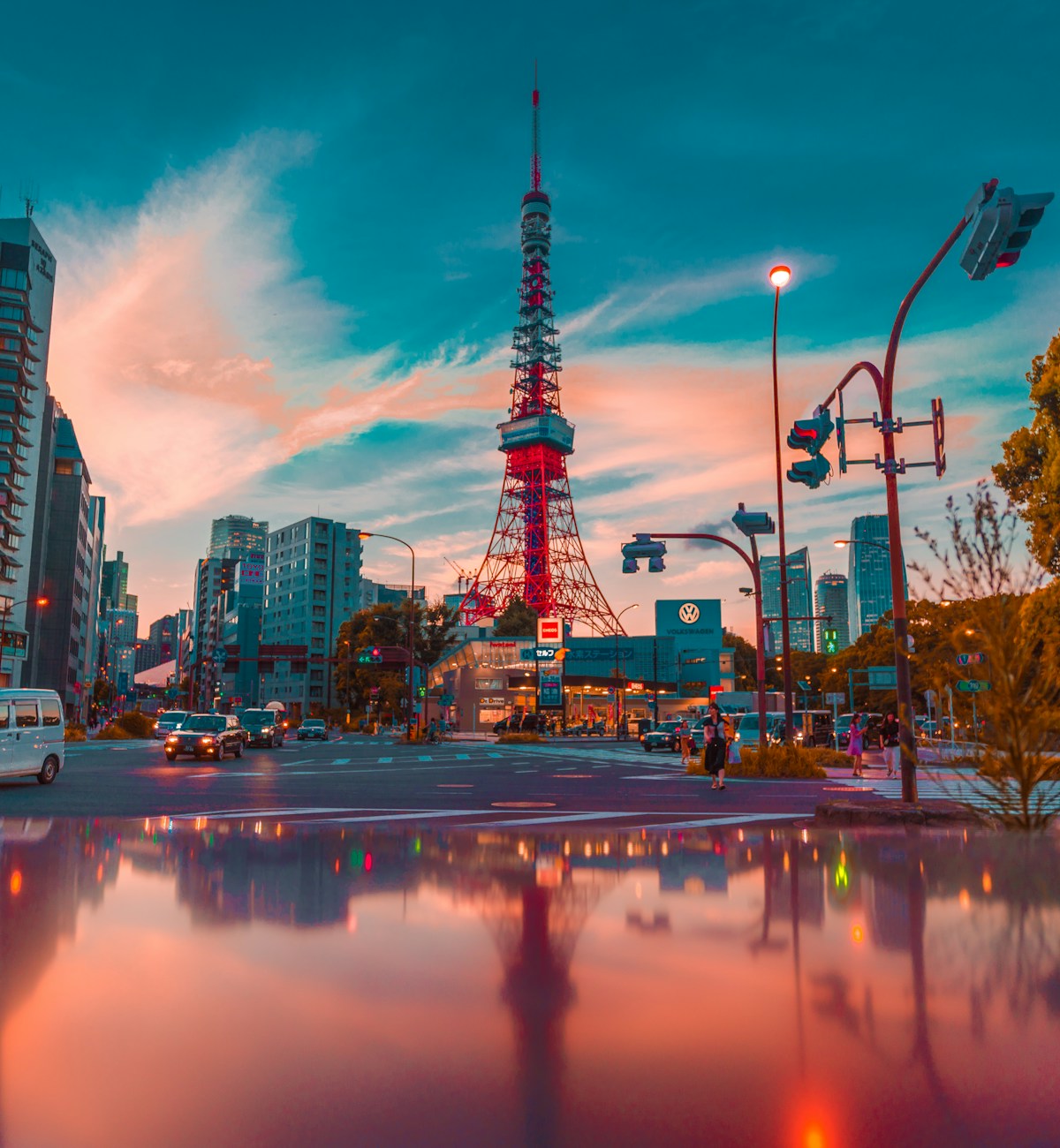
Vermeij didn’t reveal which Japanese studio was involved in discussions or how far development actually progressed before the plug got pulled. The lack of details suggests the project died early enough that no formal announcements were made or contracts finalized. Still, the fact that Rockstar reached the point of discussing code sharing and external development represents a significant commitment that went far beyond casual brainstorming.
Why It Died
The reasons GTA Tokyo never materialized ultimately come down to risk management and the franchise’s core identity. As development costs and financial stakes grew exponentially with each GTA release, Rockstar became increasingly conservative about where to set their games. Vermeij explained the thought process bluntly: when you’ve got billions of dollars riding on a project, it becomes too easy to stick with what you know works rather than gambling on novelty.
The American Culture Problem
Beyond pure financial risk, there’s a fundamental creative reason GTA stays in America. The series has always been deeply rooted in American culture, drawing heavily on Americana for its satire, characters, music, and social commentary. Rockstar views American cities as universally recognizable even to people who have never visited them, thanks to movies, television, music, and general cultural dominance.
Dan Houser, Rockstar co-founder and former GTA writer who left the company in 2020, echoed similar sentiments in a separate interview on the Lex Fridman podcast. He emphasized that Grand Theft Auto leans so heavily on Americana that setting it elsewhere would fundamentally change what the game is. The series needs guns, larger-than-life characters, and specifically American social dynamics to deliver the experience fans expect.

Houser pointed out that while GTA London existed as a mission pack for the original PlayStation 1 game 26 years ago, a full modern GTA game in London or anywhere else would struggle because the IP is inherently about America, possibly from an outsider’s perspective. You need the cultural context of American gun culture, capitalism run amok, and the specific brand of excess and absurdity that American cities provide.
Stuck in a Five City Loop
Vermeij’s outlook on the franchise’s future is pragmatic but disappointing for fans hoping GTA 7 might finally venture to Bogota, Toronto, or anywhere exotic. He believes the series is stuck in a loop of approximately five American cities that will continue rotating as settings. Liberty City (New York), Vice City (Miami), San Andreas/Los Santos (California/Los Angeles), potentially Las Vegas, and maybe a reimagined version of another major American metropolitan area.
The technical and creative advancements between console generations mean Rockstar doesn’t need new locations to justify new games. Nobody is going to skip GTA 6 just because it returns to Vice City, a location last featured in a standalone game back in 2002. The 23-year gap and complete technological transformation make it feel entirely new despite the familiar setting. This logic applies to any American city Rockstar wants to revisit.
The Development Time Factor
Vermeij emphasized that if GTA games still took one year to develop like they did in the early 2000s, sure, Rockstar could afford to experiment with left-field locations for novelty. But when there’s a GTA every 12 years now, with budgets exceeding most Hollywood blockbusters, that experimentation becomes impossible to justify to shareholders and executives.
What Could Have Been
Imagining GTA Tokyo creates fascinating possibilities. Japan’s dense urban environments, neon-soaked streets, yakuza culture, host clubs, pachinko parlors, and unique automotive scene would have provided completely different gameplay dynamics compared to American settings. The strict gun control laws in Japan would have required rethinking combat mechanics, potentially emphasizing melee weapons, improvised tools, and yakuza-style knife fights over the shootouts that define American GTA games.
Tokyo’s public transportation infrastructure, including its famous subway system, could have created vertical gameplay opportunities absent in car-dependent American cities. The contrast between ultra-modern technology districts like Akihabara and traditional neighborhoods would offer visual variety. Japanese organized crime operates differently than American gangs, following strict hierarchical codes that could have informed interesting narrative structures.
FAQs
Who is Obbe Vermeij and why does his opinion matter?
Obbe Vermeij served as technical director at Rockstar North from 1995 to 2009, working on GTA 3, Vice City, San Andreas, and GTA 4. He was directly involved during the studio’s most transformative period and participated in high-level discussions about the franchise’s direction, making his revelations about cancelled projects credible insider information.
Which Japanese studio was going to make GTA Tokyo?
Vermeij didn’t reveal which Japanese studio was involved in discussions to develop GTA Tokyo. The lack of specific details suggests the project died early in development before formal announcements or contracts were finalized.
What other international GTA locations did Rockstar consider?
Besides Tokyo, Rockstar had ideas for GTA games set in Rio de Janeiro, Moscow, and Istanbul. However, none of these concepts progressed as far as the Tokyo project, which came closest to actually happening with a Japanese studio lined up to develop it.
Why won’t Rockstar set GTA outside America?
Rockstar views the financial risk as too high given the billions of dollars invested in each GTA game. Additionally, the series is fundamentally about American culture, satire, and social commentary. American cities are universally recognizable globally, and the franchise relies heavily on Americana for its tone, characters, and gameplay mechanics like prevalent gun culture.
Will GTA ever leave the United States?
According to Vermeij, it’s extremely unlikely. He believes the franchise is stuck in a loop of approximately five American cities including New York, Miami, Los Angeles, and potentially Las Vegas. The long development cycles and massive budgets make experimentation with unfamiliar locations too risky for Rockstar to justify.
What about GTA London?
GTA London was a mission pack released for the original PlayStation 1 game in 1999, making it 26 years old. It was a small expansion for the top-down GTA format and significantly different from modern 3D GTA games. Rockstar views it as a cute experiment rather than proof that international settings work for full modern GTA titles.
Where is GTA 6 set?
GTA 6 returns to Vice City, Rockstar’s fictionalized version of Miami, Florida, set in the modern-day state of Leonida. This marks the first time the franchise revisits Vice City in a standalone game since GTA Vice City in 2002.
How long does it take Rockstar to make a GTA game now?
According to Vermeij, development cycles have stretched to approximately 12 years between mainline GTA releases. GTA 5 launched in 2013, and GTA 6 is expected in 2026, representing a 13-year gap. This extended timeline makes risky creative decisions like international settings harder to justify.
Conclusion
The revelation that GTA Tokyo came within striking distance of reality offers a bittersweet glimpse into what could have been for one of gaming’s most iconic franchises. Obbe Vermeij’s confirmation transforms years of fan speculation and wishful thinking into documented history, proving that Rockstar seriously explored taking the series international before ultimately deciding the risk wasn’t worth the potential reward. The logic makes cold business sense even if it disappoints fans craving something radically different. GTA has become too valuable, too expensive, and too culturally tied to America to experiment with settings that might alienate the massive audience expecting the specific flavor of satire and gameplay only American cities provide. While a Japanese studio tackling Tokyo with Rockstar’s code represents one of gaming’s most fascinating what-if scenarios, the reality is that franchise evolution has been replaced by franchise refinement. Each new GTA will push technical boundaries, expand map sizes, and refine mechanics, but the fundamental setting will remain locked within a small rotation of American cities that developers can revisit every decade or so with completely rebuilt technology. For fans hoping the series might eventually go global like Assassin’s Creed or explore the unique cultural dynamics other countries offer, Vermeij’s message is clear: get used to Liberty City, Vice City, and Los Santos because that’s the loop we’re stuck in for the foreseeable future.