The PlayStation 6 and next-generation Xbox may not arrive when you expect them. Industry insider Tom Henderson revealed that Sony and Microsoft are actively debating whether to delay their next consoles beyond the planned 2027-2028 launch window. The reason? RAM prices have exploded by 500% in recent months due to AI demand, and launching next-generation hardware during this shortage could mean consoles priced at $1,000 to $1,500 or higher.
The situation has console manufacturers caught between impossible choices. Release on schedule with price tags that will alienate most consumers, or delay several years hoping memory manufacturers can expand infrastructure and stabilize costs. Either option carries serious risks for companies already struggling with declining console sales and an industry-wide shift toward platform agnosticism.

The Numbers Behind the Crisis
RAM module prices have increased by several hundred percent in just the past few months according to Henderson’s Insider Gaming report. DDR5 memory that sold for around $120 in September 2025 now costs $175 or more, with gaming-focused kits seeing 89% price increases in two months. Even older DDR4 memory has jumped 47-71% as manufacturers shift production to newer technology and AI applications.
Kingston, one of the world’s largest memory makers, warned that component costs have surged 246% since early 2025. That increase affects both RAM and NAND flash storage, two critical components for next-generation consoles. SSD prices have doubled alongside the RAM shortage, compounding the cost crisis facing hardware manufacturers.
The root cause is artificial intelligence. AI data centers require massive amounts of high-bandwidth memory for training models and real-time processing. A single NVIDIA GB300 server rack uses enough memory to build a thousand laptops. Manufacturers like Micron have prioritized these lucrative AI customers over consumer electronics, starving the gaming hardware market of supply.
What Next-Gen Consoles Actually Need
Early rumors suggest the PS6 will feature 24GB of GDDR7 memory for advanced ray tracing and machine learning capabilities, a significant upgrade from the PS5’s 16GB. The next Xbox may pack even more, with speculation pointing to 36GB on a 192-bit memory bus to enable 8K output and AI-powered upscaling. Moore’s Law Is Dead previously claimed the next Xbox could cost between $800 to $1,200 due to its larger die size and expanded memory capacity.
At current prices, premium memory alone could add $500 or more to the manufacturing cost of each console. That doesn’t include the processor, graphics chip, storage, cooling, power supply, or any other components. Full manufacturing costs could easily exceed what consumers paid for an entire PS5 at launch, forcing console makers to either accept massive losses per unit or pass costs along to buyers.
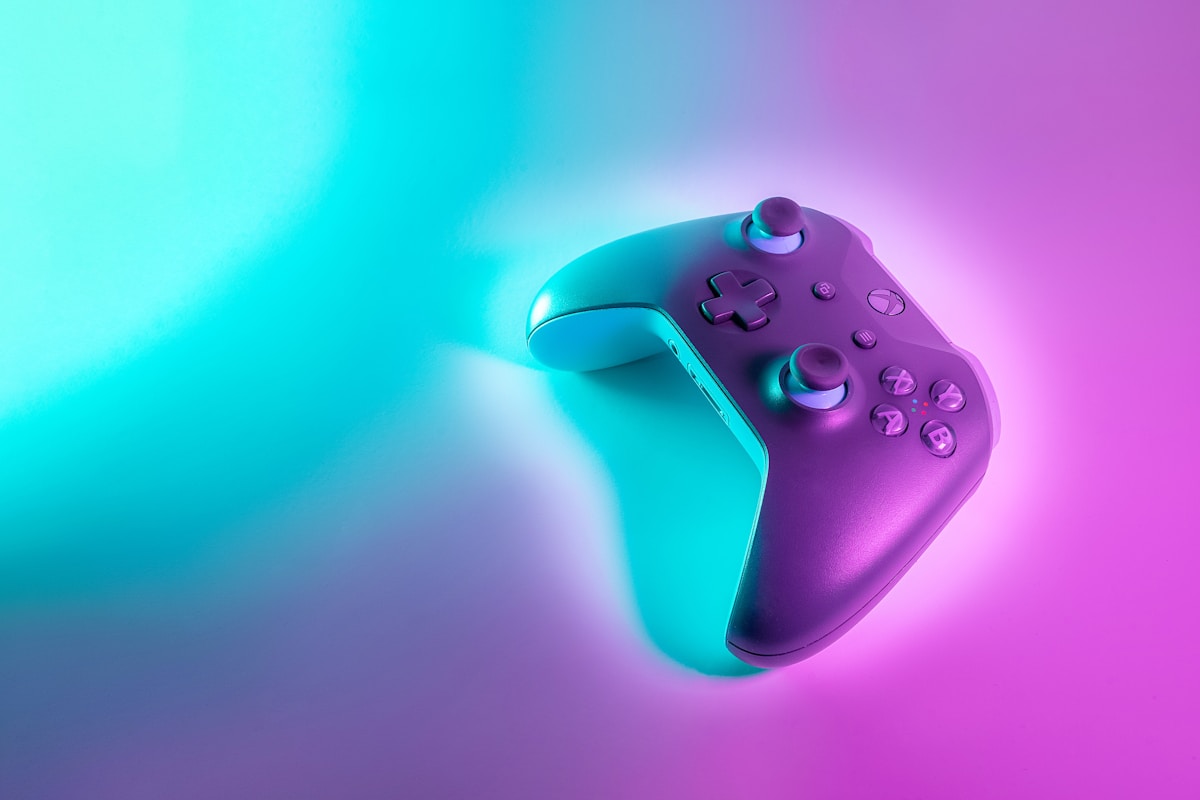
Microsoft already loses $100 to $200 on every Xbox Series X sold according to Phil Spencer. That business model works when component costs are predictable and software sales eventually balance the books. But if RAM prices continue climbing or fail to drop significantly, the financial math breaks down completely. Selling a $1,200 console at a $500 loss creates unsustainable economics even for trillion-dollar companies.
Current Generation Isn’t Safe Either
Henderson’s report warns that PS5 and Xbox Series X/S consoles could see additional price increases as the memory crisis persists. This would be particularly painful for Microsoft, which has already raised Xbox Series prices twice in 2025, from $300 to $380 in May and then to $400 in September for the Series S. Further increases on seven-year-old hardware could devastate sales that already slowed significantly in late 2025.
Sony faces similar pressure with the PS5 and PS5 Pro. The Pro model launched at $699, drawing criticism for its high price despite relatively modest upgrades. If component costs force another price increase, Sony risks pricing itself out of the market entirely. Console sales in the United States already experienced surprising declines in November 2025 despite the holiday shopping season typically driving strong performance.
Why This Generation Might Last a Decade
Reddit discussions about the potential delay revealed something unexpected: many gamers actually want consoles delayed. User UpsetKoalaBear argued that the current generation was always going to last longer than previous cycles regardless of memory shortages. The PS5 and Xbox Series X launched with hardware equivalent to high-end gaming PCs and included future-proofing technologies like PlayStation Spectral Super Resolution upscaling.
Multiple commenters pointed out that development timelines have stretched dramatically in recent years. AAA games now take five to seven years to produce instead of two to three. Grand Theft Auto 6 won’t arrive until 2026 or later, thirteen years after GTA V. The Elder Scrolls VI has no release date despite being announced in 2018. Major franchises that previously delivered entries every few years now operate on decade-long cycles.

A delayed console generation gives developers more time to maximize current hardware and polish cross-generation titles. It also extends the useful life of consumer investments. Players who spent $500 on a PS5 or Series X would get nine to ten years of support rather than feeling pressured to upgrade after seven years. That extended timeline better matches how people actually use consoles compared to the frantic upgrade cycles of PC gaming.
The Valve Factor Nobody’s Talking About
Valve’s upcoming Steam Machine faces the same memory crisis but with a critical difference: the company has no plans to subsidize hardware costs. Unlike Sony and Microsoft, which traditionally sell consoles at a loss and make money through software and services, Valve will likely charge full market price reflecting actual component costs including inflated RAM.
This creates an uncomfortable situation where the Steam Machine could launch at $1,000 or more while offering less power than similarly priced gaming PCs. Valve’s advantage lies in simplifying the PC gaming experience and offering a curated console-like interface, but whether consumers will pay premium prices for that convenience remains uncertain.
If Valve delays the Steam Machine citing component costs, it validates concerns from Sony and Microsoft while also removing a potential competitor from the market. The companies may be coordinating strategy behind the scenes, recognizing that launching expensive hardware during a supply crisis benefits nobody.
When Will Memory Prices Stabilize
Micron CEO Sanjay Mehrotra stated that memory shortages will persist beyond calendar 2026, offering little hope for near-term relief. Some analysts predict elevated prices through 2027 or even 2028, meaning multiple years of inflated costs regardless of when console makers want to launch.
Memory manufacturers could theoretically expand production capacity to serve both AI and consumer markets, but building new fabrication facilities takes years and costs billions of dollars. Companies have limited incentive to invest in expansion when current AI demand generates far higher profit margins than consumer electronics ever could.
The situation improves only if AI demand plateaus or if governments intervene to prioritize consumer electronics production. Neither scenario seems likely in the near term given how aggressively tech companies are investing in AI infrastructure. OpenAI’s recent acquisition of 40% of global semiconductor supply signals this is a long-term reallocation rather than temporary disruption.
What This Means for Gamers
If you were planning to wait for PS6 or next Xbox before upgrading, you may be waiting until 2029 or 2030. That’s two to three years beyond the original expectations and represents a nine to ten year console generation, the longest in gaming history. The alternative is paying dramatically more for next-generation hardware when it eventually arrives.
For PC gamers, the situation is already painful. Building or upgrading systems in 2025 and 2026 means paying inflated prices for RAM and storage with no relief in sight. Budget builds that previously cost $800 to $1,000 now require $1,200 to $1,500 for similar performance. High-end configurations easily exceed $2,500 before peripherals.
The broader gaming market may see a return to emphasis on optimization and efficiency rather than raw power. Developers who previously targeted cutting-edge hardware may need to adjust expectations when the next generation doesn’t arrive on schedule. Games designed for PS5 and Xbox Series X/S will receive continued support and refinement rather than being abandoned for next-generation exclusives.
Frequently Asked Questions
When will the PS6 and next Xbox actually release?
Originally planned for 2027-2028, both consoles may now be delayed until 2029 or 2030 if memory prices don’t stabilize. Sony and Microsoft are actively debating whether to push back launches, hoping RAM manufacturers can expand infrastructure and reduce costs. No official announcements have been made about delays, but industry insiders suggest conversations are ongoing.
How much could next-gen consoles cost at launch?
If launched during current memory prices, next-generation consoles could cost $1,000 to $1,500 or higher according to various analysts. The PS6 alone may require $500+ worth of RAM at inflated prices, not including processors, storage, or other components. Such pricing would represent more than double traditional console launch prices and likely result in poor sales.
Why are RAM prices so high?
Artificial intelligence applications require massive amounts of memory for data centers and model training. Memory manufacturers have prioritized these highly profitable AI customers over consumer electronics. RAM prices have surged 500% in recent months while SSD prices doubled. OpenAI’s acquisition of 40% of global semiconductor supply exemplifies how AI is consuming available production capacity.
Will PS5 and Xbox Series X prices increase again?
Tom Henderson’s report warns that current-generation consoles may see additional price increases as component costs rise. Microsoft already raised Xbox Series prices twice in 2025. Further increases would be risky given declining console sales in late 2025, but manufacturers may have no choice if memory shortages persist.
Is this the longest console generation ever?
If next-gen consoles delay until 2029-2030, the PS5/Xbox Series generation would last nine to ten years, making it the longest in history. Previous generations typically lasted five to seven years. Extended development timelines for AAA games and the cost of creating next-gen hardware contribute to longer cycles beyond just memory shortages.
Should I buy a console now or wait?
If you don’t own a PS5 or Xbox Series X/S, buying now makes sense given that next-generation hardware won’t arrive until at least 2027 and possibly much later. Current consoles will receive strong software support for years. Waiting for next-gen means going three to five more years with older hardware or paying dramatically inflated prices when new consoles eventually launch.
How does this affect PC gaming?
PC gamers are already experiencing painful price increases. DDR5 memory kits saw 89% price jumps in two months. Budget gaming PC builds now cost 30-50% more than they did in early 2025. High-end builds easily exceed $2,500. The situation will persist through 2026 at minimum according to memory manufacturers, with no guarantee of returning to pre-2025 pricing levels.
Conclusion
The AI revolution’s impact on gaming hardware represents an unprecedented disruption that could reshape console generations for years to come. What began as data centers competing for memory chips has cascaded into a supply crisis threatening to delay or dramatically inflate the cost of PS6 and next Xbox. Console manufacturers face impossible choices between launching at prices consumers can’t afford or delaying years while hoping supply chains stabilize. For gamers, this means the current generation will likely last longer than any previous cycle, extending PS5 and Xbox Series X/S relevance well into the 2030s. Whether that represents a blessing allowing developers to maximize current hardware or a curse stifling innovation depends on perspective. The only certainty is that the economics of console gaming have fundamentally changed, and artificial intelligence’s appetite for silicon shows no signs of slowing. Until memory manufacturers expand capacity or AI demand plateaus, next-generation gaming will remain hostage to forces completely outside the industry’s control.