D.O.T. Defence started as a simple game jam project where Rattleaxe Games experimented with the Godot engine. Fast forward to April 2025, and that humble experiment launched into Early Access on Steam as a fully-featured RTS-tower defense hybrid that blends StarCraft custom map nostalgia with Advance Wars aesthetics and Battalion Wars mechanics. The Vancouver-based indie team proved that learning projects can evolve into something genuinely special when developers refuse to stop polishing.
The game simplifies RTS conventions while maintaining strategic depth, creating an accessible entry point for newcomers without boring veterans. Matches play faster than traditional RTS games, with streamlined base-building that focuses on turret placement and unit production rather than overwhelming players with complex tech trees and resource gathering. This deliberate design makes D.O.T. Defence feel approachable even if you’ve never touched a strategy game before.
Controller-First Design That Actually Works
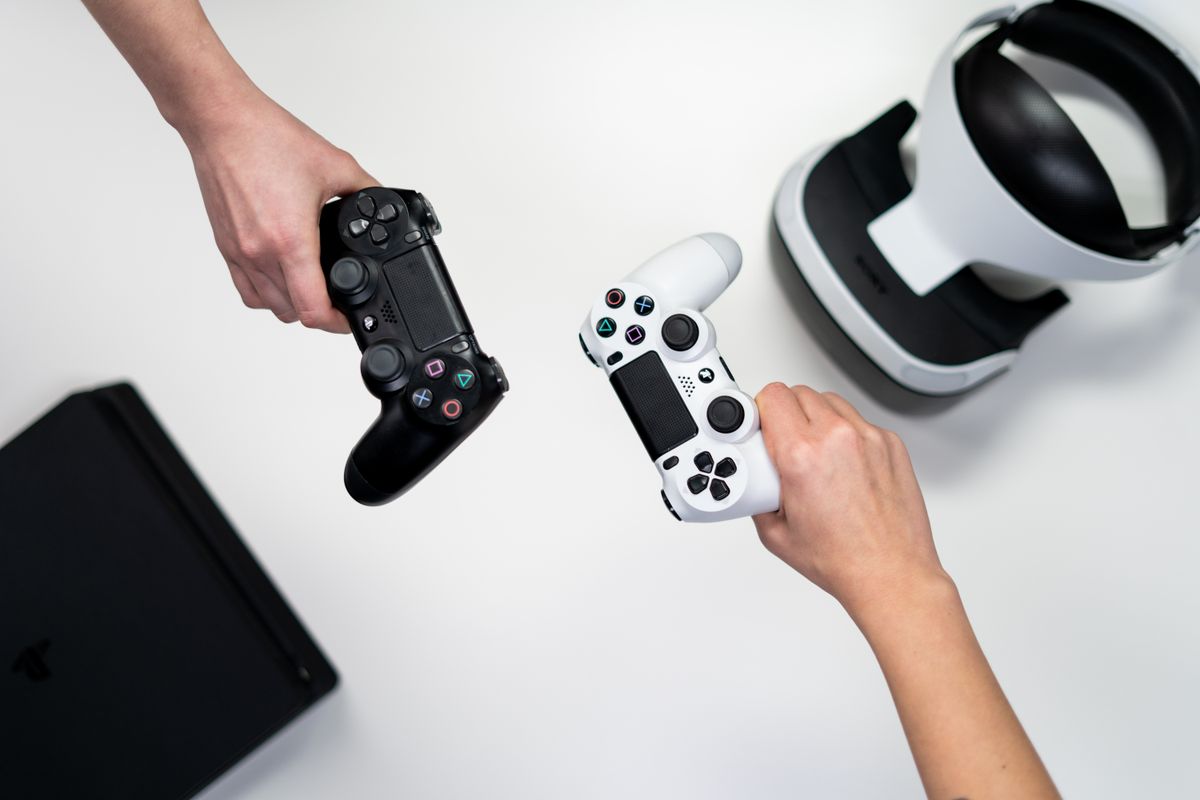
One of Rattleaxe Games’ primary objectives was creating a strategy game that feels intuitive with controllers while remaining satisfying for mouse-and-keyboard purists. Strategy games have historically struggled on controllers due to the precision required for unit selection and building placement. D.O.T. Defence solves this through simplified mechanics that translate beautifully to gamepad controls without sacrificing strategic options.
The team designed the interface from the ground up with controllers in mind rather than awkwardly adapting PC controls. Movement commands use right-click dragging to draw paths rather than individual waypoint clicks. Building menus organize logically for quick navigation with directional inputs. The result is a strategy game you can actually enjoy from your couch without constantly fighting the control scheme.

This design philosophy extends to the game’s pacing. Matches in skirmish mode stay short and focused, perfect for pick-up-and-play sessions. You’re not committing to hour-long slogs building massive bases. Quick matches mean you can actually finish games during limited play sessions, which matters enormously for players with full-time jobs, families, or other responsibilities who still love strategy games.
Content Breakdown and Future Plans
The Early Access launch included 9 campaign missions designed to teach fundamentals and present unique challenges. Rattleaxe Games plans to add 8 additional missions for each of the two factions, bringing the total to 25 missions when complete. The campaign serves dual purposes: teaching mechanics gradually to newcomers while offering specific challenges for experienced players seeking mastery.
Beyond the campaign, multiple wave defense maps provide relaxed solo or local co-op gameplay. These maps remove PvP pressure, letting you focus purely on optimization and defense without worrying about opponent strategies. The mode works beautifully for players who enjoy tower defense puzzle-solving more than competitive matches.

Skirmish maps support intense local multiplayer battles in 1v1, 2v2, or free-for-all formats against AI bots or friends sharing the couch. This local multiplayer focus recalls the golden age of split-screen gaming, when passing controllers around during game nights created memorable social experiences. D.O.T. Defence embraces that philosophy, prioritizing local play over online matchmaking.
Loadout Variety Creates Replayability
The game features 26 turrets, 12 commanders, and two factions, creating an enormous possibility space for different loadout combinations. Each commander brings unique abilities that charge during battles, similar to Advance Wars’ CO powers. Turrets range from basic cannons to specialized units handling specific threats. The two factions play distinctly enough to feel fresh without overwhelming new players with complexity.
This variety ensures matches don’t feel repetitive even after dozens of hours. Experimenting with different turret combinations, testing commander synergies, and adapting strategies to counter specific threats keeps the gameplay loop engaging. Early Access players have praised this depth, noting that while the mechanics are straightforward, mastering optimal builds and counters takes serious time investment.
The Godot Engine Advantage
Rattleaxe Games chose Godot for development, and that decision proved wise. The open-source engine’s user-friendly workflow helped a small team build a polished game without requiring massive budgets or publisher funding. Godot’s 2D capabilities shine in D.O.T. Defence’s colorful Advance Wars-inspired visuals, delivering smooth performance even during chaotic battles with dozens of units.
The game jam origins meant the team learned Godot while simultaneously designing core mechanics. That hands-on education through iterative development created a strong technical foundation. By the time they committed to full development, they understood the engine’s strengths and limitations intimately, allowing them to optimize performance and implement features efficiently.
Early Access Reception and Community Feedback
Player reactions since the April 2025 launch have been overwhelmingly positive. Community members on Reddit praised the controller implementation, noting how refreshing it feels to play a strategy game without being chained to a desk. The shorter match times received particular appreciation from players tired of RTS games demanding hour-long time commitments.
Some players requested additional content beyond the planned campaign missions, including more factions, additional turret types, and expanded multiplayer modes. Rattleaxe Games actively engages with feedback, responding to suggestions and incorporating viable ideas into their development roadmap. This transparent communication builds trust and keeps the community invested in the game’s ongoing development.
Frequently Asked Questions
When did D.O.T. Defence launch?
D.O.T. Defence entered Early Access on Steam in April 2025. The game remains in active development with planned content updates including additional campaign missions.
Who developed D.O.T. Defence?
Rattleaxe Games, a small indie studio based in Vancouver, British Columbia, Canada, developed the game. The project started as a game jam experiment focused on learning the Godot engine.
Can you play with controllers?
Yes, D.O.T. Defence was designed from the ground up to work intuitively with controllers while remaining satisfying for mouse and keyboard players. The simplified mechanics translate beautifully to gamepad controls.
Is there multiplayer?
D.O.T. Defence focuses on local multiplayer with 1v1, 2v2, and free-for-all modes against AI bots or friends sharing the same screen. The game emphasizes couch co-op rather than online matchmaking.
How long are matches?
Skirmish matches are designed to be quick and focused, much shorter than traditional RTS games. This makes D.O.T. Defence perfect for pick-up-and-play sessions without requiring hour-long time commitments.
What inspired the game?
D.O.T. Defence draws inspiration from StarCraft custom tower defense maps, Advance Wars’ visual style and faction mechanics, Tooth & Tail’s streamlined RTS approach, and Battalion Wars’ action-oriented unit control.
How many campaign missions are included?
Early Access launched with 9 campaign missions. The developers plan to add 8 additional missions for each of the two factions, bringing the total to 25 missions when development completes.
What engine was it built with?
Rattleaxe Games built D.O.T. Defence using the Godot engine. The project started as a learning experiment during a game jam, which eventually evolved into the full Early Access release.
Conclusion
D.O.T. Defence demonstrates what passionate indie developers can accomplish when they commit to iterative improvement rather than rushing to release. Starting as a game jam project focused on learning new tools, Rattleaxe Games recognized the potential in their experiment and invested years polishing it into something worthy of commercial release. The decision to prioritize controller support and shorter match times addressed real pain points in the strategy genre while the hybrid tower defense-RTS mechanics created a unique gameplay identity. The Godot engine choice proved wise, enabling a small team to build and optimize without requiring massive resources or publisher backing. Early Access reception validates their approach, with players praising the accessible yet deep gameplay that welcomes newcomers without boring veterans. For strategy fans tired of overwhelming complexity or hour-long match commitments, D.O.T. Defence offers something refreshingly different. The local multiplayer focus recalls the social gaming experiences many players miss from earlier console generations. And knowing this polished experience originated as a simple learning project should inspire other aspiring developers that starting small doesn’t mean staying small. Sometimes the best games emerge when developers give themselves permission to experiment, learn, and iterate without pressure to immediately create something massive.