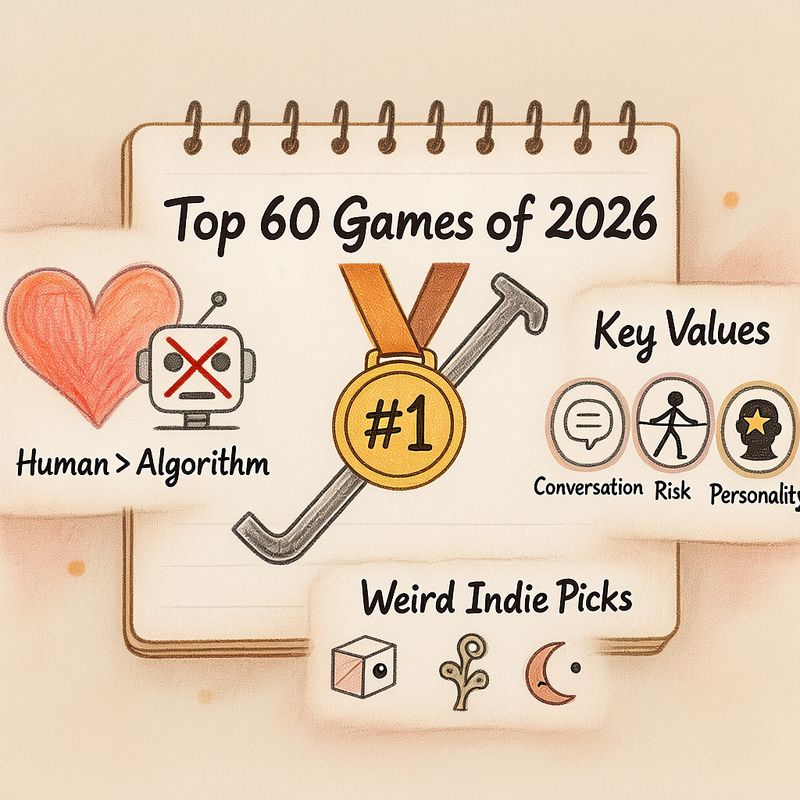
A Dutch gaming journalist dropped a fascinating top 60 games list on Reddit on January 5, 2026, but here’s the twist: it’s not the typical year-end retrospective ranking 2025’s releases. Instead, it’s a carefully curated list of the most anticipated games launching throughout 2026. And buried at the top? Half-Life 3, with the journalist openly admitting it’s pure hopium while simultaneously defending why putting impossible dreams on anticipation lists is perfectly valid.
When Hopium Becomes Content Strategy
The journalist, posting under the handle NotADishwasher, translated their original Dutch piece for the international gaming community. What makes the list refreshing is the complete transparency about what belongs and what’s wishful thinking. The number one spot goes to Half-Life 3, a game Valve has never officially announced and probably never will.
But here’s the beautiful justification: GTA 6 is finally real and launching in 2026. Before GTA 6, people thought GTA 6 would never happen. The journalist argues that if the impossible became possible with Rockstar’s magnum opus, why not extend that same energy to Valve? It’s delightfully irrational logic that somehow makes perfect sense if you’ve been waiting for Half-Life 3 since Episode 2 ended on that cliffhanger in 2007.
The Realistic Picks That Actually Matter
Beyond the hopium selection at number one, the list features plenty of legitimate 2026 releases worth discussing. Code Vein II appears on the list, the vampire soulslike sequel launching January 30 that’s already generating buzz from preview coverage. The journalist specifically calls out improvements from the original while maintaining cautious optimism about whether Bandai Namco learned the right lessons.
Other highlights include various indie darlings, metroidvanias (though notably the journalist admits loving roguelites more than metroidvanias despite the indie scene’s obsession), deck-building games inspired by Balatro’s success, and a curious entry called Cassette Boy described as involving boxing in a world of anthropomorphic animals. The variety showcases someone with genuinely eclectic taste rather than just regurgitating the obvious AAA blockbusters everyone’s already tracking.

The Oddball Inclusions
What separates interesting anticipation lists from boring ones is the weird stuff nobody else is talking about. This list delivers. There’s Tomodachi Living Dream, which the journalist doesn’t even try to explain beyond comparing it to Tomodachi Life. There’s a roguelite FPS in early access made by one person that apparently plays fantastically despite being a solo developer project.
One entry discusses a game that’s secretly not podracer despite looking exactly like podracer from Star Wars because licensing issues presumably prevented actual podracer. Another mentions a deckbuilder about soccer and trading cards that sounds like the kind of game you play by a fireplace with hot chocolate, which is oddly specific yet completely understandable as a vibe description.
Why Anticipation Lists Hit Different
Year-end retrospective lists ranking games that already released serve an obvious purpose. They help players catch up on stuff they missed and validate choices about what to prioritize from massive backlogs. But anticipation lists for the year ahead do something more interesting. They capture a moment of pure possibility before reality sets in.
Every game on an anticipation list exists in its most perfect form: the version in your head based on trailers, previews, and imagination. No performance issues, no disappointing story beats, no janky mechanics that reviewers will inevitably discover at launch. It’s gaming equivalent of Schrodinger’s cat, where every anticipated title is simultaneously the best and worst game of the year until players actually boot it up.
The GTA 6 Standard
The journalist makes an astute observation about GTA 6 fundamentally changing the conversation around impossibly delayed games. For over a decade, GTA 6 existed purely as a meme. People joked that Rockstar would keep milking GTA Online forever rather than moving forward. Then Rockstar finally confirmed it, showed actual gameplay footage, and set a firm fall 2026 release window.
That validation shifted the entire landscape of hopium-based speculation. If GTA 6 can happen after endless delays and radio silence, what other supposedly dead franchises might surprise us? Half-Life 3 remains the ultimate example, but the list could extend to countless other series fans have given up on seeing continued. The fact that a professional gaming journalist felt comfortable putting Half-Life 3 at number one on a serious anticipation list speaks volumes about how much the GTA 6 announcement changed expectations.
The Translation Challenge
One interesting aspect of this particular list is that it started in Dutch before being translated for the Reddit post. Gaming terminology doesn’t always translate cleanly between languages, and certain cultural references might land differently depending on your background. The journalist acknowledges this upfront, essentially saying they tried their best to make the list comprehensible to an English-speaking audience.
This raises questions about how regional gaming cultures develop different priorities and hype cycles. European gaming journalism often covers titles that American outlets ignore, particularly when it comes to PC-focused indie releases and simulators that don’t fit neat marketing categories. A top 60 list from a Dutch perspective probably includes entries that wouldn’t crack a similar American list, and vice versa.
When Lists Become Time Capsules
The real value of anticipation lists like this one emerges months or years later when you revisit them with the benefit of hindsight. How many of these 60 games will actually release in 2026? Which ones will get delayed into 2027 or beyond? What percentage will live up to expectations versus disappointing or surprising in unexpected ways?
There’s something genuinely charming about a gaming journalist being willing to commit their predictions to the record in such a specific format. It’s vulnerable in a way that carefully hedged preview coverage or non-committal hype articles aren’t. You can come back in December 2026 and see exactly which calls aged like wine versus milk, and that accountability matters.
The Compressed Gaming Calendar Problem
One thing the list implicitly highlights is how weirdly concentrated gaming releases have become. Major publishers increasingly target the same narrow release windows, creating feast-or-famine scenarios where players face too many great games at once followed by months of relative drought. An anticipation list helps identify when those concentrated periods will hit throughout 2026.
Smart players use lists like this for budget planning and backlog management. If you know February and March will dump ten must-play games simultaneously, you can adjust spending and time allocation accordingly. The alternative is impulse-buying everything as it launches, then burning out trying to keep pace with an unsustainable release schedule.
Why We Need More Weird Lists
The gaming media landscape desperately needs more personality-driven content like this translated Dutch top 60. Too much coverage feels algorithmically optimized and safely middle-of-the-road, designed not to alienate anyone rather than genuinely expressing individual taste. When a journalist admits their number one pick is a game that doesn’t exist and probably never will, that’s refreshing honesty.
The best gaming content comes from people willing to stake claims and defend unusual positions. Whether it’s arguing that Half-Life 3 belongs on a 2026 anticipation list or championing obscure indie projects nobody else is covering, those specific perspectives create actual value. Generic coverage can be generated by anyone or anything, including AI. Weird takes require human judgment.
FAQs About Gaming Anticipation Lists
What is a gaming anticipation list?
An anticipation list ranks upcoming games based on personal excitement and expectations before they release, unlike year-end lists that rank games after they’re available to play. They capture what players are looking forward to rather than evaluating finished products.
Why would someone put Half-Life 3 on a 2026 list?
The journalist argues that if GTA 6 can finally happen after being a meme for over a decade, other “impossible” games like Half-Life 3 shouldn’t be ruled out. It’s acknowledged as hopium, but the point is that impossible delays sometimes do end.
How do regional differences affect gaming lists?
European gaming journalism often prioritizes different titles than American outlets, particularly PC-focused indies and simulators. A Dutch journalist’s list will likely include games that wouldn’t appear on similar American lists and vice versa.
What makes a good anticipation list?
Good anticipation lists include personality, unusual picks beyond obvious AAA blockbusters, honest reasoning for choices, and willingness to take risks on controversial opinions. Generic lists that everyone could predict aren’t valuable.
When will Code Vein II release?
Code Vein II launches January 30, 2026 for PlayStation 5, Xbox Series X|S, and PC. A Character Creator Demo releases January 23, 2026, one week before the full game.
Why do journalists make lists for unreleased games?
Anticipation lists help players plan purchases and time management throughout the year, identify when concentrated release windows will occur, and capture a moment of pure possibility before reality sets in with actual reviews and reception.
How accurate are anticipation lists usually?
Most games on anticipation lists either get delayed, disappoint compared to expectations, or surprise in unexpected ways. The value comes from looking back with hindsight to see which predictions aged well versus poorly.
What’s the point of ranking games that aren’t out yet?
Ranking unreleased games reflects personal excitement levels based on available information like trailers and previews. It’s subjective and speculative by nature, but it helps organize thinking about what to prioritize when games actually launch.
Conclusion
The Dutch journalist’s top 60 games of 2026 list ultimately does what great gaming content should do: it starts conversations, takes risks, and reveals personality behind the analysis. Whether you agree with putting Half-Life 3 at number one or think that’s ridiculous doesn’t really matter. What matters is that someone cared enough to translate their carefully considered opinions and share them with the international gaming community, knowing full well that plenty of their picks will age poorly.
That vulnerability is valuable. In an industry increasingly dominated by carefully managed messaging and corporate-approved talking points, a journalist willing to say “I believe Half-Life 3 will release in 2026 and here’s my irrational justification” represents the kind of human perspective algorithms can’t replicate. So here’s to hopium-fueled anticipation lists, weird indie picks nobody else is talking about, and gaming journalists willing to look silly in retrospect. Those are the lists worth reading, even when – especially when – they’re absolutely wrong about everything.