Electronic Arts just crossed a point of no return. On December 22, 2025, EA shareholders voted overwhelmingly in favor of the largest leveraged buyout in Wall Street history, a $55 billion deal that will hand control of the gaming giant to Saudi Arabia’s Public Investment Fund. The vote wasn’t even close – 99% said yes.
Over 201 million votes supported the buyout, while only 1.9 million opposed it, with roughly 90,000 abstentions. Shareholders will pocket $210 per share in cash, representing a 25% premium over pre-announcement trading prices. After 40 years as a publicly traded company, EA is about to disappear from stock exchanges and operate under a completely different ownership structure.

Who’s Actually Buying EA
The deal involves three major players, but make no mistake about who’s really in charge. Saudi Arabia’s Public Investment Fund will own a staggering 93.4% of Electronic Arts once the transaction closes. Silver Lake Partners, a US private equity firm, will hold 5.5% of shares, while the remaining fraction goes to other investors including Jared Kushner’s Affinity Partners.
The consortium is putting up $36 billion in equity investment, with another $20 billion coming from debt financing arranged through JPMorgan. This leverage is what makes it officially the biggest leveraged buyout ever recorded, surpassing the private equity megadeals of previous decades. For context, this is the second-largest gaming acquisition overall, only beaten by Microsoft’s $69 billion purchase of Activision Blizzard.
What Changes for EA
Going private gives EA something it hasn’t had in decades – freedom from quarterly earnings reports and short-term investor pressure. Glu Mobile CEO Nick Earl, who works under the EA umbrella, praised the move as giving the company much more freedom to plan the next decade of games, content, and services without Wall Street breathing down their necks every three months.
EA CEO Andrew Wilson will remain in his position, and the management team stays intact. Wilson described the agreement as a powerful acknowledgment of the company’s achievements and expressed enthusiasm about collaborating with new partners. Whether that enthusiasm is genuine or corporate speak remains to be seen, but the reality is EA’s direction will now be determined by Saudi Arabia’s strategic interests rather than public shareholders.
The Money Machine Behind This
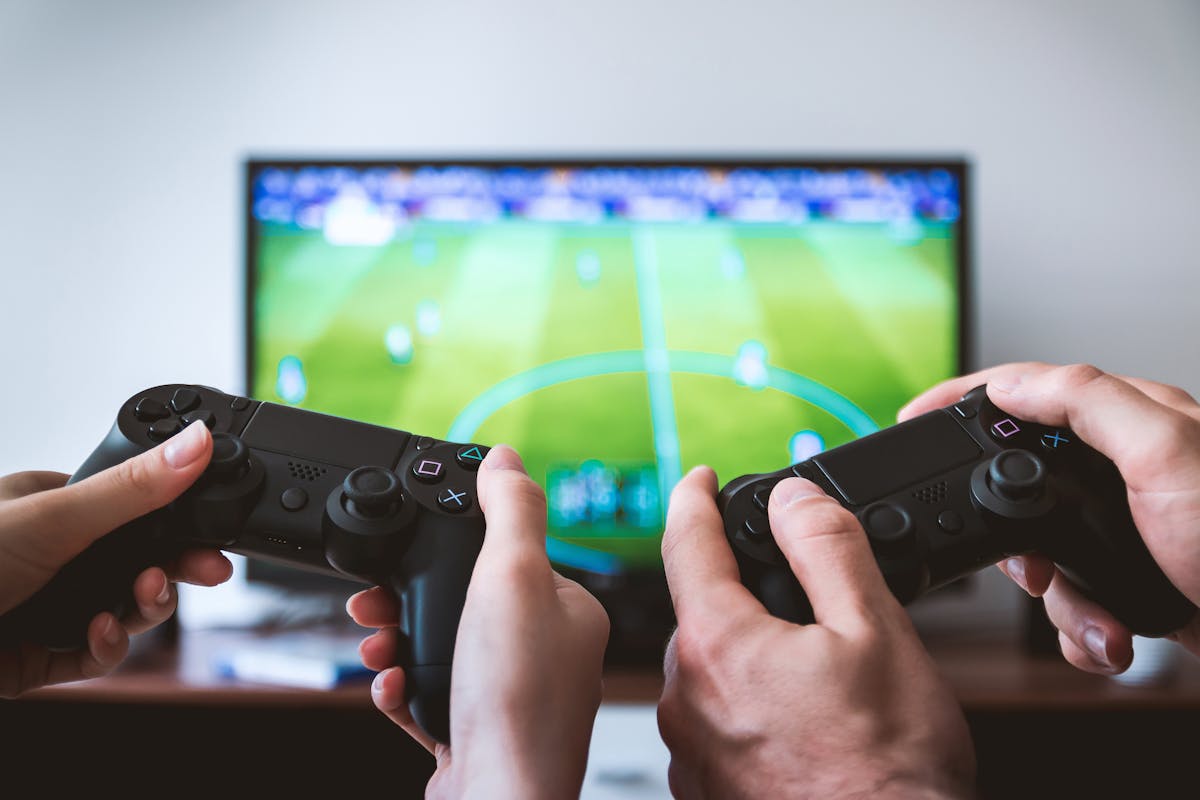
EA isn’t just any gaming company – it’s a cash-printing operation built on annual sports franchises and microtransactions. The publisher generates billions yearly from its Ultimate Team modes alone, where players spend real money on virtual card packs in games like EA Sports FC (formerly FIFA), Madden NFL, and NHL. That’s on top of the $70 base price for each game.
This lucrative catalog serves both Western and European markets with precisely tailored sports experiences. EA Sports FC dominates soccer gaming globally, Madden owns American football, and the company maintains strong positions in hockey, basketball, and other sports. These annualized releases provide predictable, recurring revenue that makes EA particularly attractive to investors looking for stable returns.
Beyond sports, EA controls major franchises like Battlefield, The Sims, Mass Effect, Dragon Age, and Apex Legends. The Sims franchise alone has been a cultural phenomenon for over two decades, while Apex Legends brought EA into the lucrative battle royale market with over 100 million players.
National Security Concerns Emerge
Not everyone thinks this deal is a slam dunk. Two US Senators sent a letter to Treasury Secretary Scott Bessent urging him to apply searching scrutiny to this unprecedented, proposed foreign privatization of a major American technology and entertainment company. They’ve requested detailed information on how the Committee on Foreign Investment plans to address potential national security risks.
The Senators allege that PIF’s strategic investments in sports, video games, and cultural institutions are less about making money and more about leveraging long-term shifts in public opinion of Saudi Arabia. They’re essentially accusing the kingdom of using gaming as soft power to improve its international image following controversies around human rights issues.
There’s also skepticism about Jared Kushner’s involvement through Affinity Partners. The Senators suggest his firm is only included to make the deal more palatable to US regulators, given Kushner’s connections to the Trump administration. Kushner formed Affinity Partners in 2021 shortly after leaving his White House role, and the firm reportedly received $2 billion from the Saudi PIF as its anchor investment.
What This Means for Game Development
The big question hanging over this deal is how Saudi ownership will affect EA’s creative output. Will we see changes to game content based on cultural or political considerations? Will controversial themes be avoided? Will there be pressure to create games that align with Saudi Arabia’s Vision 2030 initiative to diversify its economy and boost its global cultural influence?
EA’s most vulnerable studios might face particular scrutiny. BioWare, the developer behind Mass Effect and Dragon Age, has delivered three consecutive disappointments with Mass Effect Andromeda, Anthem, and the poorly-selling Dragon Age: The Veilguard. The studio is currently working on a new Mass Effect game, and its future could hang in the balance if that project doesn’t deliver.
On the flip side, going private could actually benefit game quality if it removes pressure for constant monetization and rushed releases. EA has been criticized for years over aggressive microtransactions, loot boxes, and annual releases that feel iterative rather than innovative. Without quarterly earnings pressure, there’s at least theoretical room for longer development cycles and more creative risk-taking.
Regulatory Hurdles Still Ahead
The shareholder vote was the easy part. Now comes regulatory review from US government agencies, particularly the Committee on Foreign Investment in the United States. Given the concerns already raised by Senators and the unprecedented nature of a major American gaming publisher going under majority foreign government ownership, approval isn’t guaranteed.
Microsoft’s Activision Blizzard acquisition took over a year to clear regulatory hurdles across multiple countries. That deal faced intense scrutiny over competition concerns, with Microsoft ultimately forced to make concessions like giving Ubisoft cloud gaming rights. The EA deal faces different but potentially more complex issues around national security and foreign influence.
If regulators block the deal, EA remains a public company and shareholders don’t get their premium payout. If it’s approved with conditions, we might see restrictions on what data can be shared, where certain operations can be located, or how the company operates in sensitive areas.
Saudi Arabia’s Gaming Ambitions
This EA acquisition represents Saudi Arabia’s most aggressive move yet into gaming. The PIF already owns stakes in Nintendo, Capcom, Nexon, and other gaming companies. Through its Savvy Games Group subsidiary, Saudi Arabia has invested over $38 billion in gaming and esports ventures. The kingdom is also building a massive gaming hub in Riyadh and hosting major esports tournaments.
Critics view this as sportswashing or in this case, gamewashing – using sports and entertainment investments to rehabilitate Saudi Arabia’s international image while distracting from human rights concerns. Supporters argue it’s simply smart economic diversification as the country prepares for a post-oil future. Either way, Saudi money is reshaping the gaming landscape whether the industry likes it or not.
Frequently Asked Questions
How much did EA shareholders approve the buyout by?
EA shareholders approved the $55 billion buyout by an overwhelming margin – 99% voted in favor. Over 201 million votes supported the deal while only 1.9 million opposed it, with roughly 90,000 abstentions according to SEC filings.
How much will EA shareholders receive per share?
Shareholders will receive $210 per share in cash, which represents a 25% premium over EA’s trading price before the deal was announced. This is an all-cash transaction with no stock component.
Who is buying Electronic Arts?
A consortium led by Saudi Arabia’s Public Investment Fund is acquiring EA. The PIF will own 93.4% of the company, while Silver Lake Partners will own 5.5%. Jared Kushner’s Affinity Partners is also involved as a minority investor.
Is the EA deal approved and finalized?
The shareholder vote is complete and approved, but the deal still requires regulatory approval from US government agencies before it can close. The Committee on Foreign Investment in the United States will review the transaction for national security concerns.
Will EA games change under Saudi ownership?
It’s unclear. EA management will remain in place with CEO Andrew Wilson continuing to lead the company. Going private could allow for longer development cycles without quarterly earnings pressure, but there are concerns about potential content changes based on Saudi cultural or political considerations.
Is this the biggest buyout in history?
Yes, this is the largest leveraged buyout ever recorded at $55 billion. It’s also the second-largest gaming acquisition overall, behind only Microsoft’s $69 billion purchase of Activision Blizzard. The deal involves $36 billion in equity and $20 billion in debt financing.
When will the EA buyout close?
No specific closing date has been announced. The deal must first clear regulatory review, which could take many months. Analysts don’t expect it to finalize until sometime in 2026 at the earliest.
Why are US Senators concerned about the EA sale?
Two US Senators have raised national security concerns about foreign government control of a major American technology and entertainment company. They’ve questioned whether Saudi Arabia’s gaming investments are more about influencing public opinion than generating financial returns.
The End of an Era
Electronic Arts going private marks the end of a 40-year run as one of gaming’s most prominent public companies. Founded in 1982, EA grew from a small publisher championing game designers as artists to a multinational corporation controlling some of the industry’s biggest franchises. Whether privatization under Saudi ownership represents a new beginning or a concerning precedent depends entirely on who you ask.
For shareholders, the math is simple – they’re getting a 25% premium and cashing out with guaranteed money. For gamers, employees, and industry observers, the implications are far more complicated. This deal could reshape how major gaming companies operate, who controls them, and what factors drive creative decisions. One thing is certain – the gaming landscape just shifted in a major way, and we won’t fully understand the consequences for years to come.