The video game industry just recorded its worst November in decades. According to Circana’s latest market report released on December 17, 2025, hardware unit sales and physical software spending both hit historic lows not seen since 1995. Only 1.6 million console units sold during November, barely edging out November 1995’s 1.4 million. Hardware spending collapsed 27 percent year-over-year to just $695 million, the lowest November total since 2005. Physical software spending fell 14 percent compared to November 2024, marking an all-time low for the month since tracking began three decades ago.
Every Console Platform Suffered
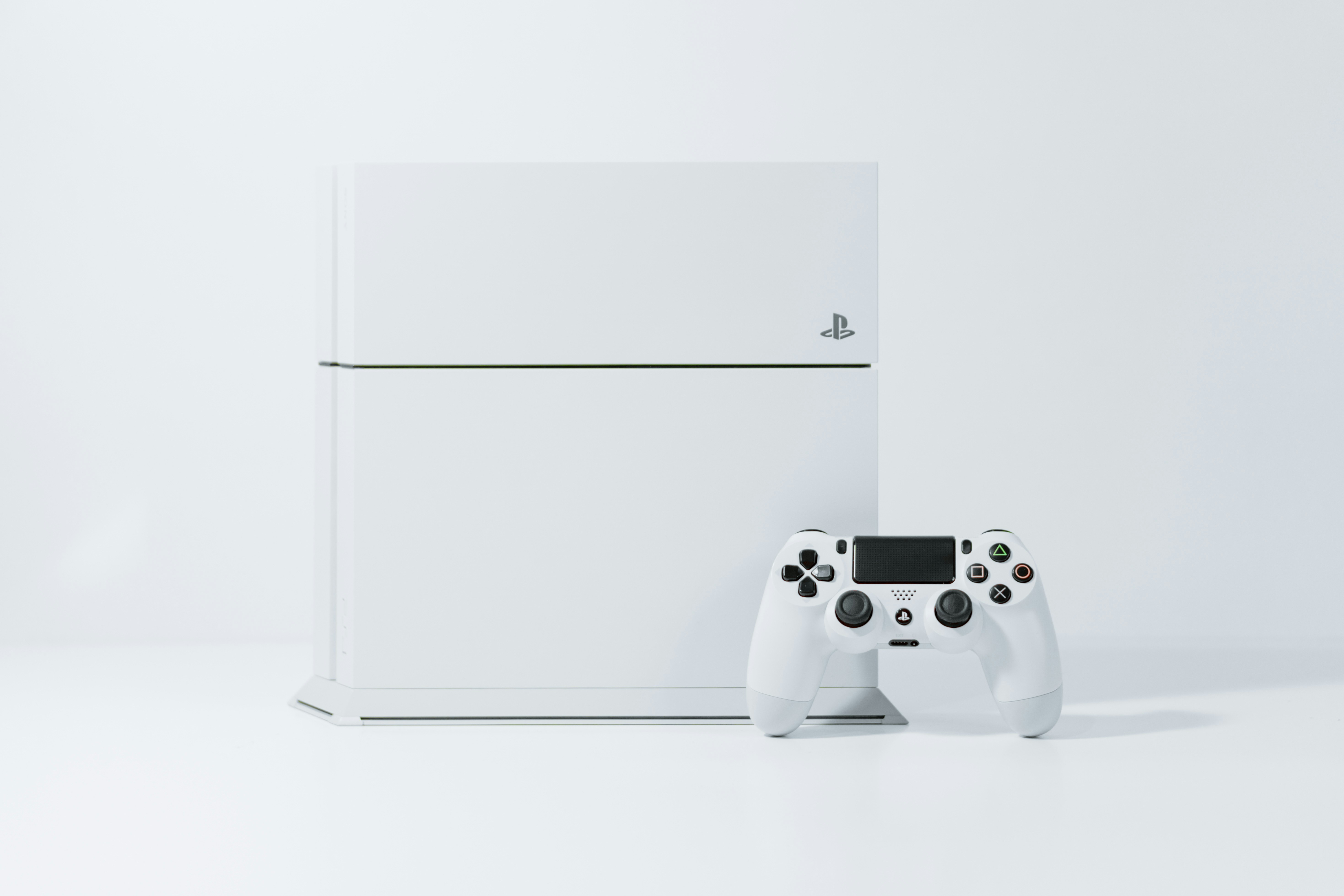
All three major console manufacturers experienced painful declines. Xbox had it worst, reaching an all-time November low for unit sales in the United States. PlayStation 5 sales dropped despite the recent Pro model launch, which accounted for 26 percent of all PS5 systems sold during the month. Nintendo Switch continued its inevitable decline as the platform approaches the end of its lifecycle, with consumers clearly waiting for Switch 2 before making new hardware purchases.
The hardware crash happened despite Black Friday promotions and holiday shopping momentum. Mat Piscatella, senior director at Circana, noted this represents the lowest hardware spending November has seen in 20 years. The lack of compelling new hardware releases combined with an aging console generation created perfect conditions for consumers to delay purchases. Nobody wants to buy a PlayStation 5 or Xbox Series X three years into the generation when mid-cycle refreshes and potential successors loom on the horizon.
Digital Killed The Physical Star
The physical software collapse tells an even bleaker story for traditional retail. Spending on boxed games dropped to the lowest November level ever recorded. This isn’t surprising when you consider broader trends. Physical game spending in the United States has been cut in more than half since 2021 and now sits 85 percent below its 2008 peak. The rate of decline actually accelerated in 2024 and 2025, suggesting the death spiral is speeding up rather than stabilizing.

Europe shows similar patterns, with 90 percent of gaming revenue coming from digital sources in 2024. Physical game sales in Europe dropped from 20 percent of revenue in 2020 to just 10 percent in 2024, cut in half in four years. Sony’s corporate reports reveal that physical software sales now represent only 3 percent of PlayStation revenue, down from 6 percent before the PS5 launched. These aren’t temporary declines. This is a permanent structural shift in how people buy and consume games.
Why Physical Is Dying
Multiple factors are accelerating physical media’s demise. Digital games cost publishers nothing to manufacture, ship, or distribute. Retailers take smaller cuts than brick-and-mortar stores. Sales happen instantly without inventory management. Pre-loading means players can start the moment games unlock. Updates and patches download automatically. No discs get scratched or lost. Game sharing happens through account features instead of physical loans.
For consumers, convenience overwhelms the benefits of ownership. Digital libraries follow you across devices. You never need to swap discs. Games never sell out or require hunting down copies. Sale prices often beat retail discounts. The psychological barrier of buying digital versus physical has evaporated for most players under 30 who grew up with smartphones and streaming services. Physical games increasingly appeal only to collectors and preservationists worried about long-term access.
The Content Spending Paradox
Here’s the twist that makes this data more complicated. Despite hardware and physical software tanking, total video game content spending actually grew 1 percent compared to November 2024, reaching $4.8 billion. Subscription spending increased 16 percent, and mobile spending grew 2 percent. These gains offset declines in console and PC content spending. People aren’t spending less money on games. They’re spending it differently, through subscriptions like Xbox Game Pass and PlayStation Plus, through mobile free-to-play titles, and through digital storefronts.
This explains why the industry remains financially healthy despite catastrophic retail numbers. Publishers don’t care if you buy physical discs as long as you buy the game somehow. Game Pass subscribers generate recurring revenue. Free-to-play mobile games print money through microtransactions. Digital storefronts eliminate middlemen and maximize profit margins. The death of physical retail hurts GameStop more than it hurts Activision or EA.
Call of Duty’s Rough Year
Even Call of Duty felt the pain, with Circana reporting double-digit percentage dollar sales decline for Black Ops 6 compared to Modern Warfare 3 the previous November. This happened despite Black Ops 6 being the best-selling game of 2024 overall. The franchise remains dominant but faces questions about whether it can maintain cultural relevance as younger players gravitate toward free-to-play alternatives like Fortnite and Valorant.
Black Ops 6’s launch timing complicated comparisons. The game released in October 2025, while Modern Warfare 3 launched in November 2024. October’s elevated numbers from Black Ops 6 meant November sales naturally declined as the initial rush settled. Still, the year-over-year decline suggests franchise fatigue might finally be catching up to annual Call of Duty releases. Industry analysts are now predicting Battlefield 6 could potentially outsell the next Call of Duty in 2026, something that seemed impossible just a few years ago.
What This Means For Switch 2
Nintendo faces a critical test with Switch 2’s launch in 2026. The November 2025 hardware collapse happened partly because consumers are waiting for next-generation systems. If Switch 2 launches successfully with strong software support, it could single-handedly reverse the hardware spending decline and inject energy back into physical game sales. Nintendo remains committed to physical media with Switch 2 supporting cartridges, potentially making it the last major gaming platform to offer physical games as standard.
However, Nintendo’s track record shows even they’re embracing digital. The Switch eShop generated massive revenue, and digital sales percentages have climbed steadily throughout the platform’s lifecycle. Switch 2 supporting physical media might be more about maintaining retail relationships and satisfying collectors than genuine belief in physical’s long-term viability. The question is whether parents buying consoles for kids will keep purchasing physical games or transition to digital purchases like everyone else.
Frequently Asked Questions
Why did gaming hardware sales fall so much in November 2025?
Multiple factors contributed including aging console generation, consumers waiting for next-gen systems like Switch 2, lack of compelling new hardware releases, and economic uncertainty affecting discretionary spending.
Are video games becoming less popular?
No. Total content spending grew despite hardware and physical software declines. Players are shifting spending toward digital games, subscriptions, and mobile rather than abandoning gaming.
How bad is physical game sales decline?
Physical game spending in the US is now 85 percent below its 2008 peak and has been cut in more than half since 2021. The rate of decline accelerated in 2024-2025.
Will physical games disappear completely?
Likely within the next console generation or two. Current trends suggest physical media will become a niche product for collectors rather than the primary distribution method.
Which console sold best in November 2025?
PlayStation 5 led in both dollar spending and unit sales for November 2025, though all platforms experienced year-over-year declines.
Did Black Friday help game sales this year?
Not enough to prevent historic lows. Despite holiday promotions, November 2025 still recorded the worst hardware and physical software performance since 1995.
Why is Xbox struggling more than PlayStation?
Xbox Series consoles hit an all-time November low for unit sales. Microsoft’s strategy of bringing first-party games to PlayStation and focusing on Game Pass over hardware sales has eroded the value proposition of owning an Xbox console.
What percentage of game sales are digital now?
In Europe, 90 percent of gaming revenue comes from digital sources. In the US, physical software represents a shrinking minority of total game spending, likely below 15 percent and falling rapidly.
The Retail Apocalypse Continues
This November’s disastrous numbers confirm what industry watchers have known for years. The transition from physical to digital gaming is accelerating, not stabilizing. GameStop and other specialty retailers face existential threats as their core business model evaporates. Publishers will continue deprioritizing physical releases, making them collector’s editions rather than standard options. Walmart and Target will shrink gaming sections further, dedicating that shelf space to products that actually move. The November 1995 comparison isn’t just a statistical curiosity. It marks how far the industry has fallen from physical media’s glory days. Back then, low hardware sales meant gaming was struggling. Now it means gaming has evolved beyond traditional retail into something fundamentally different. Whether that’s progress or loss depends on your perspective, but either way, there’s no going back.