After months of trademark leaks and cryptic social media activity, HoYoverse finally confirmed its long-rumored Project City of Rain is real. Varsapura, whose name combines the Sanskrit words Varsha (rain) and Pura (city), emerged November 20, 2025, through an extensive 31-minute gameplay demonstration uploaded to a newly created YouTube channel. Built on Unreal Engine 5, the game represents a dramatic departure from HoYoverse’s colorful anime aesthetics in Genshin Impact [finance:Cognosphere Pte. Ltd.], Honkai: Star Rail, and Zenless Zone Zero, instead presenting a psychological horror action-adventure set in a meticulously recreated modern-day Singapore plagued by shadow creatures and an infectious substance called Mindrot. Players assume the role of a Hollowone joining SEAL (Shadow Emergency Alliance) to investigate parapsychological phenomena while swapping between multiple characters with distinct combat abilities in what appears to be a live service action RPG blending Silent Hill’s oppressive atmosphere with Death Stranding’s mysterious environmental hazards. No platforms, release date, or business model were announced, with the demo explicitly functioning as recruitment material for developers in HoYoverse’s Shanghai, Singapore, and Los Angeles offices.
The 31-Minute Demo Breakdown
The gameplay demonstration begins on a rainy day following the protagonist, referred to as Hollowone, arriving for a job interview with SEAL. After signing mysterious agreements and meeting officers Simmons and Sayuki, she immediately enters hands-on evaluation involving defeating shadow creatures, rescuing civilians, and proving psychological stability under supernatural pressure.
Once successful, a mysterious figure known as Mr. Shadow makes his first appearance, hinting at central importance to the narrative. The demo’s tone shifts dramatically as the world opens up, with the protagonist and Sayuki engaging shadow monsters in real-time combat before pausing to drink canned Americanos as the sun sets. This jarring tonal contrast between horror and mundane social moments creates cognitive dissonance that feels deliberately unsettling.
The combat system showcases character-swapping mechanics where Sayuki uses police documents as weapons, summoning enlarged stacks to crush enemies with elemental skills and calling forth massive document barrages as ultimate abilities. Stealth assassination systems let players sneak behind enemies for instant kills before formal combat begins, though reactions suggest this mechanic feels underdeveloped compared to dedicated stealth games.
At the 21-minute mark, the demo transitions to driving sequences featuring the protagonist and Sayuki cruising through meticulously recreated Singapore streets from Bencoolen to Dempsey Hill. Buildings, roads, and landmarks match real-world counterparts with striking accuracy, creating eerie familiarity for players who recognize these locations transformed by supernatural corruption.
Environmental hazards include Mindrot, black goop filling locations that players must avoid touching, directly evoking Death Stranding’s tar. This substance apparently connects to mindrotting outbreaks affecting individuals, though the demo provides limited context about its origins or broader narrative significance.
The Singapore Setting
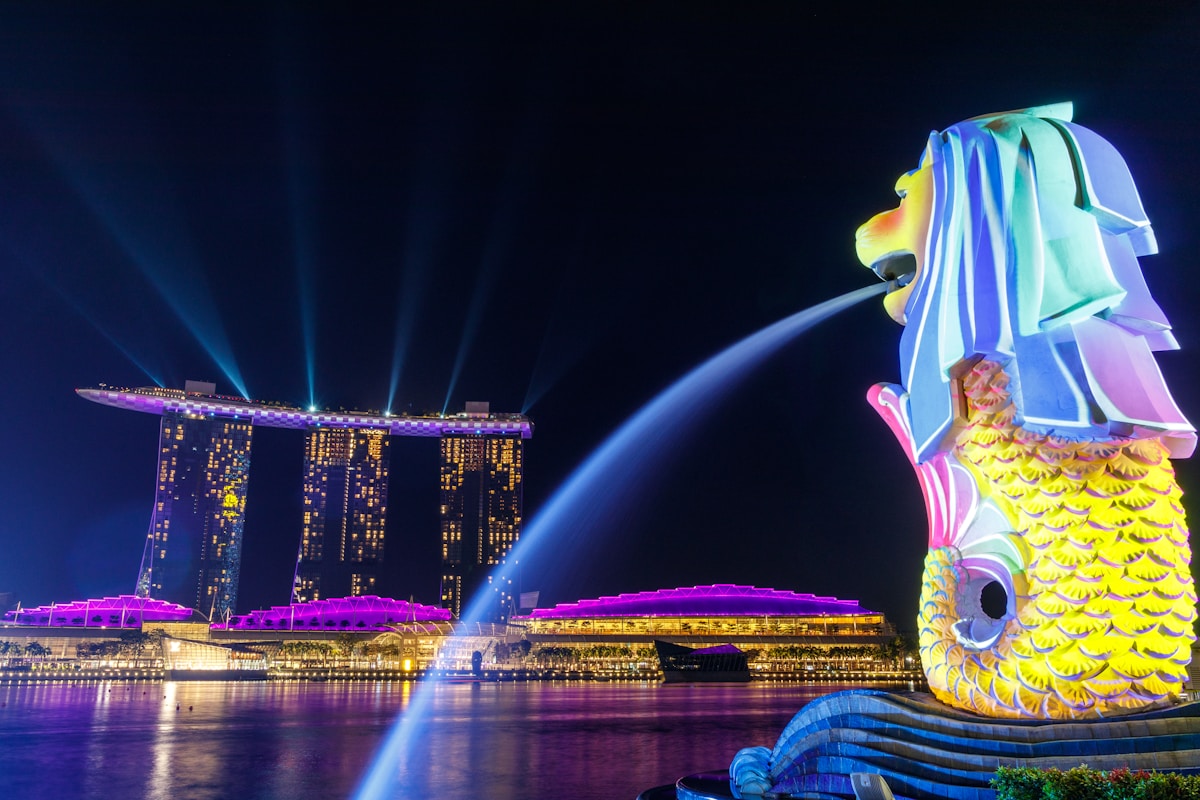
Community discussion immediately identified Varsapura’s environment as unmistakably Singapore. Multiple sequences showcase accurately rendered buildings and infrastructure matching the city-state’s distinctive architecture. The name itself plays on Singapura, Singapore’s name in Malay, with Varsha (rain) replacing Singa (lion) to create the City of Rain moniker that fits the demo’s perpetually wet environments.
This choice represents significant cultural milestone for Southeast Asian representation in AAA gaming. While games occasionally feature Southeast Asian aesthetics as exotic backdrops, Varsapura appears to treat Singapore’s urban landscape, cultural elements, and modern identity as central rather than ornamental. HoYoverse operates a Singapore office, potentially explaining both the setting choice and the meticulous recreation accuracy.
However, the decision to set a horror game in fictionalized Singapore raises potential sensitivities. Singapore maintains strict media regulations and cultural conservatism that could complicate a game depicting the nation as overrun by supernatural horrors and psychological plagues. Whether HoYoverse navigates these considerations successfully or faces controversy remains to be seen.
The perpetual rain creates oppressive atmosphere matching psychological horror conventions where weather reflects internal dread. Gray skies, wet pavement reflecting neon lights, and constant precipitation evoke noir detective fiction and films like Blade Runner more than typical HoYoverse color palettes.
Art Style Controversies
Community reactions highlighted stark contrast between Varsapura’s anime character models and photorealistic environmental rendering. Characters feature HoYoverse’s signature anime aesthetics with expressive faces, colorful designs, and exaggerated proportions, while the world presents gritty modern urban realism with detailed textures, realistic lighting, and grounded architecture.
This juxtaposition divided opinions. Some players embraced the stylistic clash as intentionally surreal, arguing it enhances the psychological horror by creating uncanny valley dissonance where nothing feels quite right. Others criticized it as aesthetically incoherent, suggesting anime characters belong in fantasy worlds like Genshin Impact rather than realistic modern cities.
The Unreal Engine 5 implementation showcases impressive technical capabilities including detailed environmental destruction, advanced lighting systems, and fluid character animations. However, some observers noted performance appeared uneven with occasional frame drops during busy combat sequences, though this could improve before release given the demo’s work-in-progress status.
Combat System Concerns
The most common criticism targeted combat mechanics that appeared to recycle HoYoverse’s established formula from Genshin Impact and Zenless Zone Zero. Players execute basic attack strings, elemental skills on cooldowns, and ultimate abilities that fill through combat, with character swapping enabling combination attacks and elemental reactions.
Reddit discussion expressed frustration that a game with such distinctive setting and atmosphere defaults to familiar gacha game combat rather than innovating systems appropriate for psychological horror. Commenters suggested stealth, resource management, survival mechanics, or psychological pressure systems would better serve the premise than punch-skill-ultimate rotations optimized for mobile monetization.
Defenders countered that the demo shows early content designed for onboarding rather than advanced gameplay, arguing final systems might introduce complexity not demonstrated in recruitment footage. However, skepticism remains warranted given HoYoverse’s established design philosophy across multiple games using nearly identical combat frameworks.
The Mindrot Mystery
Mindrot functions as Varsapura’s central mysterious threat, an infectious black substance causing psychological disruptions and shadow creature manifestations. The name suggests mental degradation or corruption, with mindrotting apparently describing outbreak events affecting individuals’ cognitive stability.
The substance’s visual presentation as encroaching goop filling environments directly parallels Death Stranding’s tar, creating similar navigation challenges where players must avoid contaminated zones while finding safe paths through corrupted areas. Whether Mindrot possesses unique mechanical properties beyond obstacle designation remains unclear from demo footage.
DAWN, an AI assistant providing operational support during missions, monitors Mindrot exposure and cognitive stability while offering mission guidance. This creates systematic framing where psychological horror elements integrate with gameplay through measurable stats and buffs/debuffs rather than pure atmospheric dread.
The demo references Cognosea disruption events and parapsychological effects requiring monitoring and containment. This pseudo-scientific terminology grounds supernatural elements in bureaucratic organizational structures reminiscent of Control’s Federal Bureau of Control or SCP Foundation collaborative fiction, where agencies treat paranormal phenomena as manageable problems requiring proper procedures.

Business Model Speculation
While HoYoverse hasn’t confirmed Varsapura’s monetization approach, the combat systems, character collection mechanics, and developer’s established business model strongly suggest free-to-play live service with gacha character acquisition similar to their other games. The demo showcases multiple playable characters with distinct abilities, implying roster expansion through updates rather than one protagonist with customization options.
This creates tension between psychological horror narrative and gacha economics. Horror games traditionally work through scarcity, vulnerability, and consequences where resources matter and failure carries weight. Free-to-play gacha games require power creep, collection incentives, and rotation-based combat where players want to use newly acquired characters rather than feel restricted or punished.
HoYoverse’s track record demonstrates they can successfully balance narrative experiences with monetization through Genshin Impact’s story quests and Honkai: Star Rail’s character-driven plots. However, those games embrace fantasy wish fulfillment power fantasies rather than oppressive psychological dread. Whether Varsapura maintains horror atmosphere while serving gacha economic incentives presents significant design challenge.
Development Timeline and Platforms
HoYoverse filed the Varsapura trademark in July 2025 and launched associated social media accounts, beginning the project’s public existence just four months before the gameplay reveal. However, internal development likely started significantly earlier given the demo’s polish and scope.
The demo explicitly states it functions as recruitment material, with HoYoverse actively hiring developers in Shanghai, Singapore, and Los Angeles to work on Varsapura. This suggests the project remains in active production rather than approaching completion, with no release timeline announced or hinted.
Platform details weren’t disclosed, though the demo ran on PC using Nvidia RTX 4090 graphics cards. Given HoYoverse’s multi-platform strategy across their other games, expect PlayStation 5, mobile devices, and potentially Xbox Series consoles alongside PC when Varsapura eventually launches. The Unreal Engine 5 implementation and visual fidelity suggest this won’t release on previous generation hardware.
Frequently Asked Questions
When does Varsapura release?
No release date or window has been announced. HoYoverse is actively recruiting developers to work on the project, suggesting significant development time remains before launch.
What platforms is Varsapura coming to?
Platform details haven’t been confirmed, though the demo ran on PC. Based on HoYoverse’s multi-platform strategy, expect PlayStation 5, PC, mobile, and potentially Xbox Series consoles eventually.
Is Varsapura free-to-play?
The business model hasn’t been officially announced, though combat systems and character collection mechanics suggest free-to-play gacha model similar to Genshin Impact and HoYoverse’s other games.
Where is Varsapura set?
Varsapura takes place in a fictionalized version of Singapore, with environments accurately recreating real-world locations like Bencoolen and Dempsey Hill transformed by supernatural corruption.
What is Mindrot in Varsapura?
Mindrot is an infectious black substance causing psychological disruptions and shadow creature manifestations. Players must avoid touching it while navigating contaminated environments.
Is Varsapura the same as HoYoverse’s fantasy MMORPG?
No, Varsapura is separate from the Unreal Engine 5 fantasy MMORPG HoYoverse teased recently. Both are distinct projects in the company’s expanding portfolio.
Can you customize your character in Varsapura?
The demo’s description cryptically states the protagonist’s appearance shifts to match each viewer’s preferences, suggesting possible character customization though details remain unclear.
Conclusion
Varsapura represents HoYoverse’s most ambitious departure from established comfort zones, trading vibrant fantasy escapism for oppressive psychological horror in meticulously recreated modern Singapore. Whether this experiment succeeds depends entirely on execution details the 31-minute demo couldn’t fully convey: how gacha economics integrate with horror narrative, whether combat evolves beyond familiar formulas, and if the studio can maintain atmospheric dread across dozens of hours required for live service retention. The technical foundation looks solid, the setting feels genuinely unique for AAA action games, and HoYoverse’s proven development capabilities suggest they might pull off something special. For now, Varsapura remains intriguing mystery wrapped in recruitment video disguised as gameplay reveal, promising much while confirming little beyond this: the City of Rain exists, shadows lurk within it, and someday players will discover whether those shadows hide compelling game or simply another gacha grind wearing horror costume.