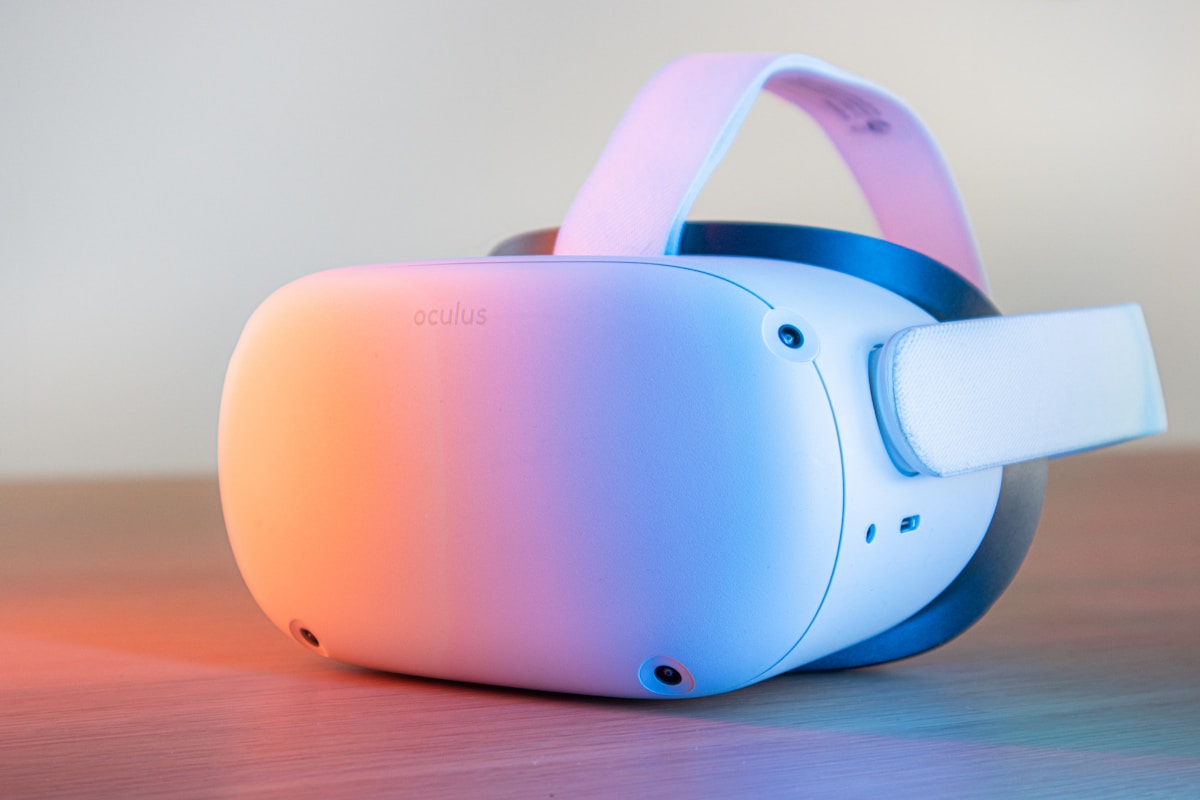
Marvel’s Deadpool VR launched on November 18, 2025, exclusively for Meta Quest 3 and Quest 3S, bringing the Merc with a Mouth to virtual reality with all the violence, fourth-wall breaks, and absurdity you’d expect. Developer Twisted Pixel Games clearly understands what makes Deadpool work, delivering gorgeous cel-shaded visuals and relentless humor voiced by Neil Patrick Harris. But reviews reveal a game that captures the character perfectly while struggling with the fundamentals of VR combat and technical performance.
Early review scores place Deadpool VR in the 7 to 8 out of 10 range across most outlets, with OpenCritic showing it as a strong performer but not quite reaching the heights of Batman: Arkham Shadow, which launched last year as the gold standard for superhero VR experiences. The consensus seems to be that when Deadpool VR works, it’s ridiculously entertaining. When it doesn’t, technical issues and repetitive gameplay undermine what could have been exceptional.
Neil Patrick Harris Becomes Deadpool
One of the biggest questions heading into Deadpool VR was whether anyone other than Ryan Reynolds could voice the character after his definitive film performances. Twisted Pixel went with Neil Patrick Harris, and reviews suggest the gamble paid off. UploadVR described Harris’ performance as “easily on par” with Reynolds, capturing Deadpool’s manic energy and comedic timing while making the role his own rather than simply doing a Reynolds impression.
The amount of dialogue in the game is staggering according to Game Informer, with different Deadpool variants you can unlock having entirely different lines even in primary story sequences. This commitment to replayability through dialogue variation shows serious attention to detail, though reviewers noted that not all of Deadpool’s jokes land. Some lines feel like enthusiastic embraces of good punchlines while others come across as indifferent readings that miss the mark.
The supporting voice cast also delivers quality performances, with John Leguizamo playing Mojo, the interdimensional gameshow host who contracts Deadpool for the main story. The setup has Deadpool hunting down Marvel villains for Mojo’s entertainment, realizing too late that he probably should have read the contract before signing. It’s the kind of premise that gives Twisted Pixel permission to throw Deadpool into increasingly ridiculous scenarios while maintaining narrative coherence.
Stunning Comic Book Visuals
Where Deadpool VR absolutely succeeds without qualification is its visual presentation. Multiple reviews praised the cel-shaded art style as the best implementation of comic book aesthetics they’ve seen in VR. UploadVR called it a “genuine showcase of how comic-book aesthetics can thrive in virtual reality,” with bold outlines, vibrant color palettes, and perfectly balanced shading making every scene feel like stepping into a Marvel panel.
Each environment bursts with character, from grimy back alleys to neon-soaked intergalactic arenas. The level theming matches different Marvel villains, bringing fresh visual identities throughout the campaign. Press Start Australia described jaw-dropping set pieces unlike anything else they’ve experienced in VR, with moments like shooting miniature bullet-shaped Deadpools out of sniper rifles or riding on Ghost Rider’s bike creating memorable visual spectacles.
The game includes those weird realistic close-up shots that occasionally appear in Deadpool comics and movies for comedic effect, showing that the developers are actual fans who understand what makes the humor work. There are collectible comic book covers and unlockable skins, though as Polygon’s review noted with typical Deadpool meta-humor, “you will never see because this is a first-person video game, dumbass.”
Combat That Feels Amazing Until It Doesn’t
The core gameplay loop involves using Deadpool’s twin guns and twin swords with occasional grenades thrown in for good measure. When combat clicks, it feels fantastic. IGN described pulling off impressive kills like jumping in the air to kick off a bad guy’s head, grabbing his dropped gun out of the air in slow-motion, and shooting his cohorts. Press Start mentioned pinning enemies to walls with swords, bouncing pistols off faces to reload mid-air, and slide-kicking into groups of bad guys as deeply satisfying.
The problem is consistency. UploadVR noted that combat feels “weightless” at times, with enemies lacking impact when you hit them. Some YouTubers mentioned that shooting feels weird, with aim-assist making things too easy and taking away the satisfaction of precise gunplay. Boss fights reportedly aren’t very challenging, with most allowing you to win simply by not standing still.
The game tries to break up combat with platforming, mini-games, and tonal shifts, but these sections sometimes drag. One reviewer mentioned a 20-minute sequence helping dead samurai move into the afterlife that had them literally yawning. Another noted that while the game started great, it “steadily slips” from great to good territory as the campaign progresses, with the basic loop becoming repetitive despite new themed environments.
Performance Problems Plague the Experience
The most consistent criticism across reviews involves technical performance. UploadVR reported that while the game maintains solid frame rates initially, late-game sequences with larger set pieces and higher enemy counts see serious issues. Things become pixelated and frame rates drop to a point that makes it hard to enjoy the action, which is particularly problematic in VR where smooth performance is crucial for comfort.
Press Start noted that frame rates frequently buckle under the weight of chaotic encounters, leading to uncomfortable moments that can cause VR sickness. The game also needs one final round of polish according to multiple reviewers, with bugs related to audio, user interface, and gameplay popping up. One reviewer kept dying for no reason on one of the final levels, requiring restarts to progress.
Game Informer cranked up VR comfort settings more than usual due to the frantic combat, suggesting the intensity might be too much for players sensitive to motion in VR. The combination of fast movement, busy visuals, and inconsistent performance creates an experience that some players will find exhilarating while others might struggle with discomfort.
Content and Replayability
Deadpool VR offers a full-length campaign that reviewers compared favorably to Batman: Arkham Shadow in terms of scope and ambition. The game includes unlockable Deadpool variants with entirely different dialogue, collectibles, and reasons to revisit levels beyond just experiencing the story once. GameSpew called it an “absolute must-buy for fans of the Merc with a Mouth,” emphasizing that it makes maximum use of the Meta Quest 3’s capabilities.
However, one YouTuber felt the game had “lost its instant replayability” mainly due to long sequences that drag on during subsequent playthroughs. The final arena levels reportedly go on a bit too long according to multiple reviews, testing patience even during the first run through the campaign. This suggests the game might work better for players who experience it once and move on rather than those hoping to replay it extensively.
The $50 price point positions it as a premium VR title, which is appropriate given the production values and full campaign length. For comparison, Batman: Arkham Shadow launched at a similar price and was considered worth it despite being shorter. Whether Deadpool VR justifies its cost depends heavily on your tolerance for performance issues and how much you enjoy Deadpool’s particular brand of humor.
Who Should Buy This Game?
If you’re a Deadpool fan with a Meta Quest 3 or 3S, reviews suggest this is worth experiencing despite the flaws. Twisted Pixel clearly loves the character and has created an experience that feels authentically Deadpool, from the fourth-wall breaks to the ultraviolence to the absurdist humor. The visual style alone makes it worth checking out as a showcase of what VR can do with comic book aesthetics.
For VR enthusiasts looking for the next great superhero experience after Batman: Arkham Shadow, manage your expectations. This isn’t quite at that level due to technical issues and repetitive combat, but it’s still a strong showing that demonstrates the potential of licensed superhero VR games. When everything works, it delivers moments that justify the medium.
Parents should note there’s a kid-friendly mode in the options that tones down the violence, though one reviewer mentioned they didn’t try it so effectiveness is unclear. The standard version earns its Mature rating with dismemberment, using amputated limbs as weapons, and the kind of over-the-top gore that defines Deadpool’s combat style.
Frequently Asked Questions
What are critics saying about Marvel’s Deadpool VR?
Reviews place Deadpool VR in the 7-8 out of 10 range, praising its stunning cel-shaded visuals, Neil Patrick Harris’ voice performance, and faithful recreation of Deadpool’s humor and personality. However, critics note performance issues with frame rate drops in later levels, repetitive combat that loses impact over time, and technical bugs that need patches. It’s considered a strong but flawed superhero VR experience.
Who voices Deadpool in the VR game?
Neil Patrick Harris voices Deadpool, not Ryan Reynolds from the films. Reviews describe Harris’ performance as “easily on par” with Reynolds, capturing Deadpool’s manic energy while making the role his own rather than doing an impression. The game features a staggering amount of dialogue, with different unlockable Deadpool variants having entirely unique lines even in main story sequences.
What platforms is Deadpool VR available on?
Marvel’s Deadpool VR is exclusively available on Meta Quest 3 and Meta Quest 3S. It launched on November 18, 2025 for $50. The game is not available on PSVR2, PC VR, or other VR platforms, making it a Meta exclusive similar to other high-budget VR titles like Batman: Arkham Shadow.
How does Deadpool VR compare to Batman Arkham Shadow?
Reviews consistently mention Batman: Arkham Shadow as the comparison point, with most considering it the better overall VR superhero experience. IGN called Deadpool VR “the best superhero VR game since Batman Arkham Shadow,” while TechRadar stated “Deadpool VR is no Batman: Arkham Shadow” but praised it as the quintessential way to experience the Merc with a Mouth’s chaos. The main differences are Arkham Shadow’s more polished combat and better technical performance.
What gameplay does Deadpool VR offer?
Players use Deadpool’s twin guns and twin swords with grenades in frantic first-person combat. The game emphasizes over-the-top moves like jumping to kick heads off, grabbing dropped guns mid-air in slow-motion, and slide-kicking into enemies. It includes platforming, mini-games, boss fights against Marvel villains, and set pieces like riding Ghost Rider’s bike. Combat can feel amazing when it works but suffers from weightlessness and lack of impact at times.
Does Deadpool VR have performance issues?
Yes, multiple reviews report significant performance problems, especially in late-game sequences with large set pieces and high enemy counts. Frame rates drop noticeably, visuals become pixelated, and the instability can cause discomfort in VR. Reviews suggest the game needs patches to address these technical issues, which currently undermine the otherwise exceptional visual presentation.
Is Deadpool VR worth $50?
For Deadpool fans, reviewers generally say yes despite the flaws. The authentic characterization, stunning visuals, and full-length campaign justify the premium price if you love the character. For general VR enthusiasts, it depends on your tolerance for performance issues and repetitive combat. Wait for patches if technical problems concern you, but the core experience is strong enough to recommend with caveats.
How long is the Deadpool VR campaign?
Reviews describe it as a “full-length campaign” comparable in scope to Batman: Arkham Shadow, though specific hour counts weren’t provided. The game includes multiple levels themed around different Marvel villains, unlockable content, collectibles, and variant Deadpools with unique dialogue for replay value. Some reviewers noted final arena sections feel overly long, suggesting 6-10 hours is likely for a first playthrough.
The Verdict
Marvel’s Deadpool VR is exactly what you’d expect from a Deadpool game: messy, loud, self-aware, chaotic, and very fun when everything clicks. Twisted Pixel Games clearly understands the character and has crafted an experience that feels authentically Deadpool from top to bottom. The cel-shaded visuals are legitimately stunning, Neil Patrick Harris nails the voice performance, and the best moments deliver superhero power fantasy that only VR can provide.
But it’s also held back by issues that shouldn’t exist in a $50 premium VR title from a Meta-owned studio. Performance problems that cause frame drops and pixelation in crucial late-game moments are unacceptable, especially in VR where smooth performance affects comfort and immersion. Combat that feels weightless and loses impact over time undermines the power fantasy the game is trying to sell. Sequences that drag on too long test patience even during the first playthrough.
The comparison to Batman: Arkham Shadow is inevitable, and Deadpool VR doesn’t quite reach those heights. But it’s also trying to be something different, leaning into absurdist humor and self-aware chaos rather than serious detective work. For what it is, it mostly succeeds despite the rough edges.
If you own a Meta Quest 3 or 3S and love Deadpool, this is worth playing. Just go in knowing you’re getting a flawed but entertaining experience that captures the character’s essence while struggling with technical execution. When you’re soaring through the air dismembering bad guys to a ridiculous soundtrack, you’ll forgive the issues. When you hit a frame rate drop during a crucial moment or encounter the tenth wave of identical enemies, you’ll remember why reviews are mixed despite the obvious passion behind the project.