Konami just pulled off a successful remake with Metal Gear Solid Delta: Snake Eater, selling over a million copies in its first 24 hours. Now the big question looms over what comes next for the franchise. In a recent interview with Japanese publication RealSound, series producer Noriaki Okamura revealed that Konami is still figuring out the path forward, and the answer might not be another remake.

Everything Is Still on the Table
Okamura made it clear that nothing is set in stone. The team is exploring both remakes and original projects, but they haven’t committed to either direction yet. He emphasized that Metal Gear represents decades of gaming history, spanning from pixel art classics to cinematic experiences, and each entry would require its own unique approach rather than copying what worked for Delta.
This hesitation makes sense when you consider what Delta represents. The development team had to rebuild itself after many original staff members left Konami. Gathering new talent and successfully capturing what made the original Snake Eater special while meeting modern quality standards was no small achievement. That methodology took years to develop, and simply applying it to every other Metal Gear game wouldn’t work.
The Metal Gear Solid 4 Problem
When the interviewer specifically asked about Metal Gear Solid 4: Guns of the Patriots getting a remake, Okamura’s response highlighted exactly why that PS3 exclusive has remained stuck on Sony’s console for nearly two decades. He described the game’s code as quite unconventional, a direct result of the PS3’s unusual hardware architecture that required extremely unique design choices to achieve good 3D performance.
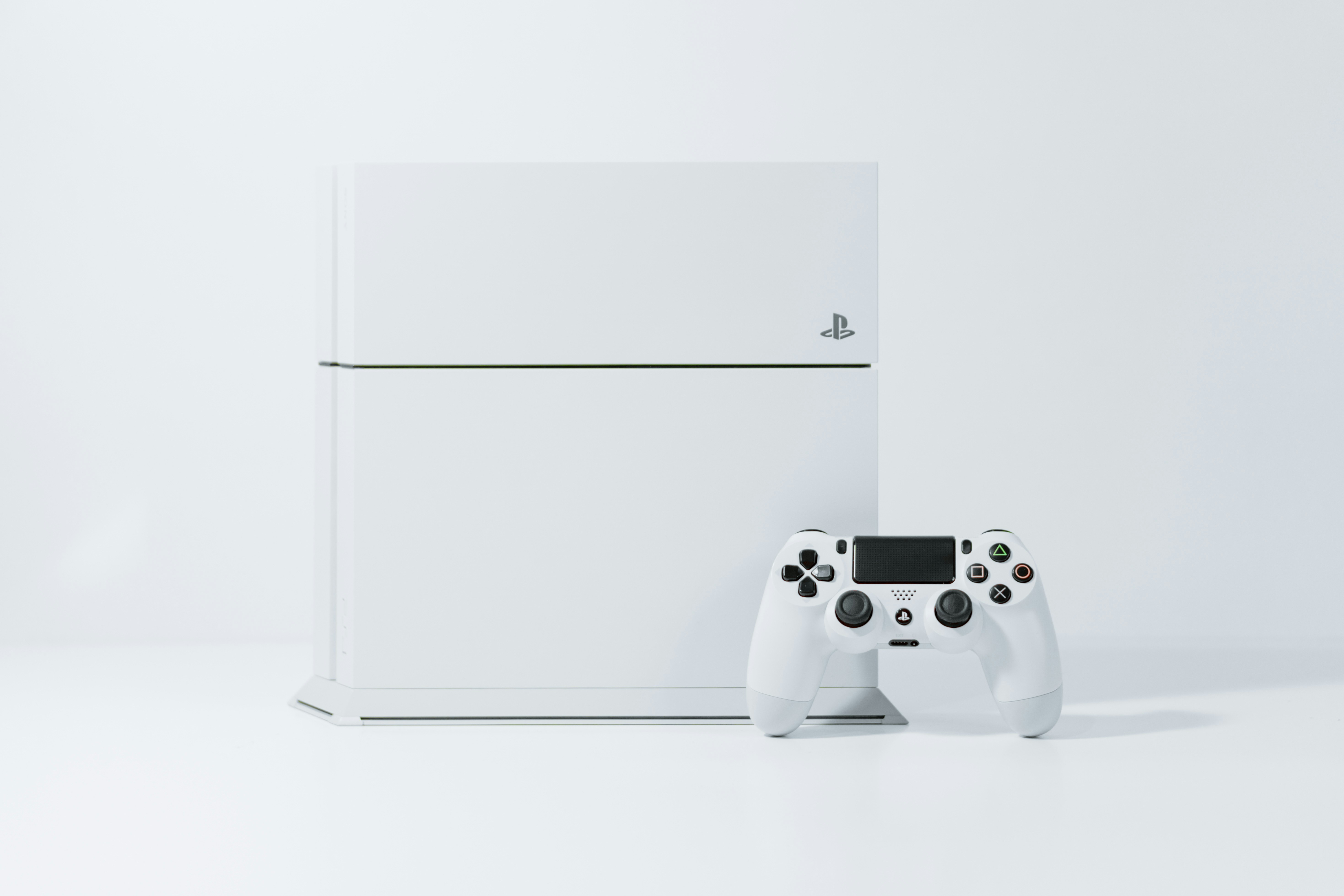
The PS3’s Cell processor was notoriously difficult to program for, and MGS4 was built specifically to squeeze every ounce of performance from that architecture. Sony even sent developers to help Konami maximize the console’s potential. The result was a game so intertwined with PS3 hardware that bringing it to modern platforms would essentially require rebuilding large portions from scratch. That’s not a port or remaster. That’s a full remake with all the time, cost, and risk that entails.
Making matters more complicated, MGS4 has extensive product placement and licensing deals that would need to be renegotiated. Snake literally has an iPod in the game, along with numerous other branded products that appeared in 2008. Those licensing agreements don’t automatically transfer to new releases decades later, creating legal headaches on top of the technical challenges.
Why MGS4 Matters So Much
Despite these obstacles, fan demand for MGS4 remains high because it’s the only mainline Metal Gear Solid game unavailable on modern platforms. You can play MGS1 through 3 via the Master Collection. MGS5 is readily available on current-gen systems. But MGS4 sits alone on the PS3, accessible only through PlayStation 3 hardware or increasingly capable emulation.
The game also represents a critical chapter in the series narrative, wrapping up storylines for Solid Snake, Liquid Ocelot, and other characters central to the franchise mythology. New players exploring Metal Gear for the first time through the remasters and Delta will hit a wall when they reach MGS4, forced to either buy old hardware, use emulation, or watch cutscenes on YouTube.
What Delta’s Success Means
Metal Gear Solid Delta proved that appetite for the franchise remains strong. The game topped 1 million sales within its first day across PlayStation 5, Xbox Series X/S, and PC. In Japan alone, the PS5 version sold over 63,000 physical copies in its first week. By October 2025, the entire Metal Gear series had jumped from 63.3 million to 65.1 million total sales, with Delta driving most of that 1.8 million increase.

Critical reception was generally positive despite some technical issues at launch. The remake successfully balanced modernizing controls and visuals while preserving what made the original special. That’s no easy feat, especially when dealing with a game as beloved as MGS3. The success validates Konami’s decision to invest in bringing Metal Gear back after years of uncertainty following Hideo Kojima’s departure.
Okamura acknowledged this momentum, stating his desire to continue building on it by reaching new audiences. Whether that means more remakes, new stories in the Metal Gear universe, or something else entirely remains the big question. The fact that everything is still on the table suggests Konami is being strategic rather than rushing into another project just to capitalize on Delta’s success.
Master Collection Volume 2 Adds Another Layer
Complicating matters further is Metal Gear Solid: Master Collection Vol. 2, which Konami confirmed is still in development. The first volume included MGS1, MGS2, MGS3, and the original MSX Metal Gear games. Volume 2 would logically include MGS4, Peace Walker, and possibly both parts of MGS5 (Ground Zeroes and The Phantom Pain).
But if MGS4 is as technically challenging as Okamura suggests, that could explain why Vol. 2 has taken so long. The first Master Collection launched with significant technical problems that required months of patches to address. Konami might be taking extra time with Vol. 2 to avoid repeating those mistakes, especially if getting MGS4 running on modern hardware requires extensive work.
The relationship between Master Collection Vol. 2 and potential remakes also raises questions. Would Konami put resources into porting MGS4 for a collection and then remake it years later? Or would they skip the port entirely and go straight to a remake? The answers likely depend on whether those projects would use the same teams or compete for the same development resources.
New Games vs More Remakes
Okamura’s comments about potentially creating something entirely new are particularly interesting. Metal Gear hasn’t had a proper new mainline entry since MGS5: The Phantom Pain in 2015. Metal Gear Survive launched in 2018 but was a co-op survival spinoff that received mixed reviews and was explicitly not part of the main storyline.
Creating a new Metal Gear game without Hideo Kojima would be controversial. Kojima’s vision defined the franchise for decades, and his departure from Konami was messy and public. Some fans would reject any new entry not bearing his stamp, while others might be open to fresh perspectives as long as the gameplay and storytelling hit the right notes.
Interestingly, previous statements from Okamura and MGS Delta producer Yuji Korekado suggested they’d prefer to step aside and let a new generation of developers create future titles. That approach would mirror how other long-running franchises have transitioned creative leadership, though it comes with obvious risks when the previous creator’s shadow looms so large.
FAQs
What did the Metal Gear producer say about future remakes?
Producer Noriaki Okamura told RealSound that Konami is still deciding what comes next. They might create more remakes or pursue entirely new Metal Gear projects, but nothing is confirmed yet. Each game would require its own unique approach rather than reusing Delta’s methodology.
Will Metal Gear Solid 4 get a remake?
It’s uncertain. Okamura expressed personal interest in an MGS4 remake but acknowledged it would be a real challenge due to the game’s unusual code and reliance on PS3 hardware architecture. The technical complexity makes it significantly harder than other potential remake candidates.
Why is MGS4 so difficult to port or remake?
Metal Gear Solid 4 was built specifically for the PlayStation 3’s unique Cell processor architecture, resulting in unconventional code that’s difficult to bring to modern platforms. The game also contains extensive product placement and licensing deals that would need to be renegotiated, adding legal complexity to the technical challenges.
How did Metal Gear Solid Delta perform?
Metal Gear Solid Delta: Snake Eater sold over 1 million copies within its first 24 hours of release. In Japan, the PS5 version sold over 63,000 physical copies in its first week. The game received generally positive reviews despite some technical issues at launch.
When will Metal Gear Solid: Master Collection Vol. 2 release?
Konami confirmed Vol. 2 is still in development but hasn’t announced a release date. The first volume included MGS1-3 and the MSX games. Vol. 2 would likely include MGS4, Peace Walker, and possibly MGS5, though the contents haven’t been officially confirmed.
Could there be a new Metal Gear game instead of remakes?
Yes, it’s possible. Okamura mentioned that Konami might pursue entirely new works rather than just remakes. However, creating a new mainline Metal Gear entry without series creator Hideo Kojima would be controversial among fans.
What makes remaking Metal Gear games so complex?
According to Okamura, the Metal Gear series spans decades of gaming evolution from pixel art to cinematic presentation. Each game requires a different approach to remaking based on its original design and technical foundation. The methodology used for Delta wouldn’t necessarily work for other titles in the franchise.
Why hasn’t MGS4 been re-released on modern platforms?
MGS4 remains a PS3 exclusive due to its deep integration with that console’s unique architecture. The game used specialized programming techniques to maximize PS3 performance, making it extremely difficult to port without essentially rebuilding significant portions. Licensing issues with product placements add another layer of complexity.
Conclusion
The uncertainty around Metal Gear’s future isn’t necessarily a bad thing. Konami appears to be taking a thoughtful approach rather than rushing into sequels or remakes just because Delta succeeded. The franchise deserves careful consideration given its legacy and the challenges each potential project presents. Whether we get an MGS4 remake that finally frees that game from PS3 jail, remakes of other classic entries, or entirely new adventures in the Metal Gear universe, the success of Delta proves there’s still an audience hungry for tactical espionage action. Okamura and his team earned goodwill by delivering a quality remake that respected the source material. Whatever direction they choose next, fans will be watching closely to see if they can maintain that standard while pushing the franchise forward into its next era.