Mario turns 40 this year, and Nintendo is already thinking about the next 60. In interviews published in a special Nintendo Museum book celebrating Super Mario’s 40th anniversary, legendary creator Shigeru Miyamoto, along with Takashi Tezuka, Koji Kondo, and Toshihiko Nakago, opened up about whether gaming’s most famous plumber can make it to his 100th birthday in 2085. Their conclusion is optimistic, but it comes with some conditions about what needs to happen between now and then.
Evolution Through Technology
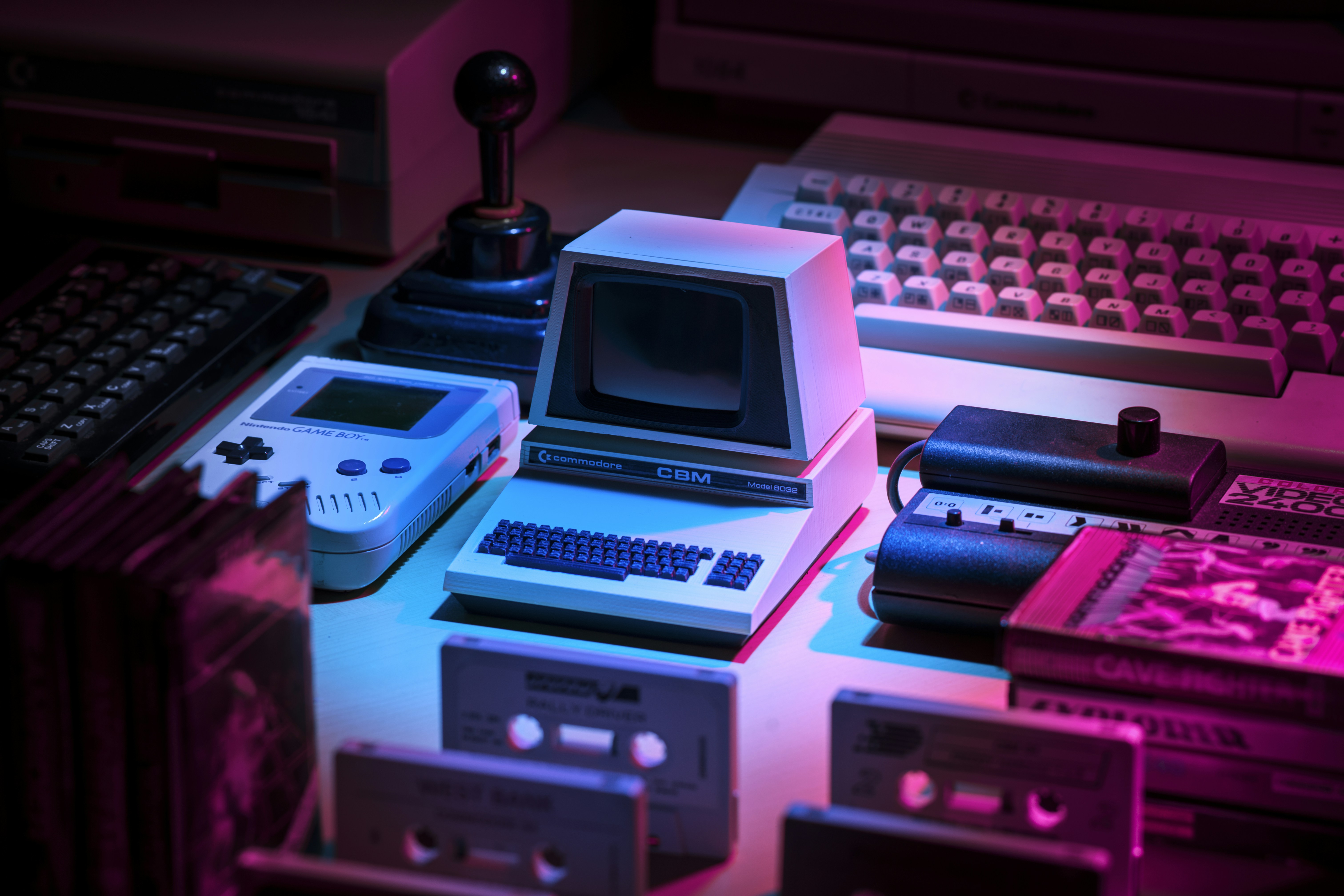
Miyamoto made it clear that Mario’s longevity depends on embracing new technology while respecting the franchise’s roots. He stated that Super Mario will constantly evolve by incorporating new digital technology, pointing to recent expansions into movies as an example. But he emphasized that Nintendo needs to keep Mario interactive and digital at his core. As long as they don’t forget Mario’s prime point of running and jumping while adding new things, Miyamoto believes Mario will be around for a long time.
The philosophy is simple but powerful. Nintendo takes on unique challenges, and when new technology is interesting, they incorporate it to make the fun expand and grow, like rolling up snow for a snowman. That’s been Mario’s story for four decades. He started as a simple 2D sprite jumping on goombas in 1985, and now he’s shooting through space, possessing enemies with a sentient hat, and starring in billion-dollar movies. The gameplay foundation of running and jumping has remained constant while everything around it evolved.
Keeping Multiple Generations Playing Together
Takashi Tezuka, who has worked on Mario games since the original Super Mario Bros., focused on something else entirely when discussing Mario’s future. He’s thinking about generational play. Until recently, two generations of parents and children were playing Mario together. Now three generations can share that experience. Tezuka doesn’t know if they’ll get to four generations, but Nintendo wants to make games that can be enjoyed together for generations to come.
This multigenerational approach explains a lot about Nintendo’s design philosophy. Mario games need to be approachable enough for young kids experiencing their first platformer while still offering depth that keeps adults engaged. They need to feel familiar to someone who played Super Mario Bros. in 1985 while offering fresh experiences for someone born in 2020. That balance is incredibly difficult to maintain, but it’s essential if Mario is going to stick around for another 60 years.
The Challenge of Staying Fresh
Tezuka also acknowledged one of the biggest threats to Mario’s longevity. Different times bring different kinds of fun, and what Mario can do now is completely different from when they started. The challenge is continuing to make things people find fun to play by changing things little by little without letting players get bored. Tezuka is constantly thinking about how to prevent boredom from setting in and keep people playing.
This is the tightrope Nintendo walks with every Mario release. Change too much and you alienate longtime fans who love what Mario represents. Change too little and you bore players who’ve seen it all before. Games like Super Mario Odyssey succeeded by introducing radical new mechanics like Cappy’s possession ability while keeping movement and platforming fundamentals intact. Super Mario Wonder experimented with Badge abilities and Wonder Flower transformations but still felt unmistakably Mario. Finding that sweet spot becomes harder with each passing decade.
Beyond Games
While Mario has successfully expanded into other media, particularly with the 2023 Super Mario Bros. Movie that earned over 1.3 billion dollars at the box office and an upcoming sequel called The Super Mario Galaxy Movie, Miyamoto stressed the importance of not losing sight of what makes Mario special. They’re working in visual fields like movies now, but he wants to ensure they keep Mario interactive and digital. Movies are fine, but games are where Mario truly lives.
This is worth emphasizing because plenty of gaming franchises have diluted their brands by chasing multimedia success at the expense of quality games. Sonic the Hedgehog spent years fumbling between mediocre games while his movies found success. Miyamoto seems determined not to let that happen to Mario. The games come first, always, and everything else is supplementary.
The Other Voices
Koji Kondo, the composer who created Mario’s iconic theme music and has scored Mario games for 40 years, said he wants to continue making music for Mario games going forward. At 65 years old in 2026, Kondo represents the challenge of succession planning that Nintendo faces. The people who created Mario are aging, and eventually, new creators will need to carry the torch. Whether those future developers can maintain the magic is an open question.
Toshihiko Nakago, president of SRD (a longtime Nintendo programming partner), added his own perspective. He doesn’t know what will happen 100 years from now, but he’s going to create programs that are intuitively conveyed to others. This focus on intuitive design has always been a Nintendo hallmark. Mario games are easy to pick up but hard to master, and that accessibility is part of why they’ve endured.
Mario’s 40th Anniversary Celebration
These interviews come as part of Nintendo’s ongoing celebration of Super Mario’s 40th anniversary, which kicked off with a Nintendo Direct presentation in September 2025. The celebration includes several initiatives beyond just reflective interviews. The Nintendo Museum in Kyoto is offering special 40th anniversary-themed tickets through September 2026 and planning a light display from December 2025 through April 2026.
Nintendo also announced it will sponsor the Kyoto Marathon 2026, with Mario present to cheer on participants. The Super Mario Galaxy Movie got its first teaser trailer, confirming the cast from the first film will return. Super Mario Galaxy and Super Mario Galaxy 2 received a bundle release on Switch and Switch 2 on October 2, 2025. Mario is even appearing as a balloon in the 99th Macy’s Thanksgiving Day Parade in New York.
Looking Forward
The question of whether Mario can reach 100 years is really a question about whether Nintendo itself can last that long and maintain creative excellence. Video game companies don’t have great track records for century-long existences. Sega used to make consoles and now they don’t. Atari collapsed and was rebuilt multiple times. Even companies that seem invincible today could be irrelevant in 20 years.
But Nintendo has advantages most companies don’t. They’ve been making entertainment products since 1889, starting with playing cards long before video games existed. They’ve survived format changes, market crashes, and fierce competition. Most importantly, they’ve cultivated a stable of characters and franchises that transcend any single piece of hardware. Mario isn’t tied to one console generation or gameplay style. He’s an idea more than a specific game.
FAQs
When did Super Mario Bros. first release?
Super Mario Bros. launched on September 13, 1985, for the Nintendo Entertainment System. The game helped revive the video game industry after the 1983 crash and became one of the best-selling games of all time with over 40 million copies sold.
Who created Mario?
Shigeru Miyamoto created Mario, who first appeared as “Jumpman” in the 1981 arcade game Donkey Kong. The character was renamed Mario for the 1983 arcade game Mario Bros., which introduced his brother Luigi.
How is Nintendo celebrating Mario’s 40th anniversary?
Nintendo announced multiple celebrations including special tickets and lighting displays at the Nintendo Museum, a Super Mario Galaxy + Galaxy 2 bundle for Switch, sponsorship of the Kyoto Marathon 2026, a Mario balloon at Macy’s Thanksgiving Day Parade, and the announcement of The Super Mario Galaxy Movie.
What does Miyamoto think is most important for Mario’s future?
Miyamoto believes Mario must constantly evolve by incorporating new digital technology while never forgetting the core gameplay of running and jumping. He wants to keep Mario interactive and digital even as the franchise expands into other media like movies.
Will there be a new 3D Mario game for the anniversary?
Nintendo did not announce a new 3D Mario game during the September 2025 Direct presentation focused on the 40th anniversary, though they did release the Super Mario Galaxy bundle and other Mario-related content.
How old is Koji Kondo, the composer of Mario’s music?
Koji Kondo will turn 65 in 2026. He composed the original Super Mario Bros. theme in 1985 and has continued creating music for Mario games for 40 years. He stated he wants to continue making music for Mario games going forward.
What is the Super Mario Galaxy Movie?
The Super Mario Galaxy Movie is the sequel to the 2023 Super Mario Bros. Movie, which earned over 1.3 billion dollars worldwide. The sequel was announced during the September 2025 Nintendo Direct with a teaser trailer, and the cast from the first film will return, including Chris Pratt as Mario, Anya Taylor-Joy as Peach, and Jack Black as Bowser.
What games has Mario appeared in over 40 years?
Mario has appeared in hundreds of games spanning platformers, racing games, sports titles, RPGs, and more. Major releases include Super Mario Bros., Super Mario 64, Super Mario Galaxy, Super Mario Odyssey, Super Mario Wonder, Mario Kart series, Super Smash Bros. series, and countless spin-offs.
Conclusion
The conversations in the Nintendo Museum anniversary book reveal a company thinking seriously about legacy and longevity. Miyamoto, Tezuka, Kondo, and Nakago aren’t just reminiscing about four decades of success. They’re actively planning for six more. Their strategy is clear: embrace new technology, maintain core gameplay principles, design for multiple generations of players, and never lose sight of what makes Mario special in the first place. Whether that’s enough to carry Mario to 2085 is impossible to predict. Technology could change in ways we can’t imagine. Gaming as a medium might evolve beyond recognition. Nintendo itself could face challenges that derail their plans. But if any video game character has earned the benefit of the doubt about sticking around for another 60 years, it’s the plumber who’s been jumping on turtles and saving princesses since 1985. Mario has already outlasted almost every other gaming icon from his era. Betting against him reaching 100 seems foolish at this point.