Nintendo Switch 2 owners woke up on November 11, 2025 to discover that firmware update 21.0.0 had rendered many of their third-party docks completely useless. No video output. No charging. Just expensive paperweights. After days of complaints flooding Reddit and social media, Nintendo issued a statement claiming it has no intention to hinder or invalidate legal third-party dock compatibility. But that carefully worded response is raising more questions than it answers, and the accessory industry is scrambling to figure out what changed.
This isn’t just about a few angry customers with broken accessories. It’s about control, competition, and whether Nintendo is quietly moving toward an Apple-style certification system that would fundamentally change how the Switch 2 accessories market operates. The distinction between legal and illegal docks in Nintendo’s statement suggests something bigger is happening behind the scenes.
What Actually Happened
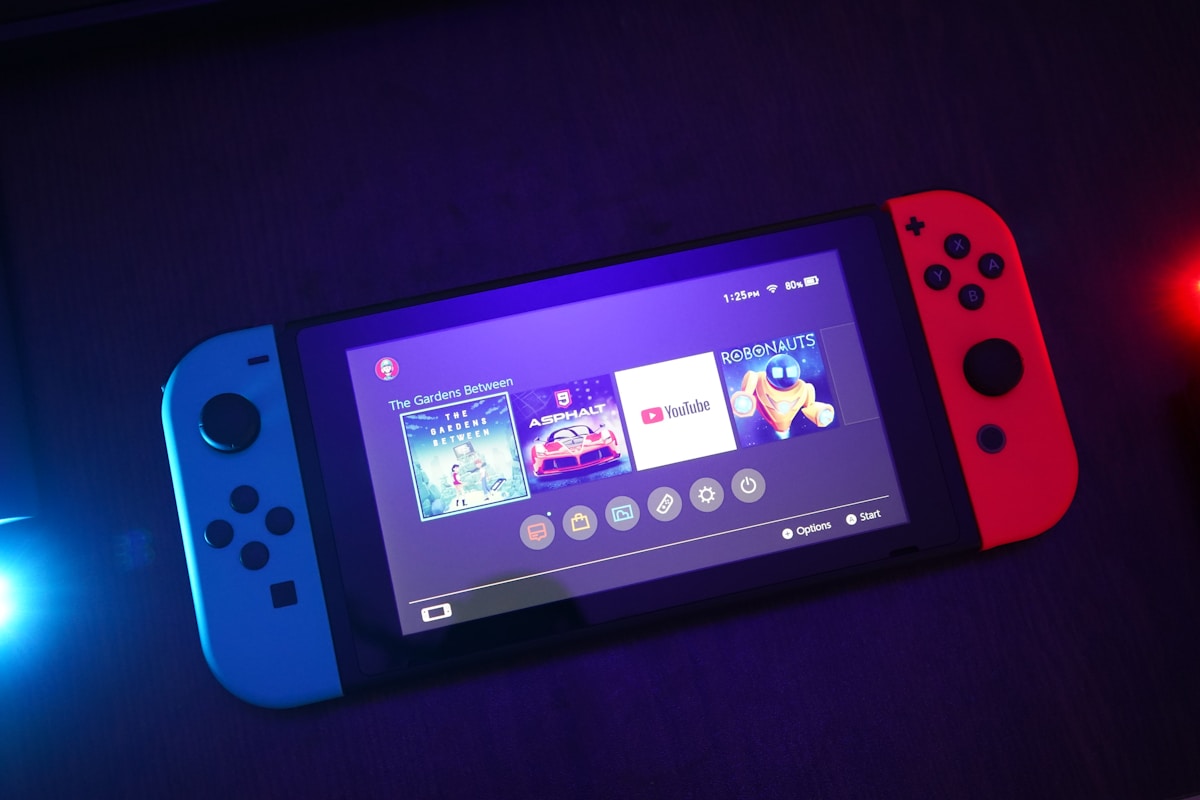
On November 11, Nintendo released firmware version 21.0.0 for the Switch 2. The update included the usual stability improvements and bug fixes that Nintendo loves to mention without providing details. But within hours, Switch 2 owners with third-party docks started reporting problems. Their consoles would no longer output video when docked, and in some cases, the docks stopped charging the console entirely.
YouTube creator Austin John Plays demonstrated the issue by testing his third-party docks on two different Switch 2 consoles. The dock worked perfectly on a console running firmware 20.5 but completely failed on one updated to 21.0.0. Same dock, same cables, different results based solely on firmware version. This confirmed what users already suspected: the update changed something fundamental about how the Switch 2 communicates with docking stations.
The issue affected multiple popular third-party dock brands, not just cheap knockoffs. Manufacturers like Hagibis, Jemdo, and others who had successfully reverse-engineered the Switch 2’s docking protocol suddenly found their products incompatible. Users who had spent anywhere from $30 to $100 on these alternatives to Nintendo’s $90 official dock were understandably furious.
Nintendo’s Carefully Worded Response
After several days of mounting pressure and media coverage, Nintendo issued a statement to outlets including Tom’s Hardware, Kotaku, and Eurogamer. The company’s exact words were: Nintendo Switch 2 outputs audiovisuals once it detects that it is docked into a Nintendo Switch 2 Dock. Nintendo Switch does the same, outputting audiovisuals once it detects that it is docked into a Nintendo Switch Dock. Nintendo does not have any intention to hinder or invalidate legal third-party dock compatibility.
That statement is doing a lot of work while saying very little. First, Nintendo explains the obvious: consoles detect docks and output video. Thanks for clarifying. Second, and more importantly, they emphasize they don’t intend to hinder legal third-party dock compatibility. The key word there is legal, which Nintendo doesn’t define but which creates a convenient distinction that could exclude most existing third-party docks.
What makes a third-party dock legal versus illegal? Nintendo hasn’t said. Do they mean docks that use licensed Nintendo components? Docks that meet some unannounced certification standard? Docks that simply don’t violate patents? The ambiguity is almost certainly intentional, giving Nintendo maximum flexibility to decide which accessories they consider legitimate without committing to specific criteria.
The Technical Details Matter
Industry experts believe the update changed the Switch 2’s handshake protocol, the technical process by which the console and dock recognize each other and establish a connection. This handshake is proprietary to Nintendo, meaning third-party manufacturers had to reverse-engineer how it works to create compatible docks in the first place.
When Nintendo modifies this protocol, even slightly, it breaks that reverse-engineered compatibility. Third-party manufacturers then have to figure out what changed and update their own products’ firmware to work again. Some companies like Jemdo have already released firmware updates for their docks that restore compatibility with Switch 2 firmware 21.0.0, proving that the issue is fixable from the accessory side.
But here’s the thing: updating dock firmware isn’t simple for average consumers. It typically requires connecting the dock to a computer, downloading software, and following technical instructions that most casual users find intimidating. Many buyers won’t bother, instead assuming their dock is permanently broken and either buying a replacement or switching to Nintendo’s official dock.
Is Nintendo Pulling an Apple?
The situation has immediate parallels to Apple’s MFi (Made for iPhone/iPad) certification program. Apple requires accessory makers to pay licensing fees, use certified components, and meet strict technical standards before they can market products as compatible with Apple devices. This program generates revenue for Apple while giving them control over which companies can play in their ecosystem.
Nintendo has historically been more open than Apple about third-party accessories, allowing manufacturers to create compatible products without official licensing. But the language in their recent statement, particularly the distinction between legal and illegal docks, suggests a potential shift toward tighter control. If Nintendo starts requiring certification for docks to be considered legal, they could effectively price out smaller manufacturers while generating new revenue streams.
The timing supports this theory. The Switch 2 launched in June 2025, and for the first few months, third-party dock manufacturers successfully created alternatives that worked perfectly. Now, less than six months after launch, an update breaks that compatibility. Whether intentional or not, the result pushes consumers toward Nintendo’s premium-priced official accessories while creating uncertainty around aftermarket alternatives.
The Price Difference Is Significant
Nintendo’s official Switch 2 dock retails for around $90 in most markets. Third-party alternatives typically range from $30 to $60 and often include additional features like extra USB ports, Ethernet connections, or more compact designs for travel. For budget-conscious consumers or people who want a dock for multiple locations, third-party options represent significant savings.
If Nintendo makes third-party docks unreliable through regular firmware updates that break compatibility, even temporarily, consumers lose confidence in those products. Why risk buying a $40 dock that might stop working after the next system update when you could spend $90 on the official one that’s guaranteed to work? This creates an effective monopoly on accessories without Nintendo explicitly blocking competitors.
What Dock Manufacturers Are Doing
Several third-party dock manufacturers have responded to the crisis by releasing firmware updates for their products. Jemdo, one of the more popular brands, put out an update that restores compatibility with Switch 2 firmware 21.0.0. However, users need to be extremely careful when applying these updates, as using the wrong firmware can permanently brick a dock, leaving it unable to even charge devices.
Other manufacturers are taking a wait-and-see approach or working behind the scenes to reverse-engineer the changes Nintendo made. The cat-and-mouse game between console makers and accessory manufacturers isn’t new, but it puts consumers in an uncomfortable position of hoping their purchase continues working after each system update.
Frequently Asked Questions
What did Nintendo’s firmware update 21.0.0 do to third-party Switch 2 docks?
Firmware update 21.0.0, released on November 11, 2025, broke compatibility with many third-party Switch 2 docks. Users reported their docks no longer output video to TVs and in some cases stopped charging the console entirely. The update appears to have changed the Switch 2’s handshake protocol for detecting docks, rendering reverse-engineered third-party products incompatible.
Did Nintendo intentionally break third-party docks?
Nintendo stated they do not have any intention to hinder or invalidate legal third-party dock compatibility. However, the company hasn’t explained what makes a dock legal versus illegal or why the update affected so many products. Whether the change was intentional or an oversight remains unclear, though the timing and language in Nintendo’s response have raised skepticism among industry observers.
Can third-party Switch 2 docks be fixed after the update?
Yes, some third-party dock manufacturers like Jemdo have released firmware updates that restore compatibility with Switch 2 firmware 21.0.0. However, updating dock firmware requires connecting the dock to a computer and following technical instructions. Users must be careful to use the correct firmware for their specific dock model, as using the wrong update can permanently brick the device.
What is a legal versus illegal third-party dock according to Nintendo?
Nintendo hasn’t defined what makes a third-party dock legal or illegal. The distinction mentioned in their statement is ambiguous and could refer to docks that use licensed components, meet unannounced certification standards, or simply don’t violate patents. This lack of clarity has led to speculation that Nintendo might be moving toward an Apple-style certification program for accessories.
Should I buy a third-party Switch 2 dock?
That depends on your tolerance for potential compatibility issues. Third-party docks offer significant savings over Nintendo’s $90 official dock and often include extra features. However, firmware updates may break compatibility temporarily or permanently, requiring you to update the dock’s firmware or potentially buy a replacement. The official Nintendo dock is guaranteed to work but costs significantly more.
How much does the official Nintendo Switch 2 dock cost?
The official Nintendo Switch 2 dock retails for approximately $90 in most markets. Third-party alternatives typically range from $30 to $60, offering substantial savings but with potential compatibility risks following system updates. Some third-party docks also include additional features like extra USB ports or Ethernet connections not found on the official model.
Has this happened before with Nintendo consoles?
While Nintendo has occasionally updated firmware that affected third-party accessories, this is one of the more widespread incidents. The original Switch had some issues with third-party docks potentially damaging consoles, but that was related to poor electrical design rather than intentional incompatibility. The Switch 2 situation is unique in how suddenly and broadly it affected well-made third-party products.
What should I do if my third-party dock stopped working?
First, check if your dock manufacturer has released a firmware update to restore compatibility with Switch 2 firmware 21.0.0. Visit their support website or contact customer service. If no update is available, you can either wait to see if one is released, contact the manufacturer for a refund or replacement, or purchase Nintendo’s official dock to ensure continued compatibility.
The Bigger Picture
This controversy is about more than just docks. It’s a test case for how Nintendo plans to handle the Switch 2 accessories ecosystem going forward. If the company continues making changes that break third-party compatibility, whether intentionally or through alleged accidents, they effectively control the entire accessories market through uncertainty rather than explicit prohibition.
For consumers, the situation creates a frustrating dilemma. Do you pay premium prices for official accessories that are guaranteed to work, or do you risk savings on third-party alternatives that might become incompatible after the next firmware update? For manufacturers, it raises questions about whether investing in Switch 2 accessories is worth the risk if Nintendo can render products obsolete with a single update.
The fact that some dock makers have already released fixes proves this isn’t an impossible technical barrier. But requiring customers to regularly update dock firmware, often through complicated processes, creates friction that pushes people toward just buying the official product. Whether that outcome is intentional or a happy accident for Nintendo, the effect is the same.
What happens next will set important precedents. If Nintendo continues with similar updates that require third-party manufacturers to constantly chase compatibility, we’ll know this is the new normal. If future updates avoid breaking accessories, maybe this really was an unintentional oversight. Either way, Switch 2 owners with third-party docks should probably keep their dock firmware up to date and prepare for possible compatibility surprises with each system update going forward.