PC gamers hoping to upgrade in 2026 just got hit with terrible news. According to reports from Chinese supply chain forums, NVIDIA plans to slash RTX 50 series GPU production by up to 40% in the first quarter of 2026. The reason isn’t prioritizing AI chips this time, it’s a brutal DRAM shortage squeezing the entire PC market. Instead of raising prices immediately, NVIDIA is throttling supply to manage the memory crunch, which means thinner shelves and frustrated gamers playing GPU lottery all over again.
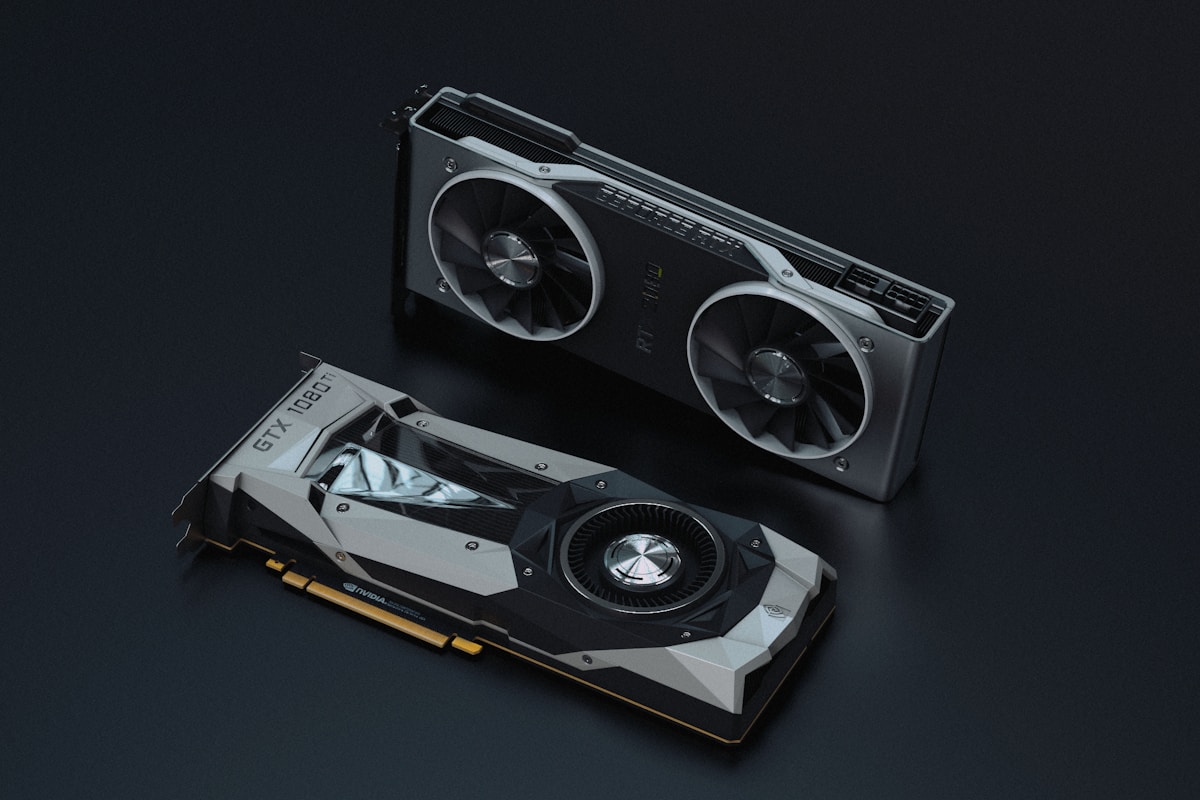
The Memory Shortage Problem
Posts on Chinese Board Channel forums claim Blackwell-based gaming GPUs could see supply cuts approaching 40% in Q1 2026. While flagged as unconfirmed, the rumors align perfectly with the broader DRAM supply squeeze hammering every corner of the PC market. Memory shortages have already pushed costs up across multiple segments, and GPUs are firmly in the firing line now. Faced with constrained DRAM supply, NVIDIA is reportedly choosing lower volumes rather than immediately jacking up prices.
This isn’t the first time we’ve heard about NVIDIA cutting gaming GPU production. Earlier in 2025, reports suggested the RTX 50 series would see 20-30% production cuts as NVIDIA prioritized AI chips based on the Blackwell architecture. The company only has limited production capacity at TSMC and must decide which chips get preferred treatment on the 4N production lines. Data center revenue now represents over 70% of NVIDIA’s total income, making gaming GPUs a secondary concern despite generating over $11 billion annually.
Why This Timing Is Terrible
The production cuts couldn’t come at a worse time. NVIDIA isn’t expected to launch a brand new GPU generation in 2026, instead planning an RTX 50 SUPER refresh. That means the existing RTX 50 lineup would be doing most of the heavy lifting throughout next year. Demand would likely stay high even without a generational leap, but supply will be artificially constrained by memory shortages rather than manufacturing capability.
For gamers, this creates a perfect storm. The RTX 50 series launched in late 2025 and early 2026 with the 5090 and 5080 leading the way. Mid-range and budget cards like the 5060 and 5070 are expected to follow in the first half of 2026. If production gets cut by 40% right as these mainstream cards launch, most gamers won’t be able to buy them at any price. Scalpers and bots will feast while actual customers refresh out-of-stock pages.
NVIDIA vs AMD Strategies
Interestingly, AMD and NVIDIA are handling the memory crisis differently. AMD has already been linked to price increases tied directly to onboard VRAM capacity, passing costs straight to consumers. NVIDIA appears to be taking a different approach for now, throttling supply to keep the supply chain stable rather than provoking outright sticker shock. The cunning plan is maintaining current pricing while letting scarcity do the work of limiting sales.
Neither strategy is great for consumers. AMD’s approach means higher MSRPs that might not come down even after memory supplies stabilize. NVIDIA’s approach means paper launches where cards technically exist at reasonable prices but nobody can actually buy them. Both companies win since constrained supply keeps prices elevated through artificial scarcity or direct increases. Gamers lose either way.
The AI Priority Continues
While the immediate excuse is memory shortages, the broader context is NVIDIA’s ongoing pivot toward AI and data center products. The company has been reducing gaming GPU priority for years now. Gaming revenue increased by $1 billion but its share of total revenue dropped from 17% to 9% as data center exploded to 73% of NVIDIA’s business. When DRAM supplies tighten, gaming cards get cut first because data center GPUs generate far more profit per chip.
This pattern repeated throughout 2025. NVIDIA cut RTX 40 series production down to just the 4050 and 4060, killed the AD102 chip for RTX 4090 production months before the 50 series launched, and consistently prioritized Blackwell-based AI chips over gaming variants. The memory shortage provides convenient cover for what NVIDIA was already doing, reallocating wafer capacity from consumer GPUs to enterprise AI accelerators.

What This Means for Gamers
For PC gamers planning 2026 upgrades, the outlook is grimly familiar. Between vanishing stock and stubborn pricing, upgrading a GPU could feel like another exercise in futility. The RTX 40 series shortages, 30 series scalping nightmare, and 20 series price inflation all taught us the same lesson: when supply constraints hit gaming GPUs, actual gamers suffer while scalpers, miners, and enterprise buyers snatch up available inventory.
There’s no clear timeline for when the DRAM situation might ease, though some analysts think it could sort itself out late in 2026. That means most of next year could feature thin GPU stock and inflated prices across both NVIDIA and AMD lineups. The secondary market might see RTX 30 and 40 series cards holding value longer than expected as desperate upgraders settle for older generations rather than fighting for scarce RTX 50 inventory.
Intel and China See Opportunity
NVIDIA’s continued retreat from consumer gaming GPUs creates opportunities for competitors. Intel joined the discrete GPU market three years ago and while driver issues plagued early Arc cards, the company is improving. Intel doesn’t face the same AI prioritization pressure since their data center business doesn’t depend on consumer GPU architecture. They could potentially fill gaps left by NVIDIA’s supply constraints.
Chinese GPU manufacturers like Moore Threads and Innosilicon also want to expand globally with gaming-focused cards. Both suffer from severe driver issues and compatibility problems that make Intel’s Arc troubles look minor, but they represent alternative options if established players can’t meet demand. It’ll take years for these newcomers to mature, but NVIDIA’s indifference to gaming creates space for challengers to grow.
The Recurring Revenue Endgame
Some pessimistic observers see a darker long-term play. If NVIDIA completely stops producing consumer gaming GPUs and pushes everyone to cloud gaming services while game developers focus on subscription-based online games, gamers would be forced into recurring revenue models. Shareholders love predictable subscription income, and eliminating PC hardware from the equation simplifies the business model dramatically.
While that dystopian future seems extreme, the trends point in concerning directions. NVIDIA’s GeForce NOW cloud gaming service directly competes with their own hardware sales. If they can convince enough gamers to rent GPU time through streaming rather than buying cards, hardware becomes someone else’s problem. The 40% production cut isn’t evidence of this conspiracy, but it does show how little NVIDIA prioritizes gamers who want to own their hardware.
FAQs
Why is NVIDIA cutting RTX 50 GPU production?
NVIDIA reportedly plans to cut RTX 50 series production by up to 40% in Q1 2026 due to DRAM shortages affecting the entire PC market. Instead of raising prices immediately, the company is throttling supply to manage constrained memory availability.
When will the GPU shortage end?
There’s no clear timeline, but some analysts think the DRAM shortage might ease late in 2026. Until then, gamers should expect thin stock and elevated prices across both NVIDIA and AMD GPU lineups.
Will RTX 50 prices increase?
NVIDIA is reportedly keeping prices stable for now while reducing supply. However, lower supply with consistent demand typically drives up actual street prices through scarcity, even if official MSRPs don’t change.
Should I buy an RTX 40 series instead?
RTX 40 series production has mostly ended except for the 4050 and 4060. Remaining stock might hold value longer than expected as RTX 50 cards become scarce. Check availability and prices before the remaining inventory disappears.
Is NVIDIA prioritizing AI over gaming?
Yes, data center and AI products now represent over 70% of NVIDIA’s revenue compared to 9% from gaming. When production capacity is constrained, NVIDIA consistently prioritizes higher-margin AI chips over consumer gaming GPUs.
What about AMD graphics cards?
AMD is also affected by DRAM shortages and has reportedly increased prices tied to VRAM capacity. Both companies face memory supply constraints, though they’re handling it with different strategies.
Will Intel Arc GPUs benefit?
Potentially yes. Intel doesn’t face the same AI prioritization pressure and could fill gaps left by NVIDIA and AMD supply constraints. However, Arc cards still suffer from driver maturity issues compared to established competitors.
Are Chinese GPU makers viable alternatives?
Companies like Moore Threads and Innosilicon make gaming GPUs but suffer from severe driver issues and compatibility problems. They’re years away from being realistic alternatives for most gamers despite wanting to expand globally.
Conclusion
NVIDIA’s reported plan to slash RTX 50 series production by 40% in early 2026 represents everything wrong with the current GPU market. Memory shortages provide convenient cover for what NVIDIA was already doing – prioritizing AI and data center products over gaming. The company generates over 70% of revenue from data center sales, making consumer gaming an afterthought despite the segment still producing billions in annual revenue. For gamers, 2026 looks like another frustrating year of thin stock, inflated prices, and fighting bots for scarce inventory. The RTX 50 SUPER refresh won’t save us when base RTX 50 cards are already constrained. Secondary markets will see older RTX 30 and 40 series cards holding value as desperate upgraders settle for previous generations. AMD isn’t riding to the rescue either, with their own memory shortage challenges and price increases. The only silver lining is that NVIDIA’s continued retreat from consumer gaming creates opportunities for Intel Arc and potentially Chinese manufacturers to establish footholds. But those alternatives need years to mature while gamers need GPUs now. The memory supercycle might ease late in 2026 according to optimistic forecasts, but that means most of next year features the same GPU availability nightmare we’ve endured since 2020. Between mining booms, pandemic supply chains, scalper bots, and now memory shortages plus AI prioritization, PC gaming’s most essential component remains frustratingly difficult to obtain at reasonable prices. Welcome to 2026, where your graphics card dreams die waiting for stock alerts that never arrive.