Nvidia [finance:NVIDIA Corporation] is reportedly making a significant change to how it supplies graphics cards to manufacturers, and the timing couldn’t be worse for gamers. According to Chinese hardware leaker Golden Pig Upgrade, the company has stopped bundling video memory with the GPU chips it sells to add-in board partners, forcing manufacturers to source GDDR memory on their own in the middle of a severe global memory shortage.
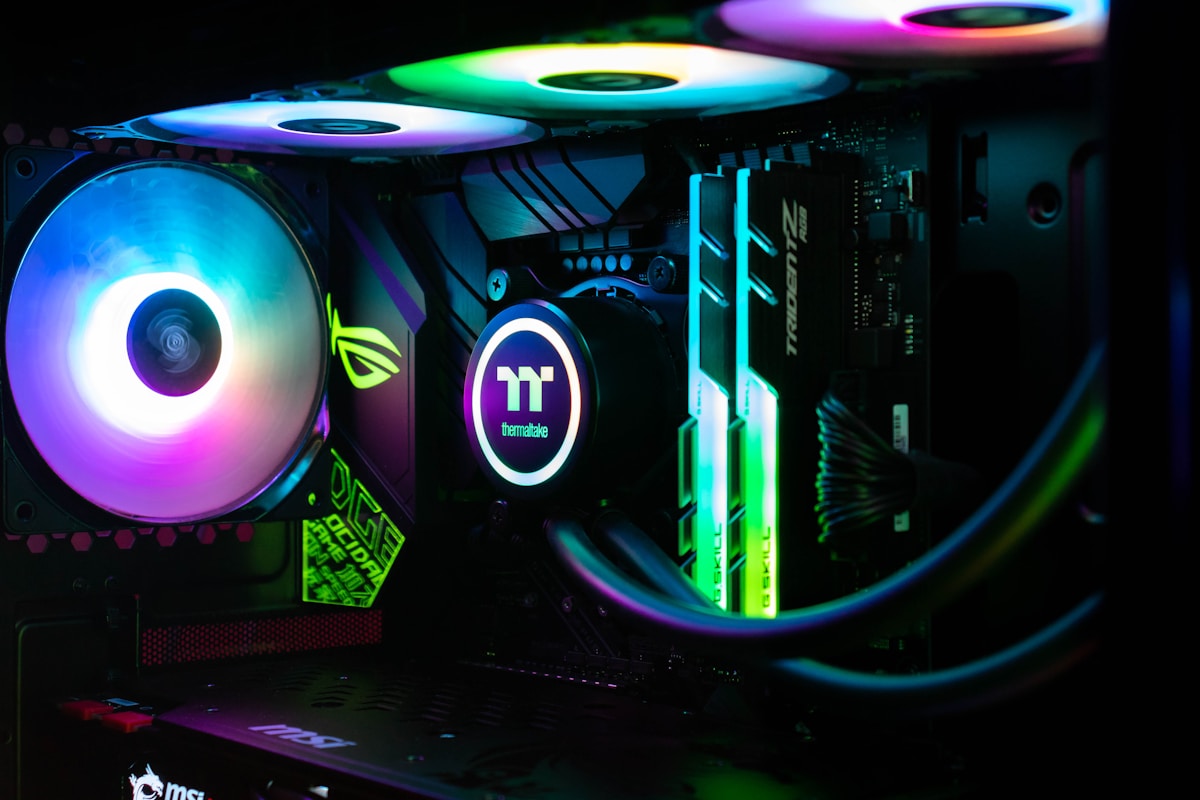
How GPU Manufacturing Used to Work
For years, Nvidia provided its board partners with a complete package. Manufacturers like ASUS, MSI, Gigabyte, and Zotac would receive both the GPU chip and the appropriate amount of GDDR memory already paired together. This arrangement simplified the production process significantly, ensuring that all memory met Nvidia’s specifications and maintained consistency with reference designs.
The system worked smoothly because Nvidia handled all the technical validation between the GPU and memory chips. Manufacturers could focus on designing cooling solutions, power delivery systems, and aesthetic elements without worrying about memory compatibility. They essentially received a tested, working foundation to build upon.
Why Nvidia Is Making This Change Now
The shift comes as the entire tech industry faces what experts are calling the worst memory shortage in three decades. AI data centers have created unprecedented demand for all types of memory chips, including the GDDR7 used in modern graphics cards. According to TrendForce, global DRAM inventories fell to just 3.3 weeks by the end of Q3 2025, matching historic lows.
Nvidia doesn’t actually manufacture memory chips. Companies like Samsung [finance:Samsung Electronics Co., Ltd.], Micron [finance:Micron Technology, Inc.], and SK Hynix produce the VRAM that goes into graphics cards. Nvidia has been purchasing this memory in bulk and bundling it with GPU chips, but the current supply situation has apparently made this approach economically unfeasible. By unbundling memory from GPU sales, Nvidia transfers the pricing volatility and supply risk directly to its board partners.

The AI Boom Is Eating All The Memory
The root cause of this shortage is straightforward. AI companies need massive amounts of memory for training and deploying large language models. OpenAI’s Stargate project alone reportedly signed agreements for up to 900,000 wafers of DRAM per month from Samsung and SK Hynix, which would account for nearly 40 percent of global DRAM output.
This creates a direct conflict between gaming and AI markets. Both need the same advanced memory technology, but AI companies can pay premium prices that gaming GPU manufacturers simply can’t match. Memory producers naturally prioritize the more lucrative contracts, leaving the consumer electronics market with whatever supply remains.
Who Gets Hurt by This Change
Large manufacturers like ASUS, MSI, and Gigabyte will likely weather this transition without major issues. These companies already have established relationships with memory suppliers and enough purchasing power to negotiate reasonable prices. They’ve been sourcing components directly from memory manufacturers for other product lines, so adding GPU memory to those orders isn’t particularly difficult.
The real problem hits smaller board partners. Companies with lower production volumes lack the leverage to secure competitive pricing or guaranteed supply. During a shortage, memory manufacturers prioritize their largest customers, potentially leaving smaller GPU makers unable to source the components they need at any price. This could force some smaller brands out of the graphics card market entirely.
| Manufacturer Size | Likely Impact | Estimated Cost Increase |
|---|---|---|
| Large (ASUS, MSI, Gigabyte) | Minimal disruption, already source components directly | Baseline cost |
| Medium (Zotac, Palit) | Moderate pressure, may face supply delays | 50 percent markup |
| Small (Colorful, Gainward) | Severe impact, potential exit from market | 100 percent markup |
What This Means for GPU Prices
Memory prices are already skyrocketing. Samsung reportedly raised prices by up to 60 percent in late 2025, and analysts estimate that memory alone could add approximately $96 to the cost of even basic computers. For high-end graphics cards that use cutting-edge GDDR7 memory, the impact will be significantly worse.
The situation becomes more complicated because manufacturers now bear all the risk of memory price fluctuations. If they sign contracts to buy memory at one price but the market price spikes afterward, they either absorb the loss or increase retail prices. Given how thin profit margins are in the graphics card industry, most will have no choice but to pass those costs to consumers.

Remember What Happened to EVGA
This policy change brings back memories of EVGA’s dramatic exit from the graphics card market in 2022. The company, which had been making Nvidia GPUs for over two decades, cited growing tensions with Nvidia and alleged mistreatment as reasons for abandoning the business entirely. EVGA’s CEO stated the company couldn’t make money on graphics cards anymore due to Nvidia’s pricing and business practices.
Forcing smaller partners to source expensive memory during a shortage applies similar pressure. Companies operating on razor-thin margins may find the economics simply don’t work anymore. If they can’t secure memory supply or prices become too volatile, they face the same choice EVGA made, potentially reducing competition in an already consolidated market.
The Timing Is Suspiciously Convenient
Nvidia is preparing to launch its RTX 50 series graphics cards based on the Blackwell architecture. These cards use GDDR7 memory, which is even more expensive and harder to source than GDDR6. Some rumors suggest the planned RTX 50 SUPER refresh might be cancelled entirely due to severe shortages of 3GB GDDR7 modules.
By unbundling memory right as these new cards launch, Nvidia effectively insulates itself from the financial risk of GDDR7 price spikes. The company sells the GPU chip at a fixed price while board partners scramble to source increasingly expensive memory. This maximizes Nvidia’s profitability while transferring all the downside risk to manufacturers who have much less negotiating power.
What Gamers Can Expect
The short answer is higher prices and potentially reduced availability, especially for cards from smaller manufacturers. The days of finding budget options from lesser-known brands may be ending as those companies struggle to compete for memory supply. Major manufacturers will likely absorb some cost increases initially but will eventually raise prices as their inventory turns over.
The memory shortage isn’t expected to improve until at least late 2026. Memory manufacturers are investing in expanding production capacity, but building new fabrication facilities takes years. In the meantime, AI demand continues accelerating, creating a bidding war that consumer electronics simply can’t win.
Frequently Asked Questions
Is this rumor confirmed by Nvidia?
No, Nvidia has not officially commented on the reports. The information comes from Chinese hardware leaker Golden Pig Upgrade and has been reported by multiple tech outlets, but it remains unconfirmed by the company itself.
Why did Nvidia bundle memory with GPUs in the first place?
Bundling ensured memory compatibility, simplified manufacturing for board partners, and allowed Nvidia to maintain quality control over the complete GPU package. It also streamlined the supply chain and reduced the technical burden on smaller manufacturers.
How much will GPU prices increase because of this?
The exact impact is unclear, but memory prices have risen 50 to 60 percent in 2025. Smaller manufacturers may face even higher markups due to limited negotiating power. Consumers could see price increases of $50 to $150 or more depending on the card and memory configuration.
Which graphics card manufacturers will be affected most?
Smaller brands like Colorful, Gainward, and other regional manufacturers will face the most significant challenges. Large companies like ASUS, MSI, and Gigabyte already source components directly and have established supplier relationships.
When will the memory shortage end?
Industry analysts don’t expect significant relief until late 2026 or 2027. Memory manufacturers are expanding production capacity, but new fabrication plants take years to build and bring online.
Is the memory shortage affecting other products too?
Yes, the shortage impacts RAM for computers, SSDs, smartphones, and essentially any device using DRAM or NAND flash memory. Prices are rising across all categories as AI data centers consume the majority of new production capacity.
Could this force more GPU manufacturers to exit the market?
Potentially yes. EVGA already left the graphics card business in 2022 citing poor economics and difficult relationships with Nvidia. Smaller manufacturers facing memory sourcing challenges may make similar decisions if profit margins become unsustainable.
What is GDDR7 and why is it so expensive?
GDDR7 is the latest generation of graphics memory, offering significantly higher bandwidth than GDDR6. It’s expensive because it’s cutting-edge technology with limited production capacity, and both gaming GPUs and AI accelerators compete for the same supply.
Conclusion
Nvidia’s decision to stop bundling memory with GPU chips represents a fundamental shift in how graphics cards are manufactured and sold. While the company positions this as a response to market conditions, it conveniently transfers all the financial risk of the memory shortage from Nvidia to its partners during the launch of expensive new products. For gamers, this means higher prices, reduced availability from smaller manufacturers, and increased market consolidation as only the largest companies can navigate the supply challenges. The global memory shortage driven by AI data center demand shows no signs of improving soon, suggesting these problems will persist well into 2026 and beyond. Anyone planning a GPU upgrade should prepare for sticker shock and consider buying sooner rather than later, as prices are expected to continue climbing as existing inventory sells through and manufacturers adjust to the new reality of sourcing memory independently.