Ed Marx is a longtime surfer from Southern California with decades of computer experience who got tired of waiting for someone else to make a decent surfing video game. So he built one himself. After years of solo development figuring out wave physics, adding jet skis for exploration, implementing contests for progression, and filling tropical islands with quirky characters, Surfers Code launched on Steam on September 2, 2025. It’s not the polished AAA surfing simulator some might expect, but it’s something arguably better: a genuine passion project that captures the chill lifestyle of a traveling surfer searching for waves.
This is an open world adventure where surfing is just one element of island life. You’ll explore by jet ski, discover hidden surf breaks away from crowds, compete in contests to win better equipment, chat with amusing locals about wave conditions, hunt for treasure in caverns, and gradually unravel the mysteries connecting these tropical islands. The demo is still available if you want to test the waters before committing, and the full game offers a 20% launch discount for early adopters willing to embrace its quirky indie charm.

- Realistic Wave Physics Actually Matter
- Multiple Playable Characters Change Physics
- Jet Ski Exploration Opens the World
- Contests Provide Structure and Rewards
- Quirky Characters Add Personality
- Mystery and Exploration Drive Progression
- Shark Repellent and Other Practical Concerns
- Solo Development Journey
- Performance Demands and Technical Realities
- Community Reception and Reviews
- FAQs
- Ride the Wave of Indie Ambition
Realistic Wave Physics Actually Matter
Ed didn’t take shortcuts on the surfing mechanics. He spent considerable time developing a computer-generated wave system that produces rideable waves with varied characteristics. Different breaks behave differently based on their location and type. Reef breaks, point breaks, and beach breaks all have distinct qualities requiring adjusted techniques. The beginner break on the first island offers an easy takeoff that transitions into fast and slow sections demanding skill and practice.
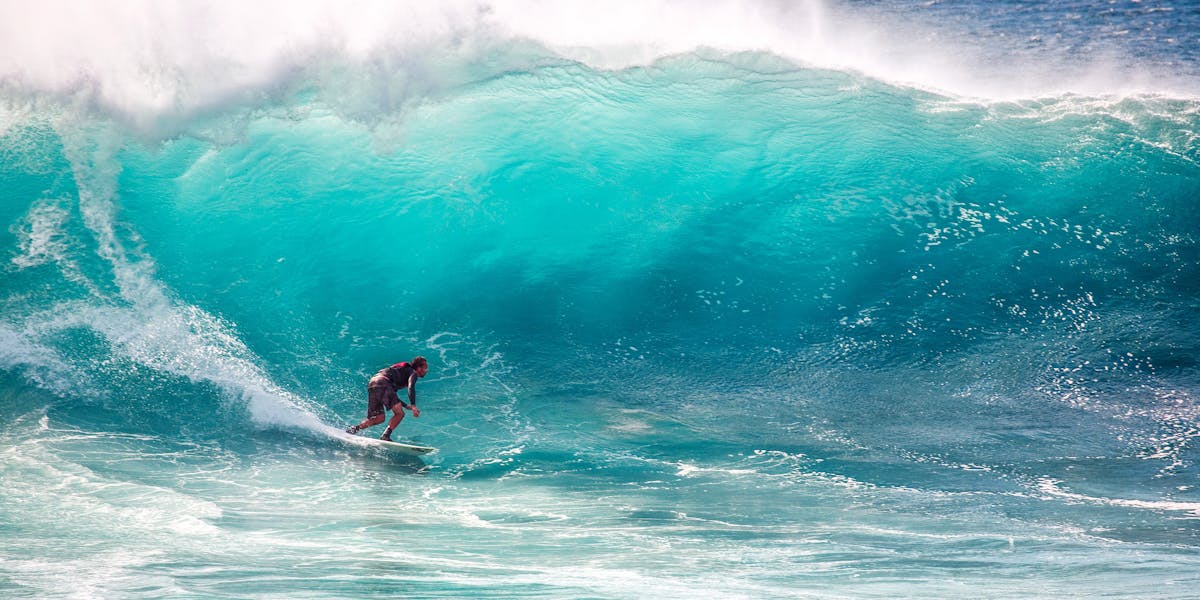
The physics-based approach means surfing feels less arcadey than simulation-focused. You need to find the steep part of the wave to generate speed, extend bottom turns to hit the lip more vertically, cut back when waves slow down, and pump to maintain momentum for maneuvers like tail slides or aerials. Positioning matters enormously. Timing your takeoff, reading the wave’s shape, and adjusting your line all require practice and understanding rather than button-mashing combos.
Multiple Playable Characters Change Physics
You’re not locked into one surfer throughout the game. Multiple playable characters are available, and here’s the interesting part: each character affects the physics differently. Switching characters changes how the game feels, especially during surfing. Lighter characters might be more agile but struggle generating speed. Heavier characters could maintain momentum better but turn less responsively. This variety encourages experimentation to find which character matches your preferred style.
The character selection adds replayability since mastering one surfer doesn’t mean you’ve mastered them all. Returning to familiar waves with different characters forces you to adapt techniques and discover new lines you couldn’t access before. It’s a clever system that adds depth without requiring entirely separate skill trees or progression systems for each character.
Jet Ski Exploration Opens the World
You can’t live based on surfing alone, as Ed recognized when designing the game. Jet skis provide the exploration vehicle connecting islands and surf breaks. Win a jet ski in contests and suddenly the outer islands become accessible. Grab a map from locals and you’ll have guidance toward hidden breaks away from crowds. The jet ski gameplay transforms Surfers Code from a pure surfing simulator into a proper open world adventure.
Riding jet skis between islands creates anticipation for what you’ll discover next. Passing other surf spots on the way builds excitement about eventually returning to try them. The freedom to choose your destination rather than following linear progression respects player agency. Some might prioritize exploring every island systematically. Others might chase rumors about secret breaks. The jet ski enables both approaches without forcing either.
Contests Provide Structure and Rewards
For players who need concrete goals beyond pure exploration, contests offer structured challenges. Compete at the contest island where wave scoring determines winners. Add up your highest scoring waves before time expires. The surfer with the best total score wins prizes, sometimes including fast jet skis that expand your exploration capabilities. The contest system introduces competitive elements without making the entire game about chasing high scores.
Surfing maneuvers are scored based on execution quality, wave positioning, and style. Pulling off a 720 aerial, the game’s biggest trick, requires serious skill and perfect setup. The scoring system rewards understanding wave mechanics and taking calculated risks rather than spamming the same safe moves repeatedly. As your skills develop through practice, contest performance improves naturally, creating satisfying progression feedback.

Quirky Characters Add Personality
The tropical islands are populated with amusing locals who teach you about surfing culture, provide tips about nearby breaks, and gradually reveal the deeper mysteries connecting everything. Early dialogue teaches fundamentals like what a right is (a wave breaking to the left, which makes no sense until you understand the surfer’s perspective). Characters suggest where to go next, when to try more challenging breaks, and how to access restricted areas.
The writing embraces the chill surfer vibe without taking itself too seriously. Characters speak in laid-back tones with humor that fits the tropical setting. Some provide useful information about wave conditions. Others share lore about past surfers who visited these islands. The quirky dialogue creates personality that elevates Surfers Code beyond technical surfing mechanics into something more memorable and human.
Mystery and Exploration Drive Progression
Beyond surfing and contests, a larger narrative gradually unfolds about the secrets hidden across these islands. Explorers mention lost gold and coins scattered throughout the archipelago. Returning treasure unlocks deeper mysteries involving energy sources and saving the world, though the locals are quick to ask what’s in it for you besides global salvation. The lighthearted approach to world-saving adventure fits the game’s overall tone.
Caverns hide treasures waiting for discovery. Each island contains secrets tucked away in corners. As you explore more thoroughly, the purpose and meaning of Surfers Code becomes clearer. The mystery element provides motivation for thorough exploration rather than just hitting the best surf breaks repeatedly. Players who enjoy adventure games and environmental storytelling find satisfaction beyond the core surfing mechanics.

Shark Repellent and Other Practical Concerns
Ed included thoughtful details that show his understanding of surfing realities. Shark repellent keeps those pesky sharks at bay, addressing one of every surfer’s background concerns. The day-night cycle affects visibility and atmosphere. Different boards in your collection handle differently, rewarding experimentation. The surf school on one island provides advanced tips for improving technique. The surf club offers specialized knowledge for experienced players.
These systems create the feeling of actually living the traveling surfer lifestyle rather than just simulating wave riding. You’re not disconnected from the environment between surf sessions but constantly engaged with the islands, their inhabitants, and the practical considerations of finding and riding waves in varied conditions. The holistic approach distinguishes Surfers Code from arcade surfing games focused purely on tricks and scoring.
Solo Development Journey
Ed Marx handled all development alone, from initial wave physics prototyping through final release. He describes years of fiddling around with digital wave-making concepts before developing a functioning system. Creating rideable waves with proper foam dynamics required substantial iteration. Adding controller support, wave scoring, contests, dialogue systems, and open world exploration expanded the scope far beyond the initial vision.
The solo development shows in both the game’s strengths and limitations. The unified creative vision results in cohesive tone and design philosophy where everything serves the chill surfer aesthetic. The technical execution sometimes reveals indie budget constraints with graphics and polish that won’t compete with AAA productions. But Surfers Code never pretends to be something it isn’t. It’s an authentic passion project from someone who loves surfing and wanted to share that experience through an interactive medium.

Performance Demands and Technical Realities
Ed mentions the game now pushes the bounds of everyone’s computer who plays it. The open world environments, wave physics simulations, and dynamic systems require substantial processing power. This creates accessibility concerns for players with older hardware, but it also demonstrates ambition beyond typical indie scope. Building something technically demanding shows commitment to the vision rather than compromising quality for wider compatibility.
The game runs on Unity engine with a somewhat Unreal Engine visual feel according to players. The tropical environments feature lush vegetation, dynamic water, day-night cycles, and weather systems. The technical achievement is impressive for solo development, even if it demands modern hardware to run smoothly. Players should check system requirements before purchasing if they’re running older machines.
Community Reception and Reviews
Player reactions have been mixed with appreciation for the unique concept tempered by recognition of indie limitations. Some reviewers describe it as quirky and weird, not quite the serious surfing simulation they expected but potentially fun for those seeking anything surf-related. The exploration and story appeal even to non-surfers who struggle with surfing mechanics. Everyone likes the jet ski gameplay, which provides accessible fun regardless of surfing skill.
The realistic physics approach means surfing has a learning curve. You can’t immediately pull off impressive maneuvers without understanding wave mechanics and character control. Some players bounce off this difficulty while others appreciate the depth and mastery curve. The game finds its audience among people who want authentic surfing challenges rather than arcade simplicity, along with adventure game fans who enjoy the exploration and mystery elements.

FAQs
When did Surfers Code release?
Surfers Code launched on Steam on September 2, 2025, after years of solo development. A demo has been available since May 2024 and remains accessible for players wanting to test the game before purchasing. The full release launched with a 20% discount for early adopters.
Who developed Surfers Code?
Ed Marx, a longtime surfer from Southern California with extensive computer experience, developed Surfers Code entirely alone. He created the game because he saw a need for a decent surfing video game and wanted to make something that captured the traveling surfer lifestyle authentically.
Is Surfers Code realistic or arcade-style?
The game leans toward simulation with physics-based surfing mechanics requiring understanding of wave positioning, momentum management, and proper technique execution. It’s less arcadey than button-mashing trick games, though the open world adventure elements and quirky tone prevent it from being purely serious simulation.
What do you do besides surfing?
You explore tropical islands by jet ski, compete in contests to win equipment, chat with quirky locals for information and tips, hunt for treasure in caverns, discover hidden surf breaks, collect different surfboards, and unravel mysteries about the islands’ secrets and purpose.
Can you play as different surfers?
Yes, multiple playable characters are available and each one affects the physics differently, especially during surfing. Switching characters changes how the game feels, encouraging experimentation to find which surfer matches your preferred style and techniques.
What are the system requirements?
The developer mentions the game pushes the bounds of computers, indicating it requires relatively modern hardware. The open world environments, wave physics simulations, and dynamic systems demand substantial processing power. Check the Steam page for specific system requirements before purchasing.
Is there a demo available?
Yes, a free demo has been available on Steam since May 2024 and remains accessible. The demo lets you experience the first island, learn basic surfing mechanics, interact with characters, and explore by jet ski before deciding whether to purchase the full game.
Ride the Wave of Indie Ambition
Surfers Code won’t win awards for graphical fidelity or technical polish, but it achieves something more valuable: capturing the authentic essence of surfing culture through a passionate solo developer’s vision. Ed Marx built the open world surfing adventure he wanted to play because nobody else was making it. The result is quirky, challenging, occasionally frustrating, and genuinely unique in a genre that’s been mostly dormant for years. Download the demo and see if the chill tropical lifestyle resonates with you. Sometimes the best games come from individuals pursuing obsessive visions rather than committees chasing market trends. Whether you’re a lifelong surfer or someone who’s never touched a board, there’s something special about experiencing the world through the eyes of someone who truly loves what they’re creating.