Most horror games give you weapons, stealth mechanics, or places to hide. The Last Keeper from three-person indie studio AstraInteractiveGames strips all that away and hands you something far more vulnerable: your actual voice. Set in an isolated lighthouse during the 1890s, this survival horror game uses voice recognition technology to detect when you recite prayers and incantations that ward off malevolent supernatural entities. Your microphone becomes your lifeline as darkness closes in around your lighthouse sanctuary, and the only thing standing between you and the encroaching evil is your ability to speak protective words correctly while terror grips your throat.
The game targets Q1 2026 release on Steam, with alpha playtesting already underway. The developers mention the playtest may already be available by the time you read this, inviting early adopters to experience the voice mechanic that transforms player agency into genuine vulnerability. This is psychological horror that emphasizes isolation and dread over combat or jump scares, and it might be one of the most innovative uses of voice control in gaming since Alien Isolation’s noise detection.
- Your Voice Is Your Only Weapon
- Late 19th Century Lighthouse Setting
- Managing the Lighthouse Light
- Non-Linear Story With Multiple Endings
- Psychological Horror Over Jump Scares
- Three Person Development Team
- 3 to 4 Hour Playtime
- Historically Accurate 1890s Details
- Playtest May Already Be Live
- FAQs
- Speaking Your Fears Into Reality
Your Voice Is Your Only Weapon
The core mechanic centers on voice recognition technology that detects when you speak specific prayers, incantations, and protective rituals aloud. These aren’t button presses or quick-time events but actual verbal recitations that the game’s software must recognize and validate. Speak the words clearly and correctly, and you create barriers against supernatural threats. Fumble the pronunciation, speak too quietly from fear, or fail to complete the incantation before entities reach you, and consequences follow.
This mechanic creates vulnerability that traditional control schemes can’t replicate. When you’re genuinely frightened by what’s happening on screen, your voice wavers and catches. When panic sets in, you might forget the words or stumble over syllables. The game transforms your physical state of fear into mechanical disadvantage, bridging the gap between player emotion and character vulnerability in ways that feel uncomfortably real. It’s brilliant and potentially terrifying in equal measure.
Late 19th Century Lighthouse Setting
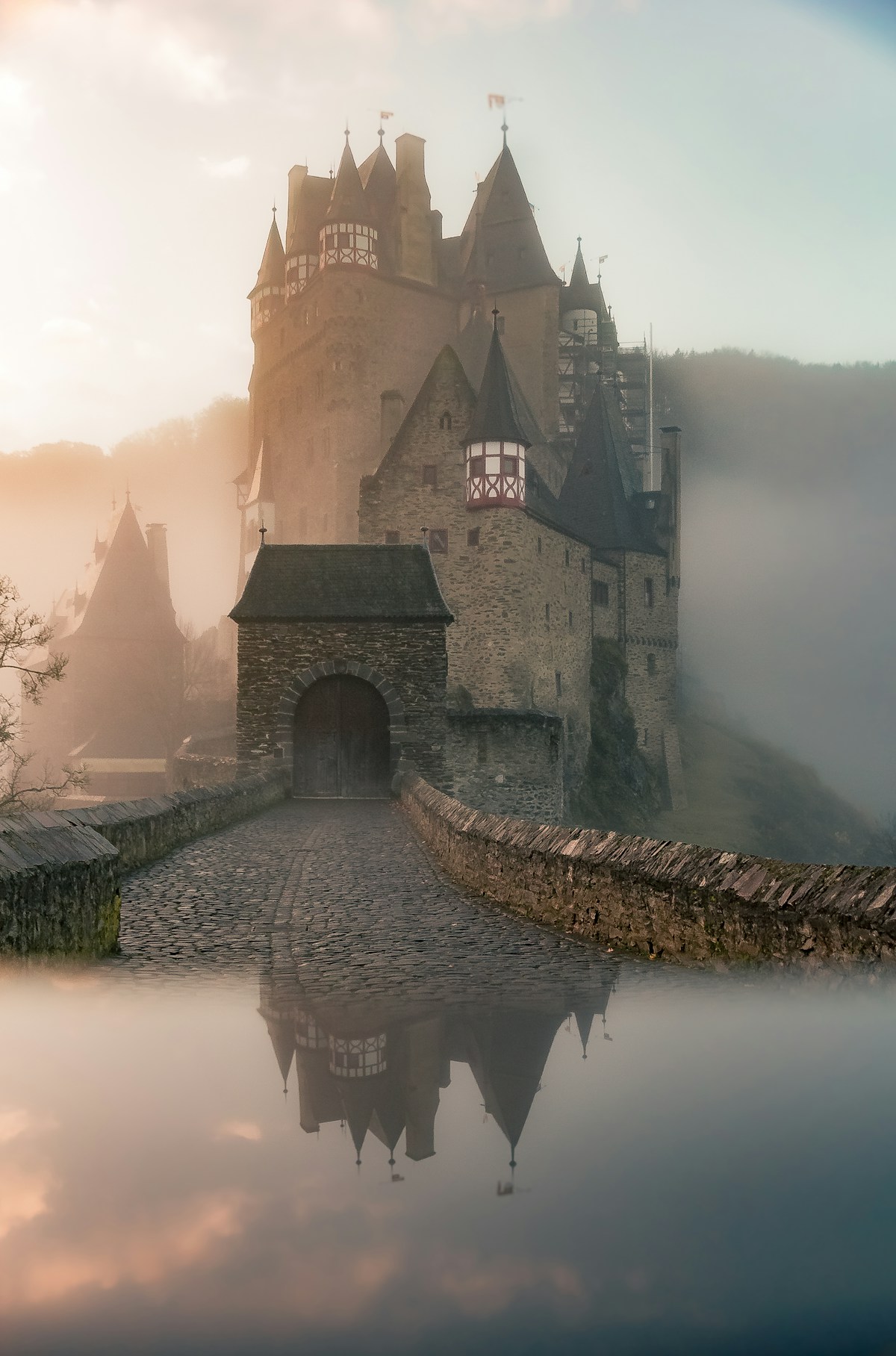
The 1890s lighthouse provides perfect thematic grounding for this concept. Historical lighthouse keepers faced genuine isolation, spending weeks or months alone in remote structures with only the ocean for company. Many reported psychological deterioration from extended solitude. Some documented strange phenomena that official records dismissed as hallucinations born from isolation-induced madness. The Last Keeper takes these historical anxieties and layers supernatural horror onto already-unsettling reality.
The period setting also justifies why you’re relying on prayers and incantations rather than modern technology or weapons. In the 1890s, religious faith provided psychological comfort against the unknown. People genuinely believed words of prayer held power against evil forces. The game leans into that historical mindset, making the voice mechanic feel contextually appropriate rather than gimmicky. You’re not just speaking because it’s a unique control scheme but because that’s what a terrified 19th-century lighthouse keeper would actually do when confronted with the supernatural.

Managing the Lighthouse Light
Beyond voice-based defense, you must manage the lighthouse light itself as your essential survival tool. The light functions both practically and metaphorically, illuminating darkness while symbolizing hope against encroaching evil. Keeping the light operational requires resource management, fuel monitoring, and maintenance work that pulls your attention away from supernatural threats. This creates tension between practical duties and defensive needs.
The light management system adds strategic layer to what could have been pure horror survival. Do you risk venturing away from the lamp room to gather supplies? Spend precious time on maintenance when entities circle nearby? Let the light dim temporarily to conserve fuel for the long night ahead? These decisions create moment-to-moment gameplay beyond simply reciting prayers when monsters appear. The lighthouse keeper simulation aspects ground the experience in tangible tasks that make the supernatural elements feel more intrusive and violating.
Non-Linear Story With Multiple Endings
The Last Keeper features non-linear narrative structure with multiple endings determined by player choices and actions throughout the experience. The developers mention planning between six and eight different endings, suggesting substantial branching based on how you handle various situations. This replayability encourages multiple playthroughs where you explore different narrative paths and discover how various decisions cascade into divergent conclusions.
The multiple endings raise interesting questions about what choices matter in a horror game centered on voice mechanics. Does successfully defending against every supernatural encounter lead to the best ending, or does constant spiritual warfare exact psychological costs reflected in darker outcomes? Can you achieve better endings by choosing when not to fight, accepting some spiritual corruption as necessary compromise for survival? The non-linear structure suggests moral complexity beyond simple success-failure dichotomies.

Psychological Horror Over Jump Scares
AstraInteractiveGames explicitly positions The Last Keeper as psychological horror emphasizing atmosphere and dread rather than cheap jump scares or combat encounters. This design philosophy aligns with the voice mechanic since constant action would make spoken incantations impractical. The slower pace lets tension build naturally through environmental storytelling, audio design, and the creeping realization that your isolation makes you vulnerable in ways no weapon could address.
Psychological horror demands strong writing, sound design, and environmental design to maintain engagement without relying on adrenaline spikes. Players need reasons to care about survival beyond avoiding game-over screens. The lighthouse setting and period details provide narrative hooks, but success ultimately depends on whether the supernatural threats feel genuinely menacing rather than annoying obstacles. The voice mechanic potentially enhances this by making defense feel personal and effortful rather than abstract button presses.
Three Person Development Team
AstraInteractiveGames consists of just three developers building The Last Keeper as their first commercial venture after a year of development. This ambitious scope for such a small team demonstrates either exceptional confidence or perhaps slight overreach, but indie development frequently succeeds through passionate small teams willing to innovate where larger studios play safe. The voice recognition system alone represents substantial technical challenge requiring expertise in speech recognition, natural language processing, and real-time audio analysis.
The team’s transparency about being first-time commercial developers builds goodwill while managing expectations. They’re clearly passionate about the voice mechanic as genuine innovation rather than gimmick, viewing it as transforming player agency into immersive element that enhances horror rather than simply providing novelty. Their emphasis on playtesting and community feedback demonstrates smart development approach where they validate assumptions before full release rather than hoping the concept works without external input.
3 to 4 Hour Playtime
The developers target approximately 3-4 hours for a complete playthrough, though multiple endings encourage revisiting the narrative several times. This relatively short runtime respects that horror games struggle maintaining tension across extended playtimes. Better to deliver focused, intense experience than dilute scares across bloated campaigns. The multiple endings provide replay value without requiring dozens of hours of commitment, accommodating modern audiences with limited time.
The shorter runtime also makes the voice mechanic sustainable. Speaking prayers aloud for hours could become physically exhausting and vocally straining. A 3-4 hour experience lets the mechanic feel fresh and engaging throughout without overstaying its welcome. Players can complete full runs in single extended sessions, maintaining narrative momentum and emotional investment rather than spacing the experience across multiple days where fear dissipates between play sessions.
Historically Accurate 1890s Details
The team emphasizes historical accuracy in their 1890s setting, incorporating period-specific details that ground the supernatural horror in authentic historical context. This attention to detail potentially enhances immersion since players familiar with the era will recognize accurate touches while those unfamiliar learn through environmental storytelling. Authentic details make the setting feel lived-in rather than generic historical window dressing.
Historical accuracy also provides framework for the prayer and incantation mechanics. Researching actual 19th-century protective prayers, religious practices, and folk rituals that people genuinely believed warded off evil creates authenticity that pure fiction couldn’t match. Players might be speaking words that actual lighthouse keepers would have recited during moments of terror, blurring lines between game fiction and historical possibility in ways that enhance psychological impact.

Playtest May Already Be Live
The developers mention that by the time players see announcements, the Steam playtest may already be available for participation. This suggests active testing with community members providing feedback that shapes final development before the Q1 2026 launch. Interested players should check the Steam page immediately to see if playtest access is currently open and sign up to experience the voice mechanics firsthand.
Early playtest participation provides crucial feedback about whether the voice recognition works reliably across different accents, microphone qualities, and speaking styles. Nothing kills innovative mechanics faster than technical implementation that fails to recognize legitimate inputs, creating frustration that outweighs novelty. The playtesting phase lets AstraInteractiveGames refine the system, expand the recognized prayer database, and ensure the core concept delivers on its promise before wide release.
FAQs
What is The Last Keeper?
The Last Keeper is a survival horror game set in an isolated 1890s lighthouse where you defend against supernatural threats using voice recognition technology. Developed by three-person indie studio AstraInteractiveGames, you recite prayers and incantations aloud that the game recognizes to ward off malevolent entities.
When does The Last Keeper release?
The game targets Q1 2026 release on Steam. Alpha playtesting is currently underway, with developers suggesting the playtest may already be available for interested players to try the voice mechanic and provide development feedback.
How does the voice mechanic work?
You must speak specific prayers, incantations, and protective rituals aloud into your microphone. The game’s voice recognition technology detects and validates your speech, creating barriers against supernatural threats when you recite correctly. Fear, panic, or incorrect pronunciation can cause the mechanic to fail.
How long is the game?
A complete playthrough takes approximately 3-4 hours. However, the non-linear structure features multiple endings (between six and eight planned), encouraging replay to explore different narrative paths and outcomes based on your choices.
What kind of horror is it?
The Last Keeper emphasizes psychological horror focused on atmosphere, isolation, and dread rather than combat or jump scares. The slow-burn approach builds tension through environmental storytelling and the creeping realization of your vulnerability in the isolated lighthouse setting.
Who is developing The Last Keeper?
AstraInteractiveGames, a three-person indie team, is creating The Last Keeper as their first commercial venture. After a year of development, they’re conducting alpha playtests before the Q1 2026 release, actively incorporating community feedback into the final design.
Is there a playtest available?
The developers suggest the Steam playtest may already be live. Check the Steam page to see if playtest signups are currently open. They welcome early participants to try the voice recognition mechanic and provide feedback shaping final development.
Speaking Your Fears Into Reality
The Last Keeper represents exactly the kind of innovative risk-taking that makes indie horror compelling. Taking voice recognition beyond simple commands into genuine survival mechanic creates vulnerability that traditional controls can’t replicate. When your actual voice becomes your defense and fear physically impairs your ability to speak protective words, the line between player and character dissolves in genuinely unsettling ways. Check if the Steam playtest is available and discover whether reciting prayers into the darkness becomes your next horror obsession. Sometimes the scariest moments in games come not from what’s on screen but from hearing your own voice waver and break when supernatural evil closes in and your only protection is words you’re too terrified to speak clearly. The lighthouse awaits, and the darkness is listening.