Valve has provided the first official indication of what gamers can expect to pay for the Steam Machine when it launches in early 2026. In an interview with Skill Up’s Friends Per Second podcast, Valve software engineer Pierre-Loup Griffais confirmed that the living room gaming PC won’t be subsidized like traditional PlayStation or Xbox consoles. Instead, it will be priced competitively with gaming PCs offering similar performance, suggesting a price point significantly higher than many fans hoped for.
No Console-Style Subsidization
When asked directly whether Valve would follow the console business model of selling hardware at a loss or minimal profit to generate momentum, Griffais made it clear the answer is no. He stated that Steam Machine pricing would be more in line with what you might expect from the current PC market. This means Valve won’t be eating manufacturing costs to hit an aggressive $499 price point like Sony and Microsoft often do with their consoles.
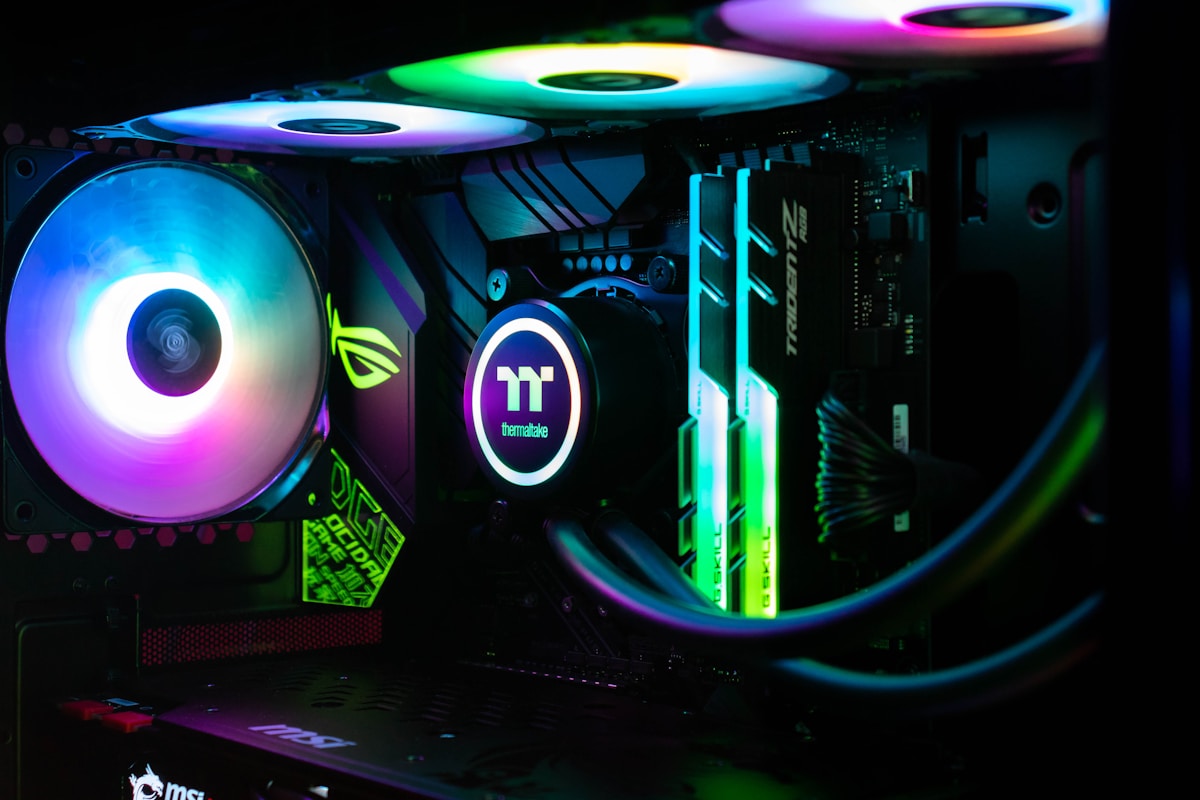
Griffais explained that if you build a PC from parts and get to basically the same level of performance, that’s the general price window Valve aims to be at. However, he emphasized that pricing remains uncertain because many factors are still fluctuating, and the company is still early in the pricing determination process. This suggests Valve is monitoring component costs, manufacturing expenses, and competitive positioning before finalizing the retail price.
What This Means for Pricing
The lack of subsidization has significant implications for how much consumers will pay. Traditional console manufacturers like Sony and Microsoft can afford to sell hardware at or below cost because they recoup losses through game sales, online subscription services, and first-party title exclusivity. PlayStation 5 and Xbox Series X both launched at $499, with Sony and Microsoft accepting thin margins or losses on each unit sold.
Valve’s situation differs fundamentally. While they operate the Steam storefront and will profit from game sales, they don’t control the ecosystem as tightly as console manufacturers. Steam Machine runs SteamOS, which allows users to potentially install Windows or access other storefronts like Epic Games Store or GOG. This openness limits Valve’s ability to guarantee long-term revenue from each hardware sale, making subsidization a riskier business strategy.
Expected Price Range
Based on Griffais’s comments and analyst speculation, most industry observers now expect the base 512GB Steam Machine to launch between $599 and $799, with the 2TB model potentially reaching $899. This puts it firmly in premium territory, more expensive than a PlayStation 5 Pro at $749 but potentially competitive with mid-range gaming PCs offering similar specifications.
PC Gamer’s hardware team initially estimated an average price of around $525 before Griffais’s interview, assuming Valve would aggressively undercut the market. However, the confirmation that Steam Machine will be priced like a comparable PC has shifted expectations upward. Hardware managing editor Jacob Ridley noted that Valve can’t go much higher than $750-$800 without dooming the Steam Machine concept, as you can already build an RTX 5060 system in that price range.
Steam Machine Specifications
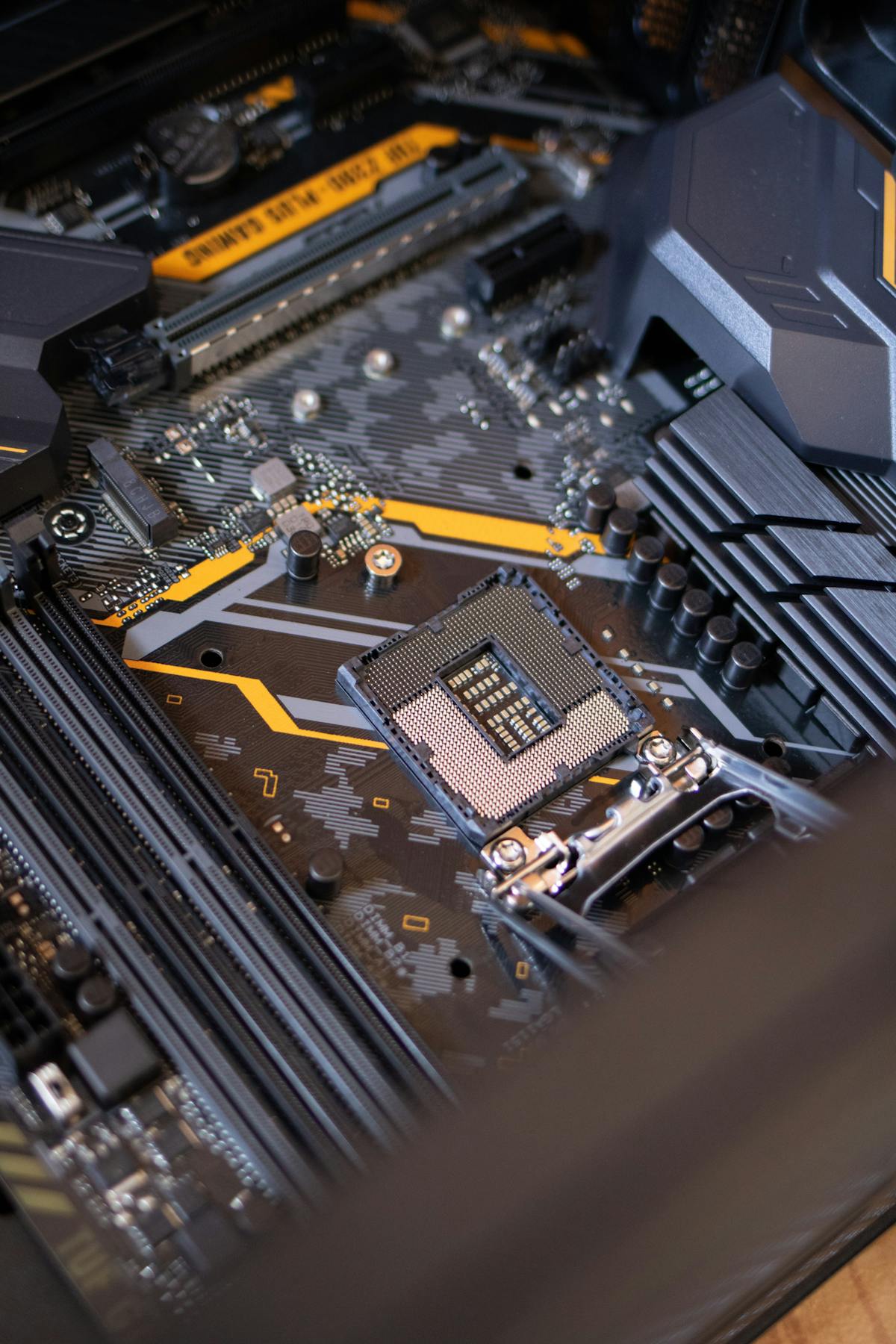
The Steam Machine features a semi-custom AMD Zen 4 CPU with 6 cores and 12 threads, capable of boost frequencies up to 4.8 GHz. The GPU is a semi-custom AMD RDNA3 solution with 28 compute units running at a sustained 2.45 GHz clock speed with a 110W TDP. The system includes 16GB of DDR5 RAM plus 8GB of GDDR6 VRAM dedicated to graphics processing.
Valve claims the Steam Machine delivers over six times the horsepower of the Steam Deck and can handle 4K gaming at 60 FPS when using FSR upscaling technology with ray tracing enabled. The compact cube-shaped design measures just six inches on each side, making it significantly smaller than traditional gaming PCs while still packing desktop-class performance. Two storage configurations will be available at launch: 512GB and 2TB, both supporting microSD expansion for additional storage.
The device includes an integrated power supply, LED status strip with customizable colors and animations, two USB-A ports on the front, two more USB-A ports on the rear, and one USB-C port at the back. It runs SteamOS natively, supporting suspend-and-resume functionality, cloud saves, and Steam Machine verification ratings that help users understand game compatibility before purchasing.
Competitive Positioning
At $700-$800, the Steam Machine faces a challenging competitive landscape. The PlayStation 5 Digital Edition costs $499, while the disc version is $549. Even the premium PlayStation 5 Pro costs $749. Xbox Series X sits at $499, while the less powerful Series S can be found for around $299. Nintendo Switch 2 is expected to launch somewhere in the $400-$500 range.
However, Steam Machine’s value proposition differs fundamentally from traditional consoles. It offers access to decades of PC gaming history through the Steam library, backwards compatibility with virtually every PC game ever released, mod support, and the flexibility to install Windows or other operating systems if desired. For gamers who already own extensive Steam libraries, the Steam Machine becomes a way to play those games on the TV without building a full gaming PC or dealing with the complexity of Windows.

Comparison to Mini PCs
The Steam Machine also competes with the growing mini PC gaming market. Companies like Minisforum, Beelink, and ASUS produce compact gaming PCs in similar price ranges, many of which run Windows and offer comparable or even superior specifications. Some mini PCs with similar AMD components retail for $600-$900 depending on configuration, making Valve’s pricing competitive within that market segment.
Valve’s advantages include tight hardware-software integration through SteamOS, console-like user experience with suspend-resume functionality, and the Steam ecosystem’s built-in social features, achievements, and community aspects. However, mini PCs offer Windows compatibility, access to Game Pass, and the ability to use the device as a general-purpose computer beyond just gaming.
The Original Steam Machine Failure
This isn’t Valve’s first attempt at a Steam Machine. The original concept launched around 2013-2015 as a partnership with multiple hardware manufacturers producing various Steam Machine models running SteamOS. Those devices ranged from affordable to extremely expensive, with inconsistent specs and confusing branding that made it difficult for consumers to understand what they were buying.
The original Steam Machines failed primarily due to lack of native Linux game support. At the time, most major games didn’t run on SteamOS, forcing users to either dual-boot Windows or accept a severely limited library. Developers had little incentive to port games to Linux because the user base was tiny, creating a vicious cycle that doomed the platform. Additionally, the varied hardware configurations meant developers couldn’t optimize for specific specs like they could with traditional consoles.
The new Steam Machine benefits from years of Proton development, Valve’s compatibility layer that allows Windows games to run on Linux. The success of Steam Deck proved that Proton works well enough to support a SteamOS device, with the vast majority of popular games now verified or playable on the handheld. This solves the single biggest problem that killed the original Steam Machine concept, giving the 2026 version a much better chance at success.
Release Timeline and Availability
Valve has confirmed the Steam Machine will launch in early 2026, with the company defining early 2026 as no later than March 31, 2026, unless unforeseen delays occur. The device will be sold directly through the Steam Store and regional partners like Komodo, following the same distribution model as the Steam Deck.
Pre-orders or reservations haven’t been announced yet, though Valve’s typical approach involves a reservation system where interested customers place a small refundable deposit to secure their place in line. Wishlisting is currently available on Steam, ensuring customers receive notifications when pre-orders open and when the device launches.
Global availability is planned from launch, though specific regional pricing and distribution partners outside established Steam Deck markets haven’t been confirmed. Valve has significantly expanded its hardware distribution capabilities since the Steam Deck launch, making worldwide availability more feasible for the Steam Machine.

Community Reactions
The gaming community’s response to the pricing revelation has been mixed. Enthusiastic PC gamers who already own large Steam libraries see value in a compact, console-like device that can play their existing games on the TV without the hassle of building a full PC. For these users, $700-$800 feels reasonable compared to building an equivalent mini ITX system.
However, casual gamers and console players have expressed disappointment that the Steam Machine won’t undercut PlayStation 5 and Xbox Series X pricing. Many hoped Valve would leverage Steam’s ecosystem advantages to subsidize hardware costs and offer a compelling alternative at $499 or less. At $700-$800, the Steam Machine becomes a harder sell to anyone not already invested in the PC gaming ecosystem.
Some critics argue that Valve is missing an opportunity to aggressively challenge Sony and Microsoft during a transitional period in the console market. With Xbox’s future uncertain and PlayStation 5 Pro failing to generate significant enthusiasm at $749, a well-priced Steam Machine could have captured market share. Instead, the conservative PC-market-aligned pricing may limit adoption to hardcore PC enthusiasts rather than expanding into mainstream gaming households.
FAQs
How much will the Steam Machine cost?
Valve hasn’t announced official pricing yet, but software engineer Pierre-Loup Griffais confirmed it will be priced in line with comparable gaming PCs, not subsidized like consoles. Industry analysts expect the base 512GB model to cost between $599-$799, with the 2TB model potentially reaching $899.
When will the Steam Machine be released?
The Steam Machine is scheduled to launch in early 2026, which Valve defines as no later than March 31, 2026, barring unforeseen delays. Specific release dates and pre-order information haven’t been announced yet.
Why won’t Valve subsidize the Steam Machine like Sony and Microsoft do with consoles?
Unlike closed console ecosystems where manufacturers control all software sales, Steam Machine runs SteamOS with the potential to install other storefronts or operating systems. This openness limits Valve’s ability to guarantee long-term revenue from each hardware sale, making subsidization riskier than the console model.
What are the Steam Machine specifications?
The Steam Machine features a semi-custom AMD Zen 4 CPU with 6 cores and 12 threads, an RDNA3 GPU with 28 compute units at 2.45 GHz sustained clock, 16GB DDR5 RAM plus 8GB GDDR6 VRAM, and either 512GB or 2TB storage with microSD expansion support. It targets 4K gaming at 60 FPS with FSR upscaling.
How does Steam Machine compare to PlayStation 5 or Xbox Series X?
Steam Machine offers similar or slightly better raw performance than current-gen consoles released in 2020, but will likely cost $100-$300 more. Its advantages include access to the entire Steam library, backwards compatibility with decades of PC games, mod support, and flexible operating system options.
Will the Steam Machine play all Steam games?
Most Steam games should work through Valve’s Proton compatibility layer, which has been refined since Steam Deck’s launch. However, some games with certain anti-cheat systems or DRM may not function. Valve is working with developers to improve compatibility and provides verification ratings to indicate which games work well.
Can I install Windows on the Steam Machine?
Valve hasn’t explicitly confirmed Windows support, but SteamOS is built on Linux and past Valve hardware has supported alternative operating systems. Given the open nature of the platform, installing Windows will likely be possible, though it may require some technical knowledge.
Is the Steam Machine better value than building a PC?
At $700-$800, the Steam Machine competes with DIY mini ITX builds and pre-built mini PCs. The value depends on whether you prioritize console-like simplicity, compact size, and SteamOS integration versus Windows compatibility and upgradeability. For users with existing Steam libraries who want TV gaming without building a PC, it offers decent value.
Conclusion
Valve’s confirmation that the Steam Machine will be priced like a comparable gaming PC rather than a subsidized console sets realistic expectations for the device’s market positioning. While some fans hoped for aggressive console-competitive pricing that would shake up the industry, Valve’s conservative approach makes business sense given the platform’s openness and the lessons learned from the original Steam Machine failure. At an estimated $700-$800, the device targets enthusiast PC gamers who want console convenience for their Steam libraries rather than mainstream consumers considering their first gaming device. Whether this strategy succeeds depends largely on execution, the final retail price, and how well SteamOS delivers on the promise of seamless PC gaming in the living room. For those already invested in the Steam ecosystem with extensive libraries, the Steam Machine represents a compelling way to play those games on the TV without the complexity of Windows or building a traditional gaming PC. But for everyone else, PlayStation 5, Xbox Series X, and the upcoming Nintendo Switch 2 will likely remain more attractive options at their lower price points and established ecosystems.