We’ve all been there. You’re playing a massive AAA open-world RPG, and you encounter a cliff face. You see the conspicuously placed “yellow paint” marking the handholds. You hold the analog stick forward, maybe tap a button to jump occasionally, and then… you wait. For many gamers, climbing has become synonymous with “interactive loading screens”—a boring bridge between the actual gameplay segments.
But a recent discussion on r/Games has sparked a fiery debate with a bold claim: Climbing in games is actually good.
The thread, which has garnered hundreds of comments, argues that we’ve been looking at verticality all wrong. When developers treat climbing as a puzzle rather than a chore, it becomes one of the most immersive mechanics in gaming. Let’s break down why this “unpopular opinion” might actually be right.
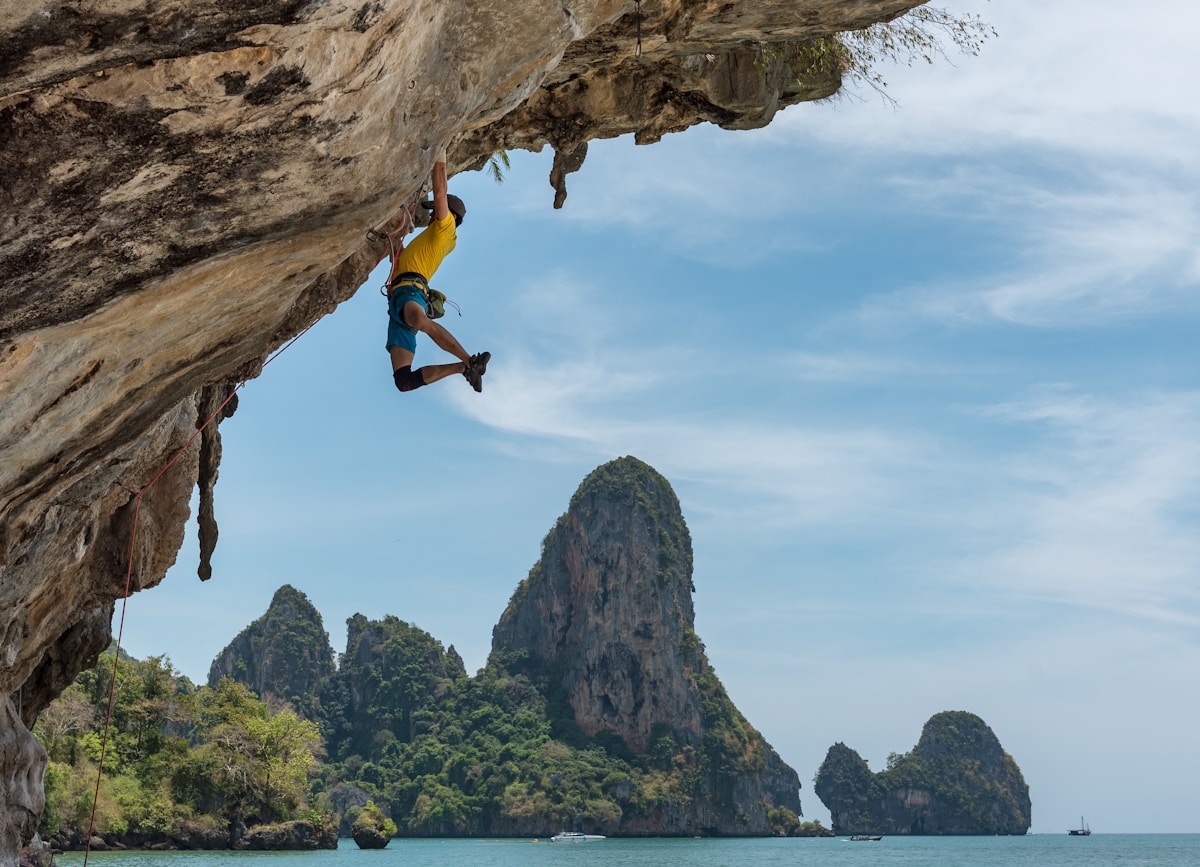
Climbing as a Pacing Mechanism
One of the strongest arguments from the community is that climbing serves as a vital “palate cleanser” for the gameplay loop. In high-octane action games, constant combat can become exhausting. Climbing sections force the player to slow down, breathe, and actually look at the world around them.
As one Redditor pointed out, without these slower, vertical moments, many 3D environments would just be endless corridors. The act of ascending gives you a sense of scale that sprinting on flat ground never could. Reaching the peak of a mountain in Death Stranding or Skyrim feels earned because you had to struggle against gravity to get there. If you could just jetpack to the top instantly, the view wouldn’t look nearly as sweet.
The “Yellow Paint” vs. The Stamina Bar
The hatred for climbing usually stems from automation. In games like Uncharted or modern Assassin’s Creed, it’s often impossible to fail. You just push a direction, and the character magnetizes to the next ledge. This removes player agency, turning the game into a movie you’re slightly nudging along.
However, games that gamify the climb are universally praised. The thread highlights two distinct styles that work:
- The Stamina Puzzle (Breath of the Wild): You aren’t just holding forward; you are managing a resource. Can I make it to that ledge before my stamina runs out? Should I rest here? This turns every cliff face into a strategic calculation.
- The Tactile Climb (Jusant / Grow Home): These games map the character’s hands to the triggers (L2/R2). You have to physically grip each hold. This rhythmic, deliberate movement connects your brain to the character’s physical struggle, making the climb the core gameplay loop rather than a distraction.

Risk and Reward
Good climbing mechanics introduce danger. In Dark Souls or Elden Ring, traversing narrow beams or ladders is terrifying because one slip means death. Even in Jusant, which is a cozy game, the fear of falling and losing progress adds a layer of tension that keeps you focused.
When a game removes the risk (by making you stick to walls like Spider-Man with zero effort), it removes the thrill. The “Unpopular Opinion” isn’t defending boring, automated climbing; it’s defending climbing that demands your attention.
The Verdict
So, is climbing good? It depends entirely on the implementation. If it’s just a slow elevator ride disguised as parkour, players have every right to be annoyed. But when it’s a tactile, strategic battle against the environment, it transforms a game world from a flat map into a three-dimensional playground.

FAQs
What games have the best climbing mechanics?
Games often cited for top-tier climbing include Jusant, The Legend of Zelda: Breath of the Wild, Grow Home, and Death Stranding.
Why do people hate “yellow paint” in games?
Players argue that bright yellow paint marking climbable ledges breaks immersion and insults the player’s intelligence by making the path too obvious, removing the joy of exploration.
Does climbing add to gameplay time artificially?
In some cases, yes. Developers may use slow shimmying sections to hide loading screens or pad out the length of a level, which contributes to the negative reputation of the mechanic.
What is “tactile climbing”?
Tactile climbing refers to control schemes where the player must manually control the character’s limbs (usually with triggers) to grab holds, rather than just pushing the analog stick forward.
Is climbing in Assassin’s Creed considered good?
It is divisive. Older titles (AC 1-Unity) are praised for having “parkour puzzles” where input mattered, while newer RPG-style entries are often criticized for being too automated and safe.
Conclusion
Perhaps the “opinion” isn’t so unpopular after all. Gamers don’t hate climbing; they hate being bored. When developers respect our time and give us mechanics that require skill and thought, we’ll happily scale the highest peaks they can build. Until then, we’ll just keep complaining about the yellow paint.