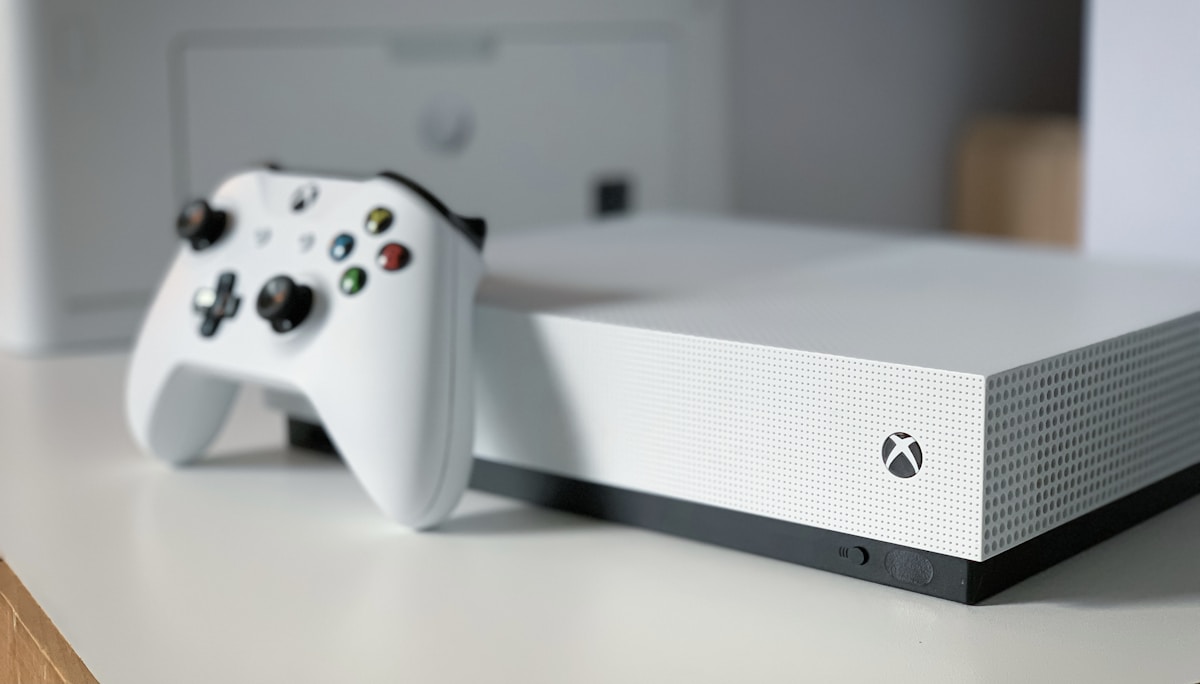
Xbox Series X and Series S consoles sold approximately 1.8 million units globally throughout 2025, falling behind even the original Nintendo Switch which launched in 2017 and still moved 3.4 million units this year. A CNBC report published December 21, 2025 details the catastrophic hardware numbers – Xbox hardware sales plummeted 70% year-over-year in November alone, compared to 40% drops for PS5 and just 10% for combined Switch and Switch 2 sales. This marks the worst November for console sales in 30 years according to research firm Circana, with Xbox bearing the brunt of the collapse.
But Microsoft insists this isn’t failure – it’s transformation. Xbox Game Pass reached 34 million subscribers in 2024 with nearly $5 billion in annual revenue, while cloud gaming hours surged 45% year-over-year. The company raised Game Pass Ultimate pricing from $19.99 to $29.99 in October 2025 despite subscriber backlash, and is reportedly testing ad-supported cloud gaming tiers. Former Halo franchise heading to PlayStation 5 for the first time signals Microsoft’s dramatic pivot away from exclusive content strategies toward multi-platform publishing backed by Activision Blizzard acquisition firepower.
The Brutal Numbers Nobody Can Ignore
VGChartz estimates place Xbox Series X/S lifetime sales at approximately 32.46 million units through 52 months on the market. For comparison, PlayStation 5 reached 74.15 million units in the same timeframe – a staggering 41.68 million unit gap. The PS5 commands 69.5% market share compared to Xbox’s 30.5%, and that gap widened by 3.2% year-over-year as Xbox continues bleeding market position to Sony’s console dominance.
The November 2025 collapse hit especially hard. Xbox hardware dollar sales dropped 70% compared to November 2024, while unit sales fell 29% from the previous year. This continues a multi-year downward trend – November 2023 saw over 20% declines from 2022, which was the last time Xbox posted year-over-year growth. Circana senior director Mat Piscatella confirmed to IGN that November 2025 represented the weakest console sales month in two decades.
Price increases contributed significantly to the disaster. Xbox raised prices across all Series consoles in September 2025 – $20 hikes for Series S, up to $70 increases for the 2TB Galaxy Special Edition. The average price per unit rose over 30% year-over-year according to Piscatella, pricing casual buyers out of the market during the crucial holiday shopping season. Former Microsoft executives criticized the confusing strategy, with ex-Blizzard president Mike Ybarra calling it \”death by a thousand cuts\” in a since-deleted October post.
Game Pass Growth Masks Hardware Failure
Microsoft’s defense centers on Game Pass subscription success offsetting hardware struggles. The service reached 34 million subscribers in 2024 generating nearly $5 billion in revenue over the fiscal year. Cloud gaming engagement particularly impressed – hours spent streaming games via Game Pass increased 45% year-over-year, with 45% of cloud gaming happening on consoles and 24% on other devices like phones, tablets, and laptops.
The subscription model fundamentally changes Xbox’s business calculations. Traditional console manufacturers profit through hardware sales and 30% cuts of all game purchases on their platforms. Microsoft instead sells Xbox consoles at a loss, subsidizing hardware purchases while hoping to recoup revenue through Game Pass subscriptions and game sales. This strategy makes sense when cloud gaming lets users access Xbox content without buying Xbox hardware at all.
The October 2025 price hike from $19.99 to $29.99 for Game Pass Ultimate represents a 50% increase that sparked subscriber backlash. Microsoft justified it by continuously expanding the library – the basic Essential tier (formerly Core) launched in 2023 with 36 games at $9.99 and now offers over 50 titles, while Ultimate members access 500+ games. The company is reportedly testing ad-supported tiers to attract users unwilling to pay premium prices, though analysts warn ad revenue may not offset cloud infrastructure costs.

The Exclusive Content Collapse
Xbox historically competed through exclusive games – Halo, Gears of War, and Forza kept players loyal to the platform. But Microsoft’s recent strategy abandons exclusivity entirely. Sarah Bond, Xbox president, told Mashable in a November interview that exclusive games are \”outdated\” as the company embraces cross-platform gaming. The upcoming Halo game launching on PlayStation 5 marks the first time this flagship franchise appears on competing hardware.
In 2024, Xbox opened four previously exclusive titles to rival platforms. Phil Spencer clarified this didn’t signal complete abandonment of exclusive strategy, but the company has continued bringing major exclusives to PlayStation and Nintendo. This pivot acknowledges reality – Xbox exclusives like Redfall and Starfield couldn’t compete commercially with PlayStation blockbusters like Marvel’s Spider-Man and God of War. Rather than fight losing exclusive battles, Microsoft is positioning itself as a publisher maximizing game sales across all platforms.
The Activision Blizzard acquisition for $69 billion accelerates this transformation. Microsoft now controls Call of Duty, World of Warcraft, Diablo, Overwatch, and Candy Crush – massive franchises generating billions annually across all platforms. Restricting these games to Xbox hardware would sacrifice enormous revenue from PlayStation and Nintendo players. Better to sell everywhere and use Game Pass as a value proposition rather than forcing exclusivity that alienates 70% of the console market.
The Console War Microsoft Already Lost
Microsoft admitted in June 2023 court documents during the Activision acquisition battle that Xbox \”lost the console wars\” years ago.
Whether this strategy succeeds depends on factors outside Xbox’s control – internet infrastructure improvements, consumer adoption of cloud gaming, Game Pass subscriber retention despite price increases, and whether gaming PCs replace dedicated consoles entirely.