Your Xbox Series X or S might be about to get more expensive, and you can thank artificial intelligence for it. According to tech leaker Moore’s Law Is Dead, Microsoft is warning retail partners that RAM shortages could force price increases or supply issues for Xbox Series consoles very soon. The reason? Microsoft apparently didn’t plan ahead for the AI industry vacuuming up the world’s memory chip supply.
In a new video, Moore’s Law Is Dead claims to have spoken with multiple contacts at memory manufacturers, retailers, and Microsoft partners who all paint the same picture. OpenAI’s massive memory deals with Samsung and SK Hynix are locking up enormous amounts of DRAM production capacity, leaving console makers scrambling for what’s left. Microsoft’s Xbox division is feeling the squeeze harder than its competitors.
The AI Industry Is Eating All the RAM
OpenAI signed deals with Samsung and SK Hynix in September 2025 that could lock in up to 900,000 DRAM wafers per month for the Stargate AI infrastructure project. Industry estimates suggest this could represent close to 40 percent of the world’s total DRAM output once fully ramped up. That’s an absolutely staggering amount of memory capacity redirected away from consumer electronics.
The problem goes deeper than just volume. AI data center GPUs use high-bandwidth memory built from the same DRAM wafers that go into the DDR5 and LPDDR chips used in gaming consoles, PCs, and smartphones. Memory manufacturers are prioritizing HBM production because the profit margins are much higher when selling in bulk to AI companies. Everything else has become collateral damage in the race to supply artificial intelligence infrastructure.
Samsung hiked memory chip prices by up to 60 percent in November 2025 as the shortage worsened. Contract pricing for the October to December quarter jumped 40 to 50 percent according to analyst estimates, well above the 30 percent industry average. PC builders are seeing retail DDR5 prices double or triple in just three months. One report noted that a 16GB stick of Corsair Vengeance RAM increased 300 percent in price since early September.
Microsoft Apparently Failed to Anticipate This
Moore’s Law Is Dead didn’t mince words about Microsoft’s planning. The leaker stated that Microsoft didn’t plan ahead at all for this situation. If you still want an Xbox at current pricing, you might want to act quickly. Multiple sources have warned that Microsoft sales representatives are telling partners this will affect Xbox Series consoles very soon, sooner rather than later.
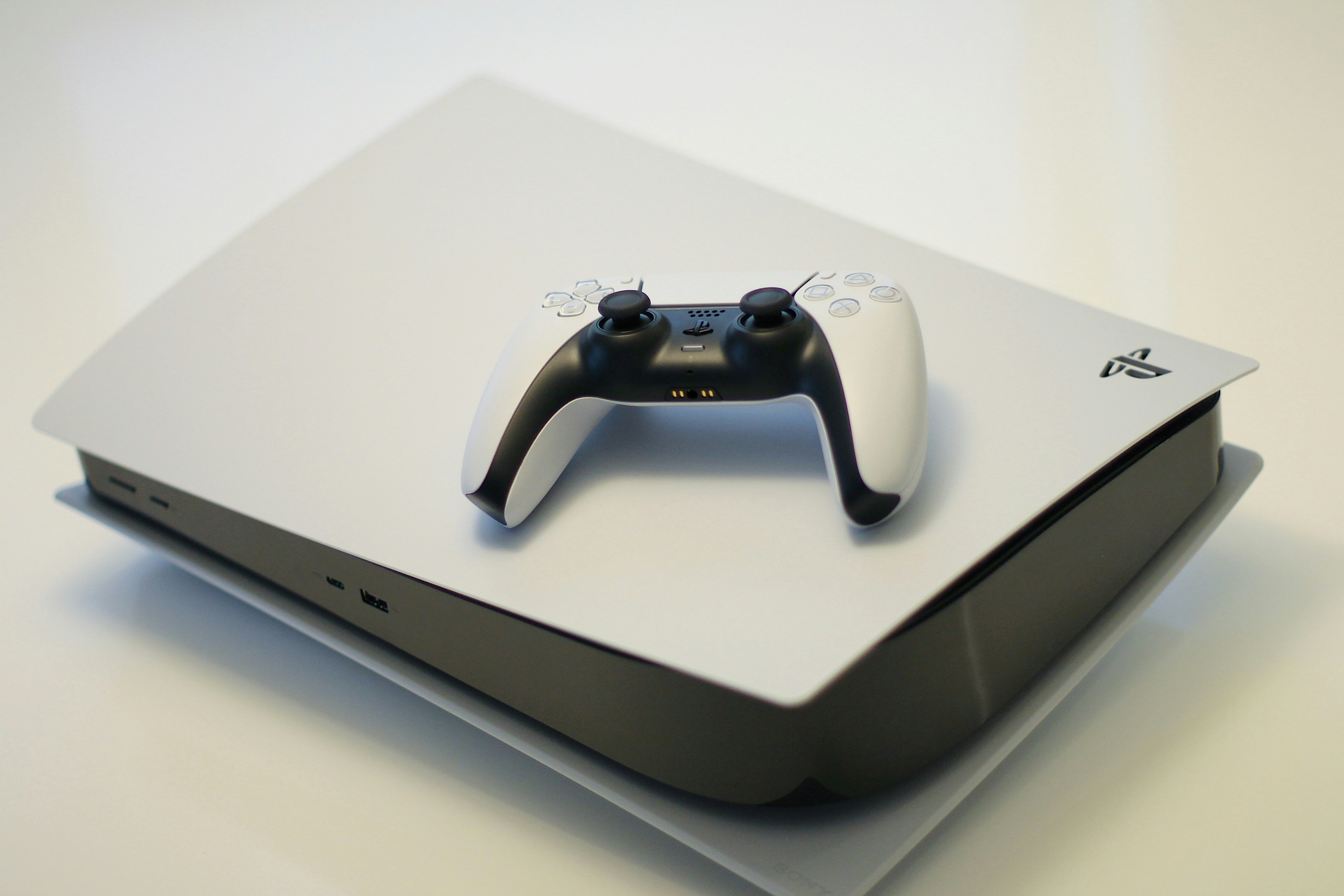
The contrast with Sony is notable. According to the same sources, PlayStation 5 consoles are not facing the same level of pressure from the RAM shortage, at least not in the short to mid term. Sony apparently secured their memory supply more effectively or has greater flexibility in their supply chain. The leaker suggests Sony can afford to ride out the shortage without immediate price increases or availability problems.

Why This Hits Xbox Harder
Several factors make Xbox particularly vulnerable to memory supply disruptions. The Xbox Series X uses 16GB of GDDR6 memory while the Series S uses 10GB, both drawing from the same constrained supply pool as PC graphics cards and other consumer electronics. Microsoft’s relatively smaller console market share compared to PlayStation means they have less purchasing leverage with memory suppliers when shortages hit.
The timing couldn’t be worse for Xbox. The brand has been struggling with market perception issues, multiplatform strategy debates, and questions about exclusive game lineups. Now they face the prospect of either raising prices on hardware that’s already losing the sales race to PlayStation, or accepting reduced availability that could further erode their console install base.
The Broader Industry Impact
Xbox isn’t the only victim of the AI-driven memory crunch. Smartphone manufacturers, automotive suppliers, medical equipment makers, and PC builders are all competing for limited DRAM supply. Asus and MSI reportedly stockpiled two months worth of memory inventory to get through 2025, but warned they’ll need to adjust prices starting in 2026 if the shortage continues.
Entry-level laptops and embedded systems face particularly tough challenges because their tight profit margins leave little room to absorb sudden memory cost increases. Automotive systems, medical imaging equipment, industrial controllers, and smart appliances all rely on commodity memory that’s suddenly become much more expensive and harder to source.
The question is whether this represents a temporary supply shock or a longer-term structural shift in the memory market. Historically, DRAM has been extremely cyclical with boom and bust patterns. Demand spikes, prices soar, manufacturers build new capacity, and a few years later the market drowns in oversupply. Some analysts argue the AI infrastructure buildout could stretch this into a multi-year supercycle because training and running large language models requires massive memory footprints that keep growing.

What This Means for Xbox’s Future
This news lands at an awkward time for Xbox leadership. Sarah Bond, Xbox president, recently told Fortune that hardware is absolutely core to everything they do at Xbox, and the team is working on a next-generation console that will deliver a powerful experience for players. In a separate interview with Mashable, she described the next Xbox as a very premium, very high-end curated experience, hinting at a PC-like hybrid system with Windows-style flexibility.
Those plans sound expensive. If Microsoft can’t secure affordable memory supply for their current generation consoles, how will they manage component costs for a premium next-generation system? The company has massive financial resources, but even Microsoft can’t manufacture DRAM wafers that don’t exist or outbid every AI company competing for the same limited supply.
The situation also raises questions about Xbox’s broader multiplatform strategy. If hardware availability and pricing become significant obstacles, it strengthens the case for Microsoft to focus more heavily on software distribution across PlayStation, Nintendo, and PC platforms where they don’t have to worry about manufacturing constraints.
FAQs
Why are Xbox console prices expected to increase?
According to Moore’s Law Is Dead, severe RAM shortages caused by AI industry demand are putting pressure on memory supply chains. Microsoft allegedly didn’t plan ahead for this shortage, and the company is warning partners that Xbox Series console prices may need to increase or availability could decrease soon.
How much DRAM capacity is OpenAI securing?
OpenAI’s deals with Samsung and SK Hynix could lock in up to 900,000 DRAM wafers per month for AI infrastructure projects, potentially representing close to 40 percent of the world’s total DRAM output when fully ramped up.
Is PlayStation 5 affected by the same RAM shortage?
According to the same sources cited by Moore’s Law Is Dead, Sony is not facing the same level of pressure from RAM shortages in the short to mid term. They apparently planned their memory supply chain more effectively than Microsoft did for Xbox.
How much have RAM prices increased recently?
Samsung increased memory chip prices by up to 60 percent in November 2025. Retail PC RAM prices have doubled or tripled in some cases, with some DDR5 modules seeing 300 percent price increases since early September 2025.
When might Xbox price increases happen?
Moore’s Law Is Dead suggests the impact will hit Xbox Series consoles very soon, sooner rather than later. Microsoft sales representatives have allegedly warned retail partners about imminent supply or pricing issues, though no specific timeline has been confirmed.
Who is Moore’s Law Is Dead?
Moore’s Law Is Dead is a tech-focused YouTube channel and leaker who reports on semiconductor industry news and hardware rumors. The channel claims to have sources at memory manufacturers, retailers, and technology partners, though these claims should be taken with appropriate skepticism until officially confirmed.
What other products are affected by the DRAM shortage?
The shortage impacts smartphones, laptops, automotive systems, medical equipment, graphics cards, and virtually any electronic device using modern memory chips. PC manufacturers like Asus and MSI have warned about potential price adjustments starting in 2026.
Conclusion
The AI boom is creating unexpected casualties across the tech industry, and Xbox may become one of the most visible victims. If Moore’s Law Is Dead’s sources are accurate, Microsoft’s apparent failure to anticipate and plan for AI-driven memory shortages could result in higher console prices or reduced availability at the worst possible time for the Xbox brand. Whether this represents a temporary supply shock or a longer structural shift in the memory market remains to be seen, but one thing is clear: the race to build AI infrastructure is reshaping supply chains in ways that reach far beyond data centers. For Xbox fans hoping to buy a console at current prices, the message is simple: don’t wait too long to make your purchase.