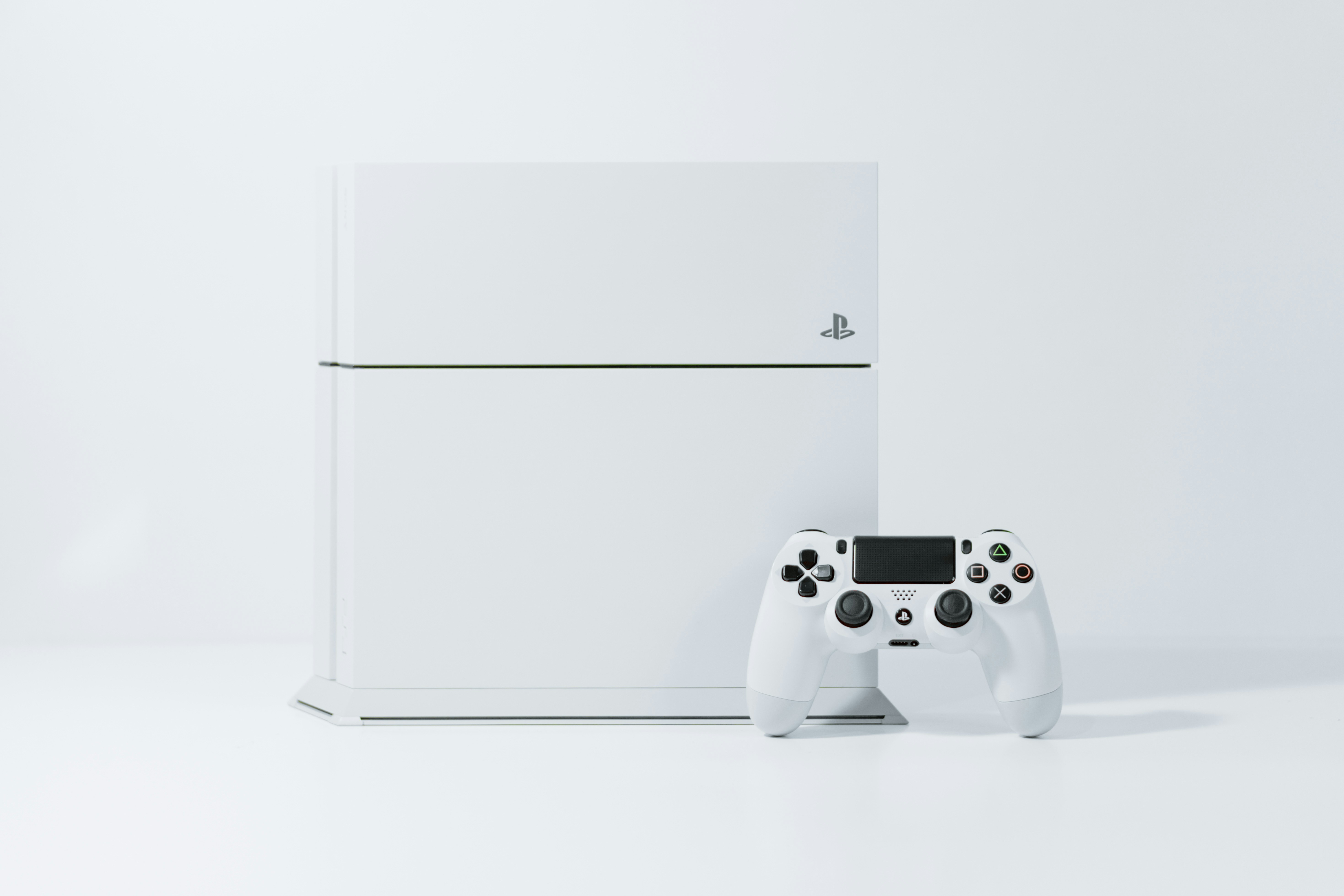
The PS5 Pro just hit its lowest price ever at $649 during Cyber Monday sales, and the tech industry has reached a point so absurd that Sony’s premium gaming console now costs less than 64GB of DDR5 RAM. This isn’t a pricing trick or clever marketing. Computer memory has become so expensive due to AI demand that a complete gaming system with advanced graphics processing costs less than a single RAM component.
Sony slashed $100 off the PS5 Pro for Black Friday and Cyber Monday, bringing the price down from $750 to $649 at retailers including Amazon, Best Buy, Target, and PlayStation Direct. What makes this particularly notable is that Sony raised the PS5 Pro price from its original $699 launch price to $750 earlier in 2025, citing a changing economic market. This discount not only reverses that increase but drops the console $50 below its 2024 launch price.
The Sale That Breaks Tradition
Something unusual is happening with this year’s PlayStation discounts. Typically, console sales end right after Cyber Monday as retailers shift strategies to capture desperate last-minute holiday shoppers willing to pay full price. Not this year. Multiple retailers are extending the $100 discount on PS5 consoles including the Pro through December 24, 2025, giving buyers nearly a month of sale pricing.
Best Buy, Target, and the PlayStation Store all confirmed the extended timeline, though stock availability varies by location. The standard PS5 disc edition dropped to $449, the digital edition sits at $399, and the Pro holds at $649. Only the limited edition Fortnite bundle remains excluded from discounts, maintaining its premium pricing throughout the holiday season.
This extended sale window suggests Sony has inventory it needs to move and confidence that component costs won’t force immediate price adjustments. That confidence comes from some clever advance planning that competitors apparently missed.
How RAM Got More Expensive Than Consoles
The DDR5 RAM market has spiraled into chaos. A 64GB kit that cost around $150 in mid-2025 now sells for $599 to $650, with some premium kits breaking $700. That means you can buy an entire PS5 Pro with eight-core CPU, custom GPU, and 16GB of GDDR6 memory for less than just the RAM upgrade for a gaming PC.
The culprit is artificial intelligence. OpenAI and other tech giants signed massive long-term contracts with Samsung and SK Hynix that locked up an estimated 40% of the world’s total DRAM supply. Every other manufacturer from console makers to smartphone companies to automotive suppliers is now fighting over the remaining 60%, and panic buying drove prices through the roof.
Memory prices increased between 120% and 200% compared to earlier in 2025, with high-end kits like G.Skill DDR5-6000 jumping 138% in just two months. Team Group’s general manager warned the crisis is only beginning and expects conditions to worsen through 2026. Even DDR4 memory saw price increases of 50% to 70% as manufacturers reassign production capacity to meet DDR5 demand.

Why Sony Avoided the RAM Crisis
According to hardware leaker Moore’s Law Is Dead, Sony saw this crisis coming and stockpiled GDDR6 RAM while prices remained low. This advance planning shields PlayStation consoles from immediate component shortages and gives Sony flexibility to actually reduce prices during Black Friday and Cyber Monday instead of raising them like competitors.
Microsoft apparently didn’t show the same foresight. The Xbox Series X already costs as much as $800 for certain configurations, making it the most expensive console on the market. Reports suggest Microsoft has started warning partners about additional price increases coming due to component costs, with no Black Friday discounts announced for their premium console.
Sony’s strategic stockpiling isn’t permanent protection. If memory prices don’t stabilize, PlayStation could face similar pressure in future. But for now, the company positioned itself to weather the shortage while competitors struggle with supply chain constraints and rising manufacturing costs.
What This Means for PC Builders
Building a gaming PC in late 2025 has become significantly more expensive, and the situation might get worse before improving. Graphics card prices are finally stabilizing after years of crypto-mining and pandemic-driven inflation, but now memory costs are spiking just as GPU prices return to earth.
A gaming PC that would have cost $1,200 to build in mid-2025 now easily exceeds $1,500 purely due to RAM price increases. High-performance DDR5 kits that serve as the sweet spot for gaming rigs saw some of the steepest increases, with popular 32GB configurations jumping from around $140 to $265 in two months.
Black Friday 2025 offered little relief for memory shoppers. Unlike previous years where RAM saw aggressive holiday discounts, this year’s sales featured minimal price cuts on DDR5 modules. Retailers simply don’t discount products experiencing supply shortages, leaving PC builders with few options beyond paying inflated prices or delaying builds.
Console Gaming Value Proposition
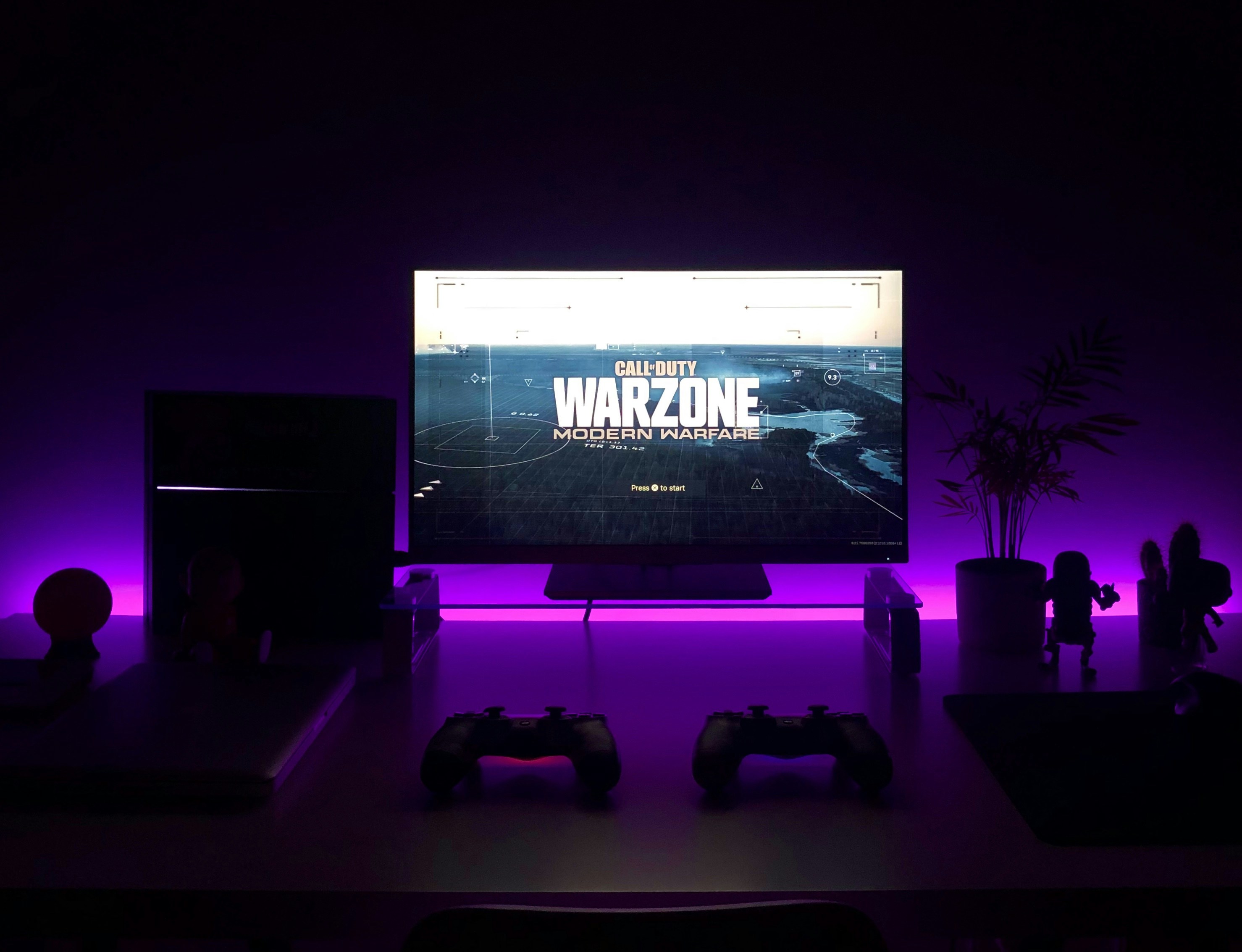
The memory crisis has inadvertently strengthened the value argument for console gaming. When a PS5 Pro at $649 delivers 4K gaming with ray tracing and costs less than just the RAM for an equivalent PC, the pricing dynamics shift dramatically in Sony’s favor.
Even with the rumored Steam Machine from Valve expected to launch at $700 to $800 with reportedly weaker specs than the PS5 Pro, Sony’s console looks increasingly competitive. The regular PS5 selling out completely during Black Friday sales demonstrates high demand for affordable gaming solutions while PC component prices skyrocket.
This doesn’t mean PC gaming loses its advantages. Customization, backwards compatibility, mods, and flexibility still matter to enthusiasts. But for mainstream gamers comparing value propositions, the current market makes consoles particularly attractive. You get a complete system, guaranteed game compatibility, no driver headaches, and a price point significantly below equivalent PC builds.
India and International Pricing
PlayStation India’s Black Friday sale runs from November 21 through December 4, 2025, with different discount structures than North American markets. The PS5 Slim disc edition dropped to Rs 49,990 from Rs 54,990, while the digital edition sits at Rs 44,990 from Rs 49,990. Both see Rs 5,000 discounts rather than the $100 cuts in US markets.
Indian buyers also get substantial accessory discounts. DualSense controllers across all color variants dropped Rs 2,000 to Rs 4,390, while premium metallic variants sell for Rs 4,849. The PlayStation VR2 headset saw the steepest cut at Rs 10,000, now priced at Rs 34,999 from Rs 44,999.
UK buyers found different deals with the PS5 Pro dropping to £565 at EE, and the PlayStation Portal hitting its lowest price at £175. Regional pricing varies based on local market conditions, import duties, and currency exchange rates, but the global trend shows Sony pushing aggressive discounts across markets.
FAQs
How much is the PS5 Pro during Cyber Monday 2025?
The PS5 Pro is $649 during Cyber Monday sales, reduced from $750. This represents a $100 discount and is the lowest price the console has ever been since launching at $699 in 2024.
How long does the PS5 Pro Cyber Monday sale last?
While Cyber Monday technically ends December 1, 2025, multiple retailers including Best Buy, Target, and PlayStation Direct are extending the $100 discount through December 24, 2025, giving buyers nearly a month of sale pricing.
Why is DDR5 RAM more expensive than a PS5 Pro?
AI companies like OpenAI signed massive contracts that locked up approximately 40% of global DRAM supply. This created a shortage that drove DDR5 RAM prices up between 120% and 200%, making 64GB kits cost $599 to $650 or more.
Did Sony stockpile RAM to avoid price increases?
According to hardware leaker Moore’s Law Is Dead, Sony purchased large quantities of GDDR6 RAM while prices were low, shielding PlayStation consoles from immediate shortages and allowing the company to offer discounts instead of raising prices.
Will RAM prices come back down?
Experts don’t expect significant relief before mid to late 2026. Production capacity expansions take time, and AI demand continues growing. Memory manufacturers warn the crisis is only beginning and may worsen before improving.
Is the PS5 Pro worth buying at $649?
At $649, the PS5 Pro offers strong value compared to building an equivalent gaming PC. With RAM and other component prices skyrocketing, the console delivers 4K gaming with ray tracing for less than just the memory upgrade in a comparable computer.
Are other PS5 models on sale?
Yes. The PS5 disc edition dropped to $449, and the digital edition sits at $399 during the sale period. Both represent $100 discounts from regular pricing and are available at major retailers through December 24, 2025.
Why is the Xbox Series X more expensive than PS5 Pro?
The Xbox Series X costs up to $800 for certain configurations because Microsoft reportedly didn’t stockpile components before prices spiked. The company has warned partners about potential additional price increases with no Black Friday discounts announced.
Conclusion
When a complete gaming console costs less than a single computer component, the tech industry has reached peak absurdity. The PS5 Pro at $649 represents genuine value not because Sony suddenly became generous, but because AI-driven demand broke the computer memory market so thoroughly that consoles look cheap by comparison. Sony’s advance planning to stockpile RAM protected PlayStation from the component crisis while competitors scramble to manage rising costs and supply constraints. For anyone considering a gaming upgrade, the extended sale through Christmas Eve offers an unusual opportunity where console gaming delivers more performance per dollar than it has in years. The memory shortage probably won’t resolve quickly, and experts warn conditions may worsen through 2026, so this pricing dynamic could persist longer than typical holiday sales. Whether you’re a longtime PC enthusiast or console gamer, the current market makes one thing clear – sometimes the complete package beats custom building, especially when individual components cost more than entire systems.