Riot Games announced on December 4, 2025 that 2XKO, their free-to-play 2v2 tag-team fighting game set in the League of Legends universe, launches on PlayStation 5 and Xbox Series X and S in January 2026. The console release arrives roughly three months after the game entered early access on PC in October, and coincides with Season 1 launching across all platforms simultaneously. Console players will gain access to unlocked content including champions, skins, mastery rewards, and more regardless of platform, with catch-up mechanics helping them earn content from the PC early access period. The announcement caps nearly six years of development since the game was first revealed as Project L in 2019 following Riot’s acquisition of Radiant Entertainment, the studio behind the fighting game Rising Thunder.
What Is 2XKO
2XKO is a 2v2 tag-team fighting game featuring iconic characters from League of Legends competing in fast-paced combat with technically proficient yet approachable mechanics inherited from Rising Thunder’s design philosophy. The game currently includes 12 officially announced characters in its playable roster, with players able to swap between two fighters mid-combo to extend offense, create pressure, or escape dangerous situations. Ranked, Casual, and Private lobbies let players compete, spectate, or experiment with mechanics, while best-in-class rollback netcode and anti-cheat systems deliver fair, lag-free gameplay.
The tag-team format distinguishes 2XKO from traditional 1v1 fighting games like Street Fighter or Tekken, creating strategic depth around character synergies, assist timing, and resource management across two fighters rather than mastering a single character. Players must consider not just individual matchups but how their team composition handles different threats, opening up substantially more complexity than single-character games while maintaining accessibility through simplified input commands inspired by Rising Thunder’s one-button special move system.
Season 1 and New Content
Season 1 begins in January 2026 alongside the console launch, introducing a new champion whose identity will be revealed at The Game Awards on December 11, plus extended progression systems across all platforms. The season brings Frame Perfect, a new competitive-themed skin line where Riot will donate a portion of proceeds directly to support tournament organizers and fund prize pools and production costs. This revenue-sharing model represents Riot’s commitment to building sustainable grassroots competitive infrastructure rather than keeping all cosmetic sales for themselves.
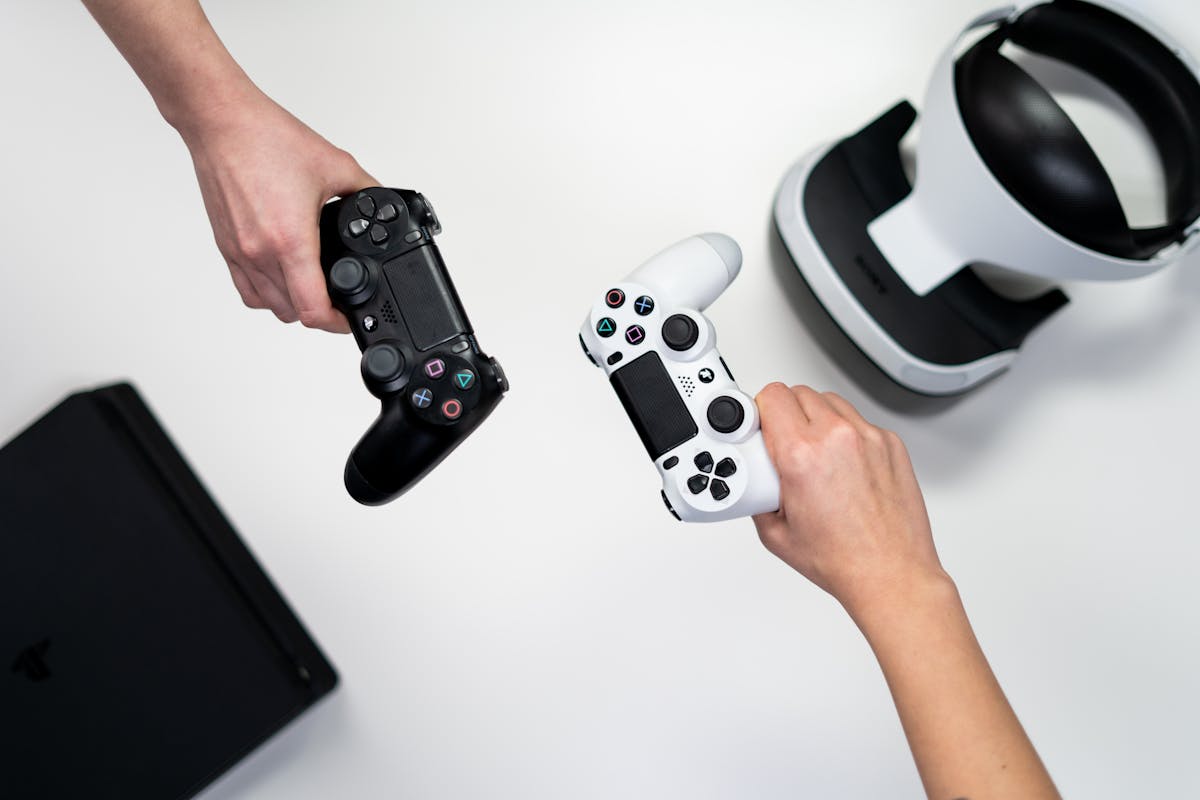
Cross-platform progression ensures console and PC players share the same account progression, champion unlocks, cosmetics, and mastery rewards without platform-specific restrictions. The catch-up mechanic for console players acknowledges that they missed the early access period on PC and provides accelerated progression so they can reach competitive parity faster. This approach prevents the fragmentation that plagues some fighting games where different platforms have wildly different metagames due to content disparities or update timing mismatches.
Community-Focused Esports Model
Rather than running proprietary professional leagues like League of Legends Championship Series, Riot announced the 2026 Competitive Series built in direct partnership with tournament organizers across the globe. The program includes 20 official Riot-sanctioned events including 5 Majors, with the first event kicking off January 29, 2026. Riot will support existing community tournaments by boosting funding, marketing, and prize pools instead of creating centralized top-down competitive infrastructure that requires massive ongoing investment.
This grassroots approach reflects lessons learned from the fighting game community, which has historically resisted publisher-controlled leagues in favor of community-run majors like EVO, Combo Breaker, and regional events with decades of history. By partnering with existing tournament organizers rather than replacing them, Riot signals respect for FGC traditions while providing financial backing that can elevate production quality and prize pools to levels community organizers couldn’t achieve independently. Whether this model succeeds long-term depends on whether Riot’s support creates sustainable growth or if tournaments become dependent on publisher funding that could disappear if 2XKO underperforms commercially.

The Six-Year Journey
2XKO began as Project L in 2019 after Riot acquired Radiant Entertainment in 2016. Radiant was developing Rising Thunder, a fighting game that simplified execution barriers by replacing complex joystick motions with one-button special moves, making competitive fighting more accessible without reducing strategic depth. Riot recognized that Rising Thunder’s design philosophy could translate League of Legends’ massive audience into the fighting game genre, where execution difficulty typically prevents casual players from enjoying competitive play.
The six-year development cycle reflects Riot’s commitment to getting the game right rather than rushing to market. Fighting games require meticulous balancing, netcode optimization, and community testing to ensure competitive integrity. The October 2024 PC early access launch allowed Riot to gather feedback, refine mechanics, and build a playerbase before committing to the January 2026 console release and Season 1 launch. This staged rollout reduces risk compared to simultaneous multiplatform releases where critical issues discovered post-launch affect everyone simultaneously.
Free-to-Play Fighting Game Landscape
2XKO enters a fighting game market where free-to-play titles have gained traction but haven’t dominated like in MOBAs or shooters. Games like MultiVersus, Brawlhalla, and Fighting EX Layer Another Dash prove free-to-play can work for fighting games, but traditional premium releases like Street Fighter 6, Tekken 8, and Mortal Kombat 1 still drive the competitive scene. Riot’s advantage is the massive League of Legends fanbase that might try 2XKO due to familiar characters even if they’ve never touched a fighting game before.
The monetization strategy focuses on cosmetics like skins and mastery rewards rather than locking gameplay-critical champions behind paywalls, mirroring League of Legends’ successful model. Players can unlock champions through gameplay progression without spending money, ensuring competitive integrity isn’t compromised by pay-to-win mechanics. This approach respects fighting game community values where character selection should reflect player skill and preference rather than wallet size.
FAQs
When does 2XKO release on consoles?
2XKO launches on PlayStation 5 and Xbox Series X and S in January 2026. No specific date within January has been announced yet. Wishlisting is available now on PlayStation Store and Microsoft Store.
Is 2XKO free-to-play on consoles?
Yes. 2XKO is completely free-to-play on PlayStation 5, Xbox Series X and S, and PC. The game monetizes through cosmetic purchases like skins and mastery rewards, not by locking champions behind paywalls.
What is 2XKO Season 1?
Season 1 launches in January 2026 alongside the console release, introducing a new champion (revealed at The Game Awards December 11), extended progression systems, and the Frame Perfect competitive skin line across all platforms.
Will console and PC players share progression?
Yes. 2XKO features cross-platform progression, so console and PC players share account progression, champion unlocks, cosmetics, and mastery rewards. Console players get catch-up mechanics to earn content from the PC early access period.
What was Project L?
Project L was the original codename for 2XKO when Riot first revealed the League of Legends fighting game in 2019. The project began after Riot acquired Radiant Entertainment, which was developing Rising Thunder, in 2016.
How will 2XKO esports work?
Riot is partnering directly with community tournament organizers rather than running proprietary leagues. The 2026 Competitive Series includes 20 official Riot-sanctioned events including 5 Majors, with the first event on January 29, 2026.
Is 2XKO coming to Nintendo Switch 2?
Not announced. Only PlayStation 5 and Xbox Series X and S versions have been confirmed for January 2026. A Switch 2 version is possible but would likely require optimization work and wouldn’t arrive until after the initial console launch.
Conclusion
2XKO’s January 2026 console launch represents the culmination of nearly six years of development transforming Project L from concept into a potentially competitive fighting game. Riot’s decision to embrace grassroots esports instead of forcing top-down leagues shows they learned from FGC culture and understand that publisher-controlled competition doesn’t resonate with fighting game fans the way it does for MOBAs or shooters. The free-to-play model, cross-platform progression, and community tournament support create favorable conditions for success, but 2XKO ultimately needs to deliver engaging gameplay that keeps players coming back long after the novelty of League characters fighting wears off. The January launch timing avoids the brutal spring fighting game season where Street Fighter, Tekken, and Mortal Kombat typically compete, giving 2XKO breathing room to establish its playerbase before facing direct competition from established franchises. Whether console players embrace a 2v2 tag fighter from a MOBA developer depends entirely on execution, but Riot has earned enough goodwill that fighting game fans are willing to give 2XKO a fair chance when it finally arrives on PlayStation and Xbox next month.