Xbox is in serious trouble. November 2025 delivered the worst month for Xbox console unit sales in U.S. history, with dollar sales plummeting 70 percent year-over-year according to Circana senior director Mat Piscatella. That’s not just a bad quarter. That’s a catastrophic collapse for what’s traditionally the biggest retail month of the year. While all console makers struggled during November 2025, with PS5 down 40 percent and even Switch 2 combined with Switch down 10 percent, Xbox’s crater stands out as particularly alarming. When even major day-one Game Pass releases like Call of Duty: Black Ops 7 can’t move hardware, something is fundamentally broken.
The Numbers Paint A Grim Picture
To understand how bad this is, look at the trend. From 2022 to 2023, Xbox Series sales in November dropped over 20 percent. From 2023 to 2024, they fell another 29 percent. Now in 2025, they’ve collapsed 70 percent. This isn’t gradual decline. It’s accelerating disaster. The last time Xbox had positive November growth was 2022, when sales were up 11 percent year-over-year from November 2021. Since then, it’s been straight downhill.
Piscatella notes that Xbox’s hardware sales peak, at least for November, happened way back in November 2011, with the second-highest November ever in 2014. We’re talking over a decade since Xbox last had a truly strong holiday shopping season. The Xbox 360 era represented the brand’s commercial zenith, and everything since has been managing decline with varying degrees of success. November 2025 represents the lowest point yet.
Price Hikes At The Worst Time
A major factor crushing Xbox sales is pricing. Piscatella points out that average price per unit rose over 30 percent year-over-year. That’s because Microsoft implemented multiple price increases in recent years, including massive hikes in September 2025 that affected all Xbox Series console types. Prices jumped from as little as $20 for Series S to as much as $70 for the Series X 2TB Galaxy Special Edition. These increases hit right before the crucial holiday shopping season.

Raising console prices during economic hardship shows either remarkable tone-deafness or desperation to improve profit margins regardless of sales impact. The U.S. economy struggled throughout 2025 with high consumer debt, persistent inflation, stagnant wages, few new jobs, and rising unemployment. When families worry about affording groceries, $500-600 game consoles become impossible luxuries. Microsoft chose this exact moment to make Xbox more expensive.
The Economy Crushed Hardware Sales
Xbox isn’t alone in suffering. November 2025 marked the worst month for hardware sales and physical software unit sales since 1995. Only 1.6 million units of video game hardware sold in the U.S. during November 2025, the lowest total since 1.4 million back in 1995. The average price of a new console reached an all-time November high of $439, up 11 percent compared to a year ago. Consumers simply couldn’t or wouldn’t pay these prices.
The Exclusives Problem
Beyond pricing, Xbox faces a self-inflicted wound through its multi-platform strategy. Microsoft has largely given up on console exclusives, bringing major titles to PlayStation and committing to day-one releases on PC via Game Pass. Why buy an Xbox when you can play the same games elsewhere, often with better performance on PlayStation 5 or customization options on PC? Xbox hardware has become optional for playing Xbox games.
Call of Duty: Black Ops 7 launched day-one on Game Pass in November 2025, supposedly a massive system-seller that would drive console adoption. It didn’t. The game topped sales charts but failed to move Xbox hardware. When even Call of Duty, the industry’s most reliable blockbuster franchise, can’t convince people to buy your console, what possibly could? Microsoft bet big on Game Pass and multiplatform releasing growing the Xbox ecosystem. Hardware sales suggest that bet isn’t paying off.
Nex Playground Outsold Xbox Hardware
Here’s the truly embarrassing stat. Nex Playground, a $250 motion-controlled gaming system, sold more hardware units than Xbox Series consoles in November 2025. Xbox only saved face by generating more dollar sales since Nex Playground retailed cheaper, often on sale for $200. When a Kinect-style family entertainment device outsells your flagship gaming console during the holidays, you’ve lost the plot completely.
For context, PS5 ranked number one for both unit and dollar sales in November 2025. Switch 2 landed at number two. Nex Playground came third in units sold. Xbox Series placed third in dollar sales but fourth in units, behind a motion-control toy. That’s not competition. That’s humiliation.
The Death Spiral Continues
Xbox Series X and S have now sold 33.88 million units in 60 months. The Xbox One sold 43.08 million units during the same timeframe. Xbox Series is tracking 24 percent behind Xbox One, a console widely considered a failure compared to the Xbox 360. At this rate, Xbox Series will end its lifecycle significantly below even Xbox One’s lifetime 57.96 million units. That would make it Microsoft’s worst-selling console generation ever.
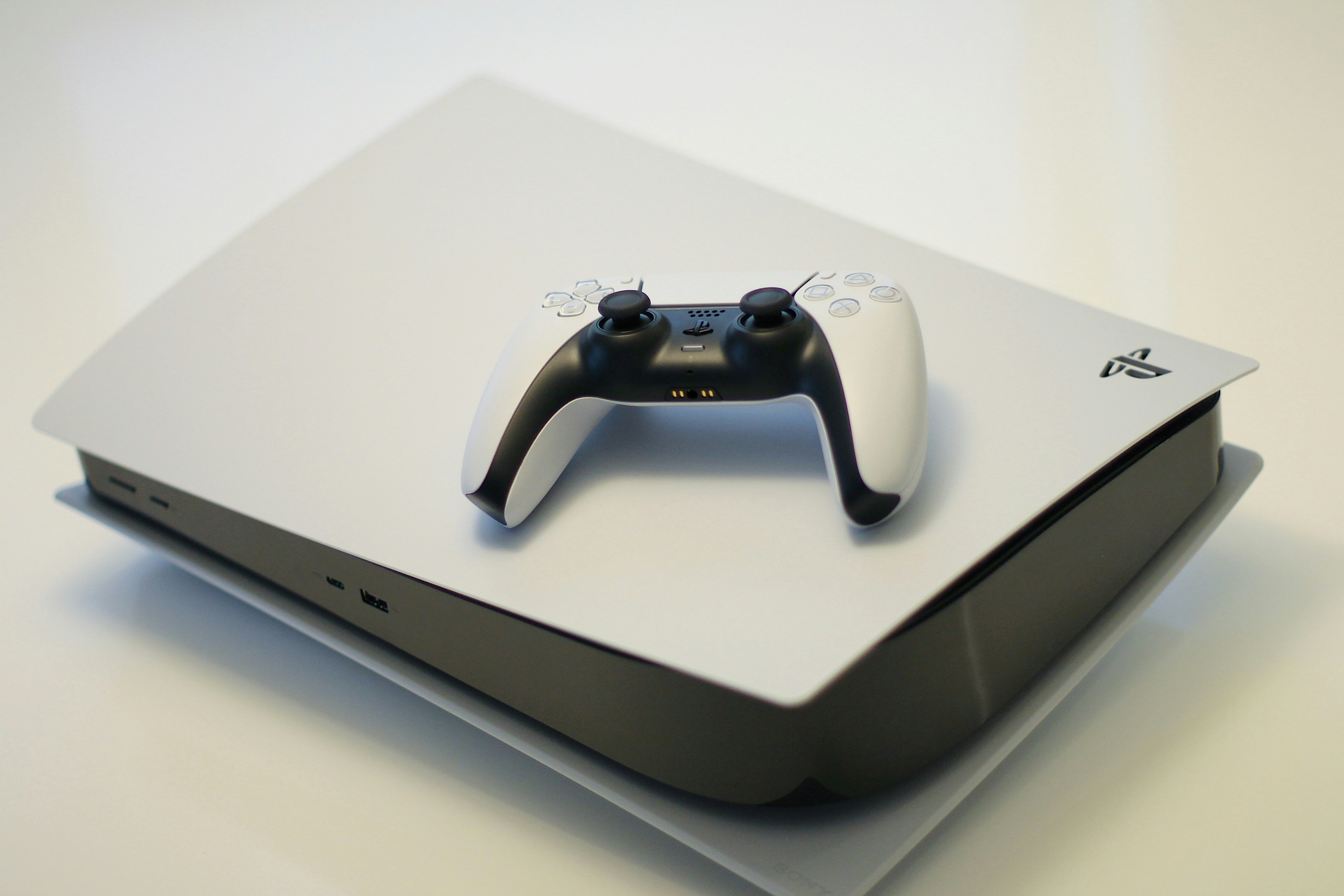
Meanwhile, PS5 continues dominating. Sony’s console has sold 84.2 million units and recently surpassed every Xbox console ever released combined in lifetime sales. The PS5 holds 70.1 percent market share compared to Xbox Series’ 29.9 percent, with that gap widening by 3 percent year-over-year. In the last 12 months alone, PlayStation 5 outsold Xbox Series by 14.12 million units. That’s not competition. That’s monopoly.
Microsoft’s Response: Xbox Everywhere
Microsoft isn’t stupid. They see these numbers and understand hardware isn’t working. That’s why the company pivoted to Xbox Everywhere, a strategy treating Xbox as a platform and service rather than a specific console. Bring games to PlayStation, Switch, and PC. Make Game Pass the subscription all gamers need regardless of device. Turn Xbox into something closer to Netflix than PlayStation.
Revenue from Xbox content and services increased one percent year-over-year despite the hardware collapse, showing some success with this approach. Game Pass subscriptions grew eight percent. People are engaging with Xbox games and services. They’re just not buying Xbox consoles to do it. Microsoft accepts this reality and is pivoting accordingly, recently teasing hybrid Xbox-PC devices that blur the line between console and gaming PC.
What’s Next For Xbox Hardware
Reports suggest Microsoft is developing a hybrid Xbox device combining console convenience with PC flexibility. This makes sense given current Xbox consoles offer nothing unique. If Xbox games are everywhere and Game Pass works on anything, why does Xbox hardware exist? A hybrid device that plays Xbox games but also functions as Windows PC with access to Steam, Epic, and other storefronts might differentiate enough to justify its existence.
But will consumers buy it? If they won’t spend $400-600 on traditional Xbox consoles, will they spend potentially more on experimental hybrid devices? The fundamental problem remains: Microsoft needs compelling reasons for people to buy Xbox-branded hardware when Xbox games are available elsewhere. Graphics and performance won’t cut it because PlayStation 5 Pro exists. Game Pass alone isn’t enough because subscriptions work on other devices. Backwards compatibility matters but isn’t a system-seller.
Can Xbox Hardware Recover?
Honestly, probably not in its current form. The Xbox Series generation appears over in terms of growth potential. Microsoft can iterate on existing hardware or release mid-gen upgrades, but nothing will reverse the sales trajectory. The brand damage is done. Consumers decided what they think of Xbox, and November 2025’s historic low represents that verdict rendered.
Future Xbox hardware might succeed if it offers genuine differentiation beyond just another box playing the same multiplatform games. The hybrid console-PC concept could work. Cloud-focused streaming devices at $99 might capture casual audiences. Handheld Xbox competing with Steam Deck and Switch would fill an obvious gap. But traditional consoles competing directly with PlayStation? That ship sailed, sank, and rotted on the ocean floor.
Frequently Asked Questions
How much did Xbox console sales drop in November 2025?
Dollar sales dropped 70 percent year-over-year, marking the worst November ever for Xbox console unit sales in U.S. history according to Circana data.
Why are Xbox sales falling so dramatically?
Multiple factors: repeated price hikes raising costs over 30 percent, lack of console exclusives as Microsoft goes multiplatform, poor economy with high inflation and unemployment, and strong PlayStation 5 competition.
Did other consoles also see sales drops?
Yes. PS5 sales were down 40 percent year-over-year, and Switch plus Switch 2 combined were down 10 percent. But Xbox’s 70 percent drop was significantly worse.
How do Xbox Series sales compare to Xbox One?
Xbox Series has sold 33.88 million units in 60 months compared to Xbox One’s 43.08 million during the same period. Series is tracking 24 percent behind Xbox One.
What is Microsoft doing about poor Xbox sales?
Pivoting to Xbox Everywhere strategy, bringing games to other platforms, focusing on Game Pass subscriptions, and developing hybrid console-PC devices rather than traditional consoles.
Will there be another traditional Xbox console?
Unclear. Microsoft is experimenting with hybrid devices and may move away from traditional console hardware given current sales trends and multiplatform strategy.
Did Call of Duty help Xbox sales?
No. Despite Call of Duty: Black Ops 7 launching day-one on Game Pass in November, Xbox hardware sales still hit all-time lows, suggesting even major franchises can’t move consoles.
Is Xbox going to stop making consoles?
Not announced, but the company is clearly de-emphasizing traditional hardware in favor of software, services, and alternative device formats. Future Xbox hardware will likely look very different.
The End Of An Era
November 2025 represents a watershed moment for Xbox. The days when Microsoft could compete with Sony and Nintendo on traditional console terms are over. The numbers don’t lie. A 70 percent year-over-year sales drop during the industry’s most important month isn’t a blip. It’s a eulogy. Xbox hardware in its current form is dying, and Microsoft knows it. That’s why they’re pivoting so aggressively toward multiplatform releases and Game Pass everywhere. It’s not abandoning console players. It’s acknowledging the market has moved on from Xbox-branded boxes sitting under televisions. The tragedy is how avoidable this was. If Microsoft had maintained strong first-party exclusives instead of going day-and-date multiplatform. If they’d kept prices competitive instead of hiking repeatedly during economic downturns. If they’d given consumers compelling reasons to choose Xbox over PlayStation or PC. But they didn’t. They made strategic decisions prioritizing short-term profit margins and Game Pass growth over hardware sales. Now they’re reaping what they sowed. The Xbox brand will survive. Game Pass will continue growing. But Xbox consoles as we know them? November 2025 might be remembered as the month they died. The hardware will exist for years to come, but the competitive spirit, the belief that Xbox can outsell PlayStation, the dream of dominating living rooms – that’s gone. Microsoft is pivoting to a future where Xbox is everywhere and nowhere, a platform without hardware, a brand without boxes. Maybe that’s the right call. But it sure feels like surrender.